A Thoughtful Guide to Patience
Patience is the most underrated virtue of the modern age. In a culture engineered for speed - instant messages, same-day delivery, infinite feeds - patience sounds like resignation, a virtue for the slow and the defeated. The truth is the opposite. Patience is one of the most demanding skills there is: active endurance, the capacity to wait well, to persist when results are slow, and to keep your response under control when everything in you wants to react. And it is disappearing, which is exactly why it is worth rebuilding.
This guide is a thoughtful attempt to say what patience actually is, why it is so hard now, and how to build it - because patience is not a fixed trait but a trainable capacity, and the training is available to everyone.
What Patience Really Is
Start with a definition that survives contact with real life. Patience is the capacity to wait, persist and respond calmly when things take longer than you would like - or when they go differently than you planned. Three elements are essential.
First, there is a gap between expectation and reality. The project takes longer than planned. The child is slower than you hoped. The healing takes more time than the timeline suggested. The gap is where patience begins; without a gap, there is nothing to be patient about. Second, there is discomfort. The gap feels bad - frustration, urgency, the itch to escape it, speed it up or blame someone. Third, there is a choice: to endure the gap with your response under control, or to react - to snap, to rush, to quit, to take it out on whoever is nearby.
This definition does useful work immediately. It separates patience from passivity: the passive person has given up and stopped doing the right thing; the patient person is actively holding the course while waiting. It separates patience from suppression: suppression buries the frustration and leaks out sideways; patience notices the frustration and chooses a response to it. And it separates patience from slowness for its own sake: patience is the right pace for the thing being done, which is often faster than the impatient alternative, because the impatient version usually has to be redone.
Why Patience Is So Hard Now
It is worth being honest about why patience is harder now than it was for previous generations, because the diagnosis shapes the treatment. The modern environment is engineered against patience. Every app, feed and notification is designed to deliver an immediate reward, and the cumulative effect is a trained expectation: things should happen now. The person who feels impatient is not morally failing; they are responding exactly as their environment has trained them to respond.
This is also why patience is a skill rather than a character verdict. If impatience is a trained response to an environment built for speed, then patience can be retrained - by changing the environment, managing expectations, and practicing the pause. The research on self-regulation supports this: the capacity to wait is trainable, and it is built the way any skill is built, through practice and graduated challenge.
There is a second reason patience is hard: the culture confuses patience with passivity. The patient person is imagined as the one who accepts everything, who never pushes, who lets life happen to them. This caricature makes patience feel like a surrender, so ambitious people reject it. The correction is that patience is active: the patient person is working hard, but they are working on the right timeline, with the response under control, and they are not wasting energy on the part of the outcome they cannot control.
The Building Blocks of Patience
Patience is built from a few related capacities, and naming them helps you see what you are actually training.
The Pause
The most fundamental patience skill is the pause - the gap between stimulus and response. The pause is where choice lives: the moment between the provocation and the reaction is the moment you decide how to respond. The practice is simple and profound: when you feel the surge of impatience, take one breath before responding. The breath creates the gap; the gap creates the choice. The pause is the smallest patience practice, and it is the one that everything else builds on.
Expectation Management
A large part of impatience is the gap between expectation and reality, and a large part of patience is managing the expectation. The project will take longer than planned - plan for it. The child will be slow - expect it. The healing will take time - schedule it. The patient person is not the one who never has expectations; they are the one whose expectations are calibrated to reality. Adjusting the expectation reduces the gap, and reducing the gap reduces the discomfort that drives impatience.
Reframing the Wait
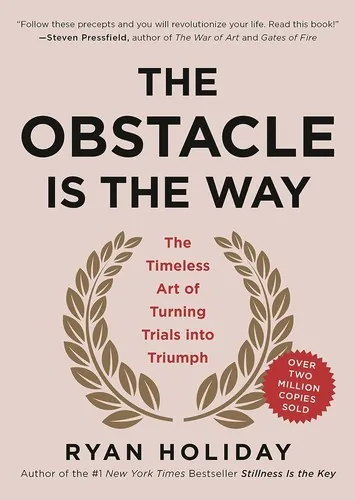
The third capacity is reframing - changing what the wait means. The slow line can be a forced pause in a busy day. The delayed project can be extra time to refine the work. The slow learner can be an opportunity to teach more deeply. Reframing does not deny the frustration; it changes the story around it, and the story determines how the wait feels. This is the practice the Stoics perfected: the obstacle is the way, and the wait is part of the work.
The Long View
The deepest patience capacity is the long view - the ability to hold a goal that will take years, and to keep working on it without the reward arriving on schedule. This is patience on the longest timeline, and it is the rarest and most valuable form. It is the patience of the parent raising a child, the writer writing a book, the gardener tending a tree. It is built the way all patience is built: by practice, in small doses, with the long view held in mind.
Patience in Daily Life
Most patience is practiced in small moments, and it is worth saying plainly what it looks like. It is the parent who pauses before responding to a child’s tantrum, and responds calmly instead of matching the volume. It is the professional who lets the colleague finish the sentence instead of interrupting with the answer. It is the driver who lets the slow car merge instead of accelerating to block it. It is the person in the slow line who uses the wait to breathe rather than to fume.
None of these are dramatic; all of them are practice. And the remarkable thing is that they compound: every calm response strengthens the capacity, and the person who practices small patience for years is the person who is patient when it counts - in the crisis, the loss, the long illness, the relationship that needs time to heal.
Patience and the Other Virtues
Patience does not exist in isolation; it supports and is supported by the other virtues. Patience and gratitude are closely linked: the grateful person attends to what is already good rather than what is missing, and that attention makes waiting feel like appreciation rather than endurance. Our thoughtful guide to gratitude explores this connection in depth, because the two virtues are two sides of the same attention - one turned toward what is present, the other toward what is coming.
Patience is also the virtue of learning, in every sense. The student learning a new skill, the reader working through a difficult book, the person acquiring knowledge over years: all of them are practicing patience. Learning is inherently slow - the brain consolidates on its own schedule - and the impatient learner skips the consolidation, which is why they forget. Our guide to knowledge and education explores how the patient approach to learning is the one that actually works.
And patience is the virtue of relationships. The people closest to you will test your patience more than anyone else, and the patient response - listening, waiting, repairing - is what holds relationships together over the long run. The impatient response, repeated, is what erodes them. Patience is the discipline of the long game in love and friendship, and it is the skill most worth practicing with the people you cannot replace.
Books That Support Patience
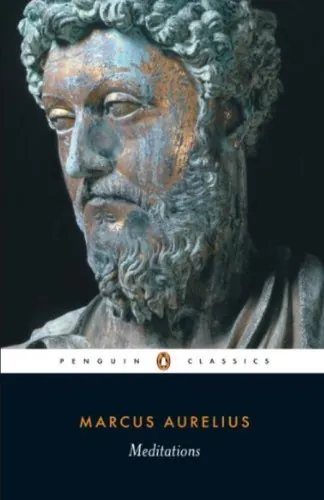
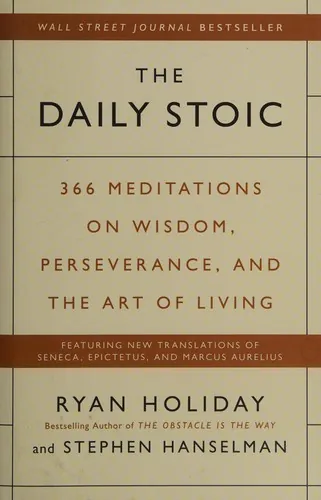
Reading accelerates the practice by giving you the framework and the daily practice. Marcus Aurelius’s Meditations is the foundation - the private notebook of a man practicing patience daily. The Daily Stoic by Ryan Holiday makes the Stoic tradition a daily practice. The Marshmallow Test by Walter Mischel supplies the science of self-control. Grit by Angela Duckworth supplies the research on long-term persistence. The Power of Patience by M. J. Ryan is the practical manual.
The rule for reading patience books is the same as for any practice book: read one, extract one practice, and test it for a month. The books supply the map; the testing is the territory. And because patience and gratitude are so closely connected, our gratitude reading list is the natural companion - the two virtues belong on the same shelf.
A Practice for Building Patience
If this guide has a practical core, it is this. First, notice the impatience. The next time you feel the surge - the irritation, the urgency, the desire to snap or rush - name it: “I am impatient.” Naming it creates the gap between the feeling and the reaction, and the gap is where the choice lives.
Second, pause. Take one breath before responding. The breath is the smallest patience practice, and it is the foundation of everything else. Third, adjust the expectation. Ask what is realistic here: how long should this actually take, and is my frustration based on a fair timeline? Fourth, reframe the wait. Ask what the wait is for, and what you can do with it - the pause in a busy day, the extra time to refine, the chance to attend to something you have been neglecting.
Fifth, practice deliberately. Find the small waits in your life and use them as training: the line, the delayed reply, the slow learner. Each calm response is a repetition, and repetition builds the capacity. Finally, log what you notice: what tested your patience, how you responded, what you would do differently. The log is the feedback loop that turns practice into progress. Our guide to meaningful patience for adults walks through how this practice fits the specific pressures of adult life.
Patience and Technology
No guide to patience written in this century can ignore the technology that makes patience harder, because the modern environment is engineered against waiting. The phone is designed to deliver instant rewards - the notification, the feed, the reply - and the cumulative effect is a trained expectation that everything should happen now. The person who feels impatient scrolling is not morally failing; they are responding exactly as their environment has trained them to respond.
This is also the hopeful part: if impatience is a trained response, it can be retrained. The practices are the same ones this guide has described, applied to the digital environment. The pause before checking the phone. The expectation calibrated - the reply will come when it comes, and the feed will still be there. The reframe - the wait for the reply is a moment of freedom from the inbox. And the environment design - notifications off, the phone in another room, the default choices set so that the patient choice is the easy choice.
The deeper point is that attention is the raw material of patience, and the technology is designed to capture attention. The person who can protect their attention from the devices is the person who can be patient - because patience is attention that is not being pulled in ten directions at once. The discipline of the digital environment is not a separate project from patience; it is patience applied to the modern condition.
Conclusion
Patience is not passivity and not suppression. It is active endurance - the capacity to wait, persist and respond calmly when things take longer than you would like, or go differently than you planned. It is hard because the modern environment is engineered against it, and it is trainable for exactly the same reason: what the environment has trained, practice can retrain.
Build it from the pause, from calibrated expectations, from reframed waits and from the long view. Practice it in the small moments of daily life, and let it compound. Read the books that supply the framework - Marcus Aurelius, The Daily Stoic, The Marshmallow Test - and test one practice at a time. Patience is one of the most demanding skills there is, and it is available to everyone - one breath, one calm response, one well-held wait at a time.
Frequently Asked Questions
What is the real definition of patience?
Why is patience so hard in modern life?
Is patience the same as suppressing your feelings?
How do I become more patient?
What is the difference between patience and giving up?
Can patience be practiced daily?
Featured Recommendations

Raining Book Editorial Team
The Raining Book editorial team curates the best book recommendations and reading guides for every type of reader.