Meaningful Character for Adults

In childhood, character is largely taught: honesty, sharing, responsibility, the basics of being a good person. In adulthood, the teaching stops and the testing begins. The tests are not the dramatic ones of fiction - no lifeboats, no final judgments, no moments of public heroism. They are the daily, unglamorous ones: the report that could be padded, the promise that could be quietly dropped, the apology that costs something, the hard conversation that would be easier to avoid. This is where character becomes meaningful, because the stakes are real people and real consequences.
This guide is about meaningful character for adults: what it looks like when the tests are daily, how it is built when the habits are already set, and why the work is worth doing even - especially - when no one is watching.
Why Adult Character Matters More
The phrase “character is what you do when no one is watching” is usually aimed at children. The truth is that it matters most for adults, because adults have more unobserved moments with more consequences. The report you file, the expense you claim, the promise you make to a child, the standard you hold in a negotiation: these happen largely in private, and their effects ripple outward for years.
Adult character also matters because adults are the models. Children learn the virtues less from lectures than from watching the adults in their lives practice them - or fail to. The parent who apologizes sincerely is teaching repair. The professional who reports the mistake is teaching integrity. The adult who keeps their word is teaching reliability. Your character is not only yours; it is the curriculum your children, colleagues and community are absorbing.
And there is a quieter reason: the second half of life asks harder questions. What am I for? Did I live the life I intended? These questions are character questions as much as meaning questions, and they cannot be answered with achievement. The people who answer them well are usually the ones who have been building character all along - who have practiced honesty, repair and responsibility until those became the shape of their lives.
What Adult Character Looks Like in Practice
Adult character is not abstract; it shows up in recognizable behaviors. It is the manager who delivers the bad news directly instead of letting it leak through silence. It is the friend who tells you the hard truth because they care more about your wellbeing than your comfort. It is the partner who says “I was wrong, and here is what I will do differently” - and then does it.
It is the professional who refuses the shortcut when the shortcut is invisible. It is the parent who apologizes to their child. It is the person who, when they could quietly blame circumstance, quietly takes responsibility instead. None of these are heroic; all of them are character. And the remarkable thing is that they compound: every honest moment makes the next one easier, and every repair rebuilds the trust that the previous mistake eroded.
The Core Virtues of Adult Life
Character is a cluster of related capacities, and adult life tests them in specific ways. Integrity is the foundation - the alignment of your actions with your values, the consistency of your word. Adult life is a long series of small integrity tests, and the pattern of your responses is your character. Honesty is integrity in speech - with others, and harder, with yourself. The adult version of self-honesty is the willingness to see your own motives clearly: the meeting you attend to seem busy, the help you offer to seem generous, the apology you make to close the conversation rather than repair the harm.
Courage is the capacity to act rightly when it is costly, and adulthood raises the cost. Speaking up at work, setting a boundary with a parent, ending a relationship that is not working, admitting fault when blame could be deflected: these are the adult courage tests, and our guide to meaningful courage for adults explores them in depth, because courage is the virtue that activates the others.
Patience and responsibility round out the set. Patience is tested daily by the people closest to you - the child who is slow, the partner who is tired, the colleague who is difficult. Responsibility is the willingness to own your actions and their consequences, which is the adult version of “being counted on.” Together, these virtues make up the character that adult life runs on.
How Adults Actually Build Character
The childhood method of character building - instruction, example and consequences - does not translate directly to adulthood. Adults need a different approach, and it has three parts.
The first is deliberate practice of the virtues in daily life. Choose one virtue and look for the small moments where it is available: the honest answer, the kept promise, the patient response. Practice it consciously for a month. The practice is not about achieving perfection; it is about building the habit of noticing the choice and making the better one. Over time, the conscious practice becomes automatic, which is exactly what character is.
The second is repair as a skill. Adults fail at the virtues regularly, and the character work is in what follows the failure. The repair sequence - admit the fault honestly, apologize without justification, make amends, and rebuild trust over time - is a skill like any other, and it can be practiced and improved. The adult who has mastered repair is not someone who never fails; they are someone whose failures do not compound.
The third is the deliberate choice of environment. Adults can choose their context in ways children cannot: the workplace that rewards integrity, the friendships that expect honesty, the communities that hold you accountable. Choosing the right environment is not outsourcing your character; it is recognizing that character is built in context, and that the context is partly your choice.
Character, Work and the Long Game
Adult life forces a confrontation between character and convenience, especially at work. The honest report can slow a project. The refusal to cut a corner can cost a promotion. The willingness to be seen as difficult can make you unpopular. In the short term, character can look like a disadvantage.
The long-term picture is different, and it is worth stating plainly: trust compounds, and character is the only reliable way to earn it. The professional known for honesty is trusted with more, offered more, forgiven more. The one known for cutting corners is trusted with less, watched more closely, and dropped when convenient. In a career measured in decades, character is not a luxury; it is the most durable asset you have.
This is also why character and integrity are inseparable from the work you choose. The person who does work that violates their values is paying a character tax every day. The person who aligns their work with their values is building character while earning a living. The alignment is rarely perfect, but the direction matters, and the question “does this work make me more or less the person I want to be?” is one of the most important character questions an adult can ask.
Character and Community
There is a final dimension of adult character that is easy to miss: character is practiced in community, and it cannot fully develop alone. The virtues exist only in contact with other people - honesty requires someone to be honest with, patience requires someone to try it, forgiveness requires someone to forgive. The adult who isolates themselves is not protecting their character; they are depriving it of its training ground.
This is why belonging matters to character. The communities we belong to - family, friends, work, faith communities, neighborhoods - are the arenas where character is tested and built. A good community does not merely expect character; it makes character possible, by providing the relationships in which the virtues can be practiced and the accountability that keeps practice honest. Our guide to community and belonging explores how these connections form and why they matter - because character and community are not two separate projects but one.
Books That Support Adult Character
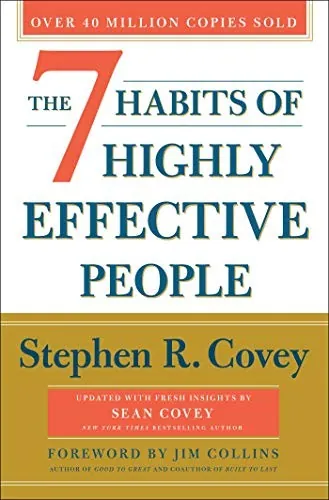
Reading supports the work without replacing it. Aristotle’s Nicomachean Ethics is the foundation - we become what we repeatedly do. The Road to Character by David Brooks contrasts the resume virtues with the eulogy virtues and asks the question adult life eventually forces: what are you for? The 7 Habits of Highly Effective People by Stephen Covey connects character to effectiveness. Meditations by Marcus Aurelius is the daily practice of a man auditing his own character.
The adult reading rule is: one book, one principle, one month of testing. The books give you the framework and the language; the testing in your actual life is where character is built. And because courage is so central to adult character, our courage reading list is the natural companion study.
The Character Audit
There is a practice that ties the adult character work together, and it is worth learning because it is the adult version of the childhood lesson: the character audit. Once a month, set aside an hour and review the previous month honestly. The questions are simple and uncomfortable. Where did I cut a corner? Where did I soften the truth? Where did I break a promise, small or large? Where did I avoid a conversation I should have had? Where did I blame circumstance for a choice that was mine?
The audit is not an exercise in self-flagellation; it is an exercise in accurate self-perception, which is the foundation of all character work. You cannot close a gap you refuse to see. The audit makes the gaps visible, and visible gaps are actionable.
The second part of the audit is forward-looking. Choose one virtue to strengthen in the coming month - honesty, patience, responsibility, courage - and identify the specific situations in your life where it will be tested. The situations are where the practice happens. The audit turns character from a vague aspiration into a monthly practice with a concrete focus.
The third part is the repair review. What failures from last month were repaired, and which are still outstanding? The outstanding repairs are the unfinished character work - the apology not yet made, the promise not yet kept, the conversation still avoided. The audit surfaces them, and the month that follows is the opportunity to complete them.
A character audit takes an hour a month, and it is the highest-leverage hour in the whole enterprise. It is the mechanism by which the books, the values and the intentions become behavior - because what gets measured, reviewed and named tends to improve, and what gets ignored tends to repeat.
A Starting Point for This Month
If you want to begin today, here is a practice that fits an adult life. First, run a short version of the character audit: write down three places from the last month where you cut a corner, softened the truth or avoided a conversation. No judgment - just the honest list. Second, choose one virtue to strengthen this month and name the situations where it will be tested: the report, the boundary, the hard conversation. Third, practice the smallest honest version of the right action this week - one honest sentence, one kept promise, one apology. Fourth, repair one outstanding failure from the list: the apology not yet made, the conversation still avoided. Finally, log the attempts weekly: what you did, what happened, what you will do differently. That is the whole practice: audit, choose, act small, repair, review. It is modest, it is monthly, and it is exactly how adult character is built - one honest month at a time.
Conclusion
Meaningful character for adults is not a return to childhood lessons; it is the deliberate, daily practice of integrity, honesty, courage, patience and responsibility in a life where the stakes are real. It is built in the unobserved moments - the honest report, the kept promise, the apology that costs something - and it compounds the way trust does.
The work is not dramatic and never finishes, and that is the point. Adult character is a direction, not a destination: the practice of becoming more reliable, more honest and more responsible than you were last year, in the actual life you are living. Start with one virtue, one month, one honest choice at a time. The person you are practicing to be is the one the people around you are already counting on - and the one you will be glad you became.
Frequently Asked Questions
Is it too late to build character as an adult?
How is adult character tested differently from childhood character?
What is the most meaningful character work for adults?
How do I know if my character is actually growing?
What character trait matters most in adult life?
Can character development and career success conflict?
Featured Recommendations




Raining Book Editorial Team
The Raining Book editorial team curates the best book recommendations and reading guides for every type of reader.