Patience: Themes, Values and Reading Notes
Read enough books about patience and the same patterns emerge, the way they do in any mature genre. The settings differ - ancient Rome, the research lab, the family kitchen - but the core claims keep returning: patience is active endurance, not passivity; it is built by practice, not given; it lives in the pause between stimulus and response; and it is closely tied to presence and gratitude. Naming those patterns is not an academic exercise. It is the difference between collecting patience books and building patience.
This guide maps the themes and values that run through the best patience books, and offers reading notes on how to turn them into daily practice rather than admiration.
The Core Themes of Patience Books
1. The Pause
The foundational theme of every patience book is the pause - the gap between stimulus and response. The Stoics built their whole practice on it: between what happens and how you respond, there is a space, and in that space lies your freedom. Modern psychology confirms the mechanism: the pause is where choice lives, and the person who can create the pause can choose the response.
The theme is practical from the first page: when you feel the surge of impatience, take one breath before responding. The breath creates the gap; the gap creates the choice. Every patience book, whatever its tradition, eventually arrives at this instruction - because it is the smallest unit of patience, and everything else is built on it.
2. Expectation Management
The second theme is that impatience is largely a gap between expectation and reality. The project takes longer than planned; the child is slower than hoped; the healing takes more time than the timeline promised. The gap produces the discomfort, and the discomfort drives the impatience.
The theme’s lesson is that patience is partly a matter of calibrated expectations. The patient person is not the one who never has expectations; they are the one whose expectations are calibrated to reality. Adjusting the expectation reduces the gap, and reducing the gap reduces the discomfort. This is the most underrated patience practice, because it is invisible - the expectation adjusted in advance, the timeline planned with margin, the schedule that assumes delays.
3. Reframing the Wait
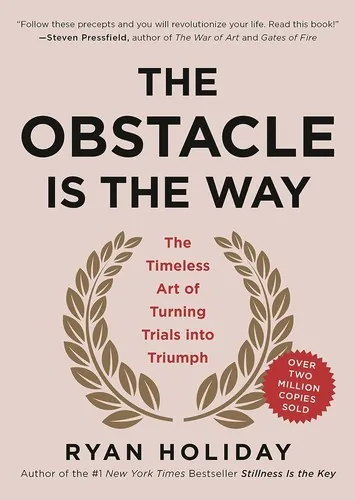
The third theme is reframing - changing what the wait means. The slow line becomes a forced pause in a busy day. The delayed project becomes extra time to refine. The slow learner becomes an opportunity to teach more deeply. The Stoics perfected this: the obstacle is the way, and the wait is part of the work.
Reframing does not deny the frustration; it changes the story around it, and the story determines how the wait feels. This is why the patience books connect so closely to the mindfulness tradition - both are practices of changing your relationship to experience rather than changing the experience itself.
4. The Long View
The fourth theme is patience on the longest timeline: the capacity to hold a goal that will take years and keep working without the reward arriving on schedule. This is the patience of the parent, the writer, the gardener, the builder. It is the rarest and most valuable form, and it is the one the modern environment most actively erodes.
The long view is built the way all patience is built: by practice, in small doses, with the horizon held in mind. Grit by Angela Duckworth is the modern study of this theme - passion and perseverance for long-term goals - and it confirms what the Stoics claimed: the capacity to persist over years is trainable, and it predicts achievement better than talent.
5. Patience and Presence
The deepest theme is the connection between patience and presence. Most impatience is a flight from the present - the mind refusing to accept that the wait is happening now, and the discomfort of that refusal. The patient person has made peace with the present; they are not fighting the now, and so the now stops fighting back.
The Power of Now by Eckhart Tolle is the fullest expression of this theme, and its central practice - returning attention to the present moment - is exactly the practice that patience requires. Impatience dissolves when you stop fighting the present and attend to it. This is also why patience and gratitude are so closely connected: both are disciplines of attention, one turned toward what is present, the other toward what is coming.
The Values at the Heart of Patience
Strip the themes down and a stable set of values remains. Calm is the first - the capacity to keep the response under control under pressure. Perseverance is patience’s active face - the willingness to keep going when the reward is delayed. Humility is the value that calibrates expectations - the honest acknowledgment that the world runs on its own schedule and you are not the exception. And gratitude is the value that transforms the wait - the attention to what is already good that makes waiting feel like appreciation rather than endurance.
These values explain why the patience genre connects so closely to the gratitude genre. Our gratitude reading notes explore the connection directly: the two virtues are two sides of the same attention, and the reader who studies them together gets a complete picture of the capacity. The grateful person is more patient; the patient person is more grateful.
Reading Notes: How to Read Patience Books
The patience genre has a specific hazard: it is easy to read about calm and feel calm, without becoming calmer. The following reading notes system is designed to close that gap.
First, read one chapter at a time and extract one patience practice. Not the quote to admire - the specific practice the chapter describes, translated into a command: “This week I will pause before responding when I feel the surge.”
Second, name the situations in your life where that practice is tested. The chapter on expectation management is abstract until you write down your actual tests: the project I keep underestimating, the child I keep rushing, the timeline I never build with margin. The situations are where the reading becomes real.
Third, keep a patience log. One line per day: what tested my patience, how I responded, what I would do differently. The log is the feedback loop that turns reading into practice, and it makes you honest with yourself about the actual pattern of your impatience.
Fourth, review monthly and reread annually. Patience books reward rereading because they are read differently at different stages. The book that was about the pause at thirty is, at fifty, about the long view - holding a decade-long horizon with grace. Our reading notes on gratitude themes use the same method, because the two genres are one conversation.
Choosing Books by Theme
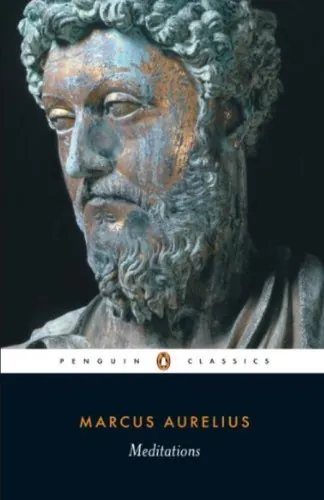
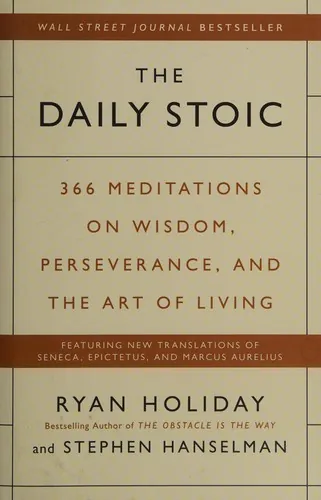
Knowing the themes makes book selection deliberate. If you need the daily practice: The Daily Stoic by Ryan Holiday and Stephen Hanselman. If you need the philosophical foundation: Meditations by Marcus Aurelius. If you need the science of self-control: The Marshmallow Test by Walter Mischel. If you need the long-term view: Grit by Angela Duckworth. If you need the practical manual: The Power of Patience by M. J. Ryan. If you need the inner work of presence: The Power of Now by Eckhart Tolle.
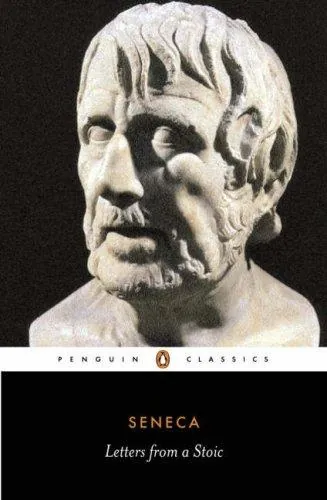
And if you want to see the themes working in a single tradition, the Stoics are the complete package - the pause, expectation management, reframing, the long view and the connection to presence, all in one daily practice. Reading the Stoics alongside the modern books shows you how little has changed in two thousand years.
The Friendship Connection
There is one more dimension of patience that is easy to miss when you read alone: patience is a relational virtue, and it is practiced most in friendship and loyalty. Friendships are long projects - they take years to build, and they are tested by the slow accumulation of small moments: the listening, the waiting, the patience with a friend’s flaws and seasons. The loyal friend is the patient friend - the one who can wait for a friend to grow, to heal, to come back.
Our notes on friendship and loyalty explore this dimension in depth. Patience is the temporal foundation of loyalty: loyalty is what patience becomes when it is directed at a person over years. The reader who studies patience and friendship together learns that the capacity to wait well is not only a personal skill; it is the infrastructure of every lasting relationship.
A Sample Reading Note
To make the method concrete, here is what a reading note on The Marshmallow Test might look like after a chapter on the strategies of self-control. The note has three parts: the mechanism, the application, and the log entry.
Mechanism: “Self-control is strategic, not heroic. The children who resisted were not stronger; they were better at not looking at the marshmallow - using distraction, reframing and distance to make the wait survivable.” Application: “My problem is the evening scroll. Concrete practice: when I feel the urge, I will stand up and stretch first, and I will keep the phone in the kitchen rather than the bedroom - distance as strategy.” Log: “Day 1: phone in kitchen, noticed the urge and stretched instead. Day 2: same, the urge was weaker. Day 3: caught myself reaching for the pocket where the phone used to be - noticed the habit is physical, not just digital. Day 4: read twelve pages instead of scrolling.”
The value of writing it this way is visible in the log. The mechanism is abstract until it is applied; the application is generic until it is logged; and the log is where the honest self-knowledge appears - in this case, the discovery that the habit has a physical component and that distance weakens it. That observation, written down, becomes the input for the next round of design.
This is the whole method in miniature: extract the mechanism, apply it to your specific life, log the results, and let the log inform the next iteration. A month of notes like this is worth more than a year of reading without them. The books supply the map; the notes are the territory you are actually walking.
The Family Dimension
There is one more dimension of the patience reading that is easy to miss when you read alone: patience is built and practiced in relationship, and families are the natural training ground. The family that reads a patience book together - or, better, practices the pause together - gets something the solo reader does not: a shared language for the capacity. “Let’s take a breath before we answer” becomes a family practice, not a private resolution.
The practical version is simple. Choose the family dinner round as the practice ground: each person names one wait they handled calmly this week, and one they did not. The naming builds the awareness; the awareness builds the capacity. The family that practices patience together is building it in everyone at once - the parents, who need it most, and the children, who will carry it into their own adult lives. The reading notes become shared notes, and the practice becomes the household’s.
Conclusion
The patience genre, for all its variety, keeps returning to five themes - the pause, expectation management, reframing the wait, the long view, and the connection between patience and presence - and to a stable set of values: calm, perseverance, humility and gratitude.
The reading notes that matter are the ones that turn these into practice: one patience practice per chapter, the situations where it is tested in your life, a daily log of calm responses, a monthly review. The books are the map, but patience is built in the practicing - in the small waits of daily life, handled calmly, logged and repeated until they compound. And the deepest insight of the whole genre is that patience is active endurance, not passivity - available to everyone, one pause, one breath, one well-held wait at a time.
Frequently Asked Questions
What are the main themes in patience books?
What values do patience books promote?
How do I take notes on a patience book?
What is the single biggest idea in patience books?
Why do patience and gratitude appear together so often?
How do I choose which patience book to read first?
Featured Recommendations

Raining Book Editorial Team
The Raining Book editorial team curates the best book recommendations and reading guides for every type of reader.