Books Like Little Women

Introduction: The Novel About Character, Not Plot
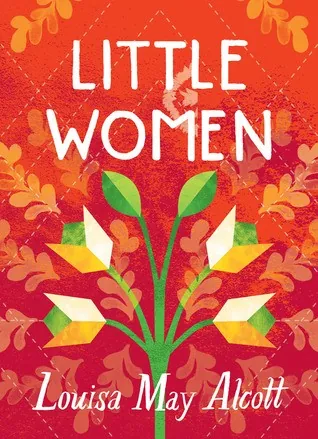
Little Women (1868) has one of the strangest plots in classic literature: essentially nothing happens. The March sisters - Meg, Jo, Beth and Amy - grow up in a modest Massachusetts home while their father is away in the Civil War, and the novel records their small struggles, their quarrels, their ambitions, their illnesses and their marriages. Generations of readers have found it one of the most absorbing books ever written, which tells you everything about what the novel is really about: not events, but people. It is a book about character - how it is formed, tested and revealed - and the books that resemble it are the ones that share that focus on family, sisterhood and the slow work of becoming oneself.
This guide gathers the strongest readalikes, from Alcott’s own sequels to modern novels of sisterhood, with honest content notes and a clear sense of what each shares with the original and where it differs.
The March Family Continues: Alcott’s Own Sequels
Readers who finish Little Women often do not realize the story continues, and Alcott’s own sequels are the natural first stop.
Little Men (1871) follows Jo, now married to Professor Bhaer, as she runs Plumfield, a school for boys built on her belief that children should be taught through affection and example rather than fear. It shares Little Women’s warmth and its faith in character, but the focus shifts from the four sisters to a group of boys, each with a distinct temperament and a lesson to learn. It is episodic - more a collection of incidents than a single story - and it is beloved by readers who love the March family enough to want more of their world.
Jo’s Boys (1886) completes the trilogy, following the Plumfield boys and the March daughters into adulthood. It is the most uneven of the three - Alcott was tired, and it shows in places - but it gives readers the satisfaction of seeing where everyone ends up, and its portrait of Jo as a middle-aged woman running a school and raising a family is quietly moving. It is the book to read when you want to know what happened to the Marches, and it is best approached as a farewell to beloved characters rather than a great novel in its own right.
The Classics That Share Little Women’s Heart
Anne of Green Gables by L. M. Montgomery (1908) is the readalike readers discover with the most delight. Anne Shirley has Jo March’s imagination, her quick tongue, her temper and her fierce ambition - she wants to be a writer too, and she is just as impatient with convention. The novel shares Little Women’s structure of small domestic incidents revealing character, and its warmth is identical, but it is a single heroine’s story rather than a family’s. Montgomery wrote several sequels, so readers who love Anne can follow her from childhood to motherhood, much as Alcott’s readers followed the Marches.
What Katy Did by Susan Coolidge (1872) is the forgotten classic that Little Women readers should know. Katy Carr is a headstrong twelve-year-old, the eldest of five children, who plans to be beautiful and good and admired - until a fall leaves her bedridden, and she must learn patience and humility. It was written directly in the wake of Little Women, and it shares the domestic setting, the sibling dynamics and the moral seriousness, with a sharper focus on suffering and recovery. It is clean and suitable for family reading, and it makes an excellent pairing with Alcott’s novel for the comparison it invites.
Eight Cousins by Louisa May Alcott (1875) is another Alcott novel and a favorite of readers who love the March family’s domestic world: an orphaned girl, Rose, is taken in by her many aunts and uncles and raised among eight boy cousins. It is lighter and more didactic than Little Women, but it has the same warmth and the same belief in character, and its portrait of a girl learning to be healthy, useful and kind is charming.
Modern Novels of Sisterhood and Family
The contemporary descendants of Little Women are the novels that keep its central subject - sisters, families, the daily work of love - while updating the setting.
The Sisterhood of the Traveling Pants by Ann Brashares (2001) is the modern YA classic of sisterhood: four friends who are as close as sisters share a pair of jeans over a summer apart, and each girl’s story is told in turn. It shares Little Women’s structure of parallel character studies and its interest in how young women become themselves, with a warmer and more contemporary voice. It is clean and suitable for teenagers, though it touches on real adolescent concerns including first love and grief.
The Penderwicks by Jeanne Birdsall (2005) is the book that feels most like Little Women to modern readers: four sisters - Rosalind, Skye, Jane and Batty - on a summer vacation with their widowed father, getting into the kind of small, character-revealing adventures that Alcott’s family would recognize instantly. It is a National Book Award winner, entirely clean, and perfect for family read-alouds.
Little Fires Everywhere by Celeste Ng (2017) is the adult counterpart and a bracing contrast: a novel about two families in a picture-perfect Ohio suburb, built around motherhood, identity and the secrets families keep. It shares Little Women’s focus on how family shapes character, but its view is darker and more complicated - no one here is simply good or simply loved. It is an adult novel with adult themes, and it is the book to read when you want the family subject with the sentiment stripped away.
A Tree Grows in Brooklyn by Betty Smith (1943) is the classic that belongs on any list of Little Women readalikes for adult readers: the story of Francie Nolan, a girl growing up in poverty in early twentieth-century Brooklyn, with a father she adores and a mother who is the family’s real strength. It has Little Women’s domestic texture and its belief in character and education as the way out of poverty, with a grittier, more realistic setting. It contains the hardships of poverty and alcoholism handled with honesty but without graphic detail, and it is a deeply loved novel for mature readers.
Themes and Values That Hold the Readalikes Together
Reading these books side by side, the shared values become clear, and they are worth naming because they explain why the category holds together.
The family as the arena of character is the central theme. In Little Women, the most important events happen at home: a quarrel over a manuscript, a burned manuscript, a piano brought in for a sick sister. The readalikes all keep this focus. The Penderwicks and What Katy Did are almost entirely domestic. Even Little Fires Everywhere, which reaches for big themes, does so through the daily texture of family life.
The value of work and usefulness is the second shared theme. The March girls are poor, and the novel’s moral system is built on the idea that idleness is a kind of failure and usefulness a kind of virtue - Marmee tells Jo to learn to keep her temper, and the girls learn that their ambitions must be balanced with duty. Anne Shirley’s ambition to be a writer, Katy’s plan to be useful despite her injury, Francie Nolan’s determination to get an education: all of these carry the same conviction that character is proven in daily work.
Sisterhood as a school of patience is the third theme. Every one of these books puts a group of girls or women in close quarters and makes their differences the engine of the story: Meg’s propriety against Jo’s wildness, Beth’s selflessness against Amy’s vanity, Skye’s sarcasm against Jane’s romanticism in The Penderwicks. The books are about learning to love people who are not like you, which is why they remain so useful as family reading.
Content Notes: What These Books Contain
All of the classic recommendations here are clean and suitable for family reading, with one important note: Little Women itself contains Beth’s illness and death, and that loss is central to the novel. It is handled with restraint - there is nothing graphic - but it can be deeply moving, and younger or sensitive readers may need support. Our family book club questions guide includes guidance for discussing grief in family reading.
Anne of Green Gables, What Katy Did, Eight Cousins and The Penderwicks are all entirely clean and appropriate for readers of almost any age. The Sisterhood of the Traveling Pants is clean but touches on adolescent concerns, including first love and a parent’s remarriage. A Tree Grows in Brooklyn is an adult novel: it is not graphic, but it depicts poverty, alcoholism and the harshness of life in a way that suits mature readers. Little Fires Everywhere is an adult novel with adult themes, including an extramarital affair and questions of race and class, and it is not appropriate for younger readers.
A Reading Plan for Book Clubs
Little Women generates conversation on every level: the sisters as characters, the question of which one each reader identifies with, the novel’s treatment of ambition and duty, and its place in literary history as one of the first great American novels about girls’ inner lives. The most productive club questions are comparative: which March sister are you most like, and which would you most like to be? Is Jo’s decision to marry Professor Bhaer a betrayal of her independence or a fulfillment of it? Does the novel’s morality feel dated, or is it exactly what we still need?
Clubs that read Little Women alongside a modern sisterhood novel - The Penderwicks or The Sisterhood of the Traveling Pants - get a rich comparison of how the subject has changed: what is timeless about sisterhood, and what has shifted in how we understand family, ambition and independence. Our character book club questions guide offers structured prompts for discussing character-driven novels, and our family book club questions guide adapts them for mixed-age groups.
How to Choose Your Next Book
With so many directions available, the simplest way to choose is to be honest about what you loved. If the March sisters themselves - their quarrels, their confidences, their different paths - were the heart of the book for you, read more of Alcott first: Little Men and Jo’s Boys let you stay with the family. If it was the feeling of a house full of girls and the warmth of daily life, Anne of Green Gables and The Penderwicks will give you the same household texture. If it was Jo specifically, her ambition and her impatience, then Anne Shirley and Elizabeth Bennet are your heroines. If it was the darker current - the grief, the poverty, the seriousness underneath the warmth - then A Tree Grows in Brooklyn and Little Fires Everywhere are the books that honor that reading of the novel.
The other useful question is age. For a family read-aloud or a young reader’s first encounter, Anne of Green Gables, What Katy Did, The Penderwicks and The Sisterhood of the Traveling Pants are all safe choices. For an adult reader who wants the same subject with more complexity, A Tree Grows in Brooklyn and Little Fires Everywhere deliver. And for a reader who wants to watch the March family itself grow old, Alcott’s sequels are the only place to go.
Conclusion: A Book About Becoming Yourself
Little Women endures because it is about the subject that never goes out of date: how a person becomes herself, in the company of the people she loves, through small daily choices. Its plot is almost nothing and its influence is enormous, because it showed that the inner lives of girls and women were worthy of serious literature - a case it made so gently that most readers do not realize they are being persuaded. The books on this list all descend from that discovery, and each one extends it: the Marches growing up, Anne Shirley finding her way, the Penderwicks having their summers, Francie Nolan reading her way out of poverty. Start with whichever book matches the piece of Little Women you loved most, and let the family of readalikes show you how large one small family’s story can become. For the full collection of reading paths, begin at the Guides section of our site.