Books Like The Book Thief
Introduction: A Novel Told by Death, About a Girl Who Loves Words
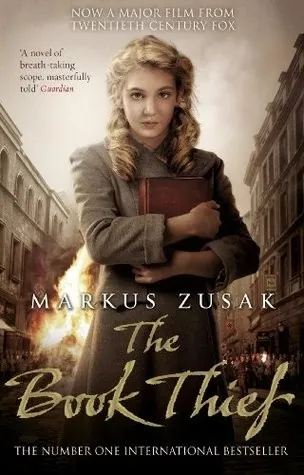
The Book Thief (2005) by Markus Zusak is one of the most unusual bestsellers of this century: a novel about Nazi Germany, narrated by Death himself, about a young girl named Liesel Meminger who steals books, learns to read, and is sustained by words through the horror of the war. The combination sounds impossible - Death as a narrator is weary, wry and strangely kind - and yet the book works, because Zusak understands that the most powerful way to tell the story of the Holocaust’s shadow over ordinary German lives is through a child’s love of language. Liesel’s story is about words: the ones she steals, the ones she writes, the ones she says over the dying. It is also about the people who love her - her foster parents Hans and Rosa Hubermann, her friend Rudy Steiner, the Jewish man hidden in their basement - and about how ordinary people keep their humanity when everything around them is trying to strip it away.
This guide gathers the strongest readalikes, from the essential memoirs to the novels that share its wartime setting, its unusual narrators, or its faith in words. Each comes with honest content notes and a clear sense of what it shares with the original.
The Essential Companions: Real Voices from the Same Catastrophe
The Book Thief is fiction, but it sits beside some of the most important true accounts ever written, and readers who loved it should know them.
The Diary of a Young Girl by Anne Frank (1947) is the essential companion. Anne Frank was a German-Jewish girl hiding with her family in an Amsterdam annex during the Nazi occupation, and her diary - kept between 1942 and 1944, before the family was discovered - records the daily life of the hiding place with the same combination of ordinary concerns and unbearable stakes that Zusak captures. Like Liesel, Anne is a girl who loves words and who keeps writing them under threat of death. The diary is not graphic, but its ending is known to every reader, and it is one of the most emotionally powerful books ever written.
Night by Elie Wiesel (1958) is the other essential text: a memoir by a teenager who survived Auschwitz and Buchenwald, telling the story of his father and himself in prose stripped of everything except the facts. Where The Book Thief is warm and lyrical, Night is cold and spare; reading the two together shows the range of Holocaust literature. It is short and devastating, and it should be read by mature readers with support.
The Hiding Place by Corrie ten Boom (1971) is the memoir that shares The Book Thief’s interest in ordinary people hiding the persecuted: ten Boom, a Dutch Christian watchmaker, hid Jews in her home during the occupation, was arrested and sent to Ravensbrück, and survived to tell the story. It shares the novel’s theme of quiet courage in ordinary households and its interest in the moral choice of sheltering people at great risk.
Novels of the War Told From Unusual Angles
The readalikes that capture The Book Thief’s texture best are the novels that find a new angle on the same war.
All the Light We Cannot See by Anthony Doerr (2014) is the closest match among recent novels: a blind French girl and a German boy soldier, their lives converging in a walled town in Brittany during the final months of the war. It shares The Book Thief’s structure of a war story told through the small daily texture of two young lives, its lyrical prose, and its German perspective on the war. It is longer and more intricate than Zusak’s novel, but the emotional register is the same.
The Boy in the Striped Pajamas by John Boyne (2006) shares the child’s-eye view and the German family setting: the nine-year-old son of a concentration camp commandant befriends a boy on the other side of the fence. It is a deliberate fable rather than a realistic account, and its ending is one of the most devastating in children’s literature. It has been criticized by some historians for the inaccuracies of its premise, so it is best read as a moral fable and discussed accordingly.
The Book of Thieves - no, the correct companion here is The Guernsey Literary and Potato Peel Pie Society by Mary Ann Shaffer and Annie Barrows (2008), which shares the bookish premise: a writer in postwar London begins corresponding with the residents of Guernsey, who formed a literary society during the German occupation as an alibi for breaking curfew. It is told entirely in letters, it is warm where Zusak is wrenching, and it shares the novel’s belief that books are a form of resistance and of community.
The Diary of a Young Girl has already been named; among other novels, Number the Stars by Lois Lowry (1989) is the children’s classic that shares the sheltering theme: a Danish girl helps her Jewish best friend’s family escape to Sweden. It is written for younger readers, entirely clean, and an excellent introduction to the same historical territory.
Stories About Words and the People Who Love Them
What makes The Book Thief distinctive is not just the war but the words: Liesel’s stealing of books, her learning to read, her writing. Some of the best readalikes are the books that share that love of language as the thing that saves us.
The Little Paris Bookshop by Nina George (2013) is the adult counterpart: a bookseller on a barge on the Seine who prescribes books like medicine sets out on a journey to heal his own heart. It shares the premise that books can save people, though its tone is gentler and its setting is contemporary.
The Midnight Library by Matt Haig (2020) shares the philosophical cast: a woman between life and death visits a library of books containing all the lives she might have lived. It is not a war novel, but it shares The Book Thief’s underlying argument - that a life is made of choices and words and love - and its interest in the value of an ordinary human life, which is exactly what Death’s narration in Zusak’s novel is arguing for.
Fahrenheit 451 by Ray Bradbury (1953) is the darkest bookish companion: a dystopian novel in which firemen burn books, and one fireman begins to steal them instead. It shares Liesel’s situation - a person who risks everything to keep words alive - transplanted to a future where the state, not a war, is the enemy of reading.
Themes and Values That Hold the Readalikes Together
The category coheres around a few core beliefs that are worth naming.
Words as a form of resistance and survival is the central theme. Liesel steals books because words are the thing that keeps her human; Anne Frank writes because the diary is the place where she is free; the Guernsey society reads because books are a way of refusing the occupation’s narrowing of life. The books argue that language is one of the few things that cannot be confiscated.
Ordinary people making moral choices under impossible pressure is the second theme. Hans Hubermann is not a hero - he is a man who cannot bear to betray a friend’s son, and who hides a Jewish man in his basement and lies to the Nazis. The readalikes all center on these quiet choices: Corrie ten Boom’s family hiding Jews, the Danish families in Number the Stars smuggling their neighbors to Sweden, the Guernsey islanders forming a reading group. The books’ question is the same one Liesel’s story poses: what does an ordinary person owe, and what is the cost of paying it?
The value of a single human life is the third theme, and it is where Death’s narration matters. Death is the narrator of The Book Thief precisely so the novel can argue, on the authority of the one who takes us all, that every life is precious and that the war’s arithmetic of millions is a lie about what each of those millions was. The readalikes share this: Night is a single boy and his father, The Diary of a Young Girl is a single girl, and the power of each is that the reader is forced to see one life whole.
Content Notes: What These Books Contain
The Book Thief itself is a young adult novel that deals directly with the Holocaust and wartime death: the story includes the death marches, the bombing of civilians, the transport of Jews, and a devastating ending. It is not graphic in the way of adult Holocaust literature, but the emotional weight is very heavy, and it is usually recommended for readers from around age thirteen or fourteen, ideally with a parent or teacher to discuss it. Our family book club questions guide includes ways to discuss the novel’s difficult subjects.
Night and The Hiding Place are adult memoirs and are the most intense of the recommendations; they should be read by mature readers. The Diary of a Young Girl is appropriate for older children and adults. All the Light We Cannot See is an adult novel, clean in content but with the war’s violence and cruelty present. The Guernsey Literary and Potato Peel Pie Society is the lightest of the group - warm, comic in places, entirely clean - and is suitable for family reading. The Boy in the Striped Pajamas, Number the Stars and Fahrenheit 451 are all clean, with the former’s ending requiring preparation for younger readers. Our family book club questions guide can help families choose what fits their readers.
A Reading Plan for Book Clubs
The Book Thief is an outstanding book club choice because it generates discussion on every level: the unusual narrator, the prose style, the historical setting, and the moral questions at the center. The richest discussions come from Death as a narrator: why did Zusak choose to tell the story this way, and what does Death’s weariness and tenderness add to a story that could have been told realistically? Is the book a Holocaust novel or a novel about ordinary Germans - and what difference does that distinction make? What is the book saying about words, and about what words can and cannot do in the face of atrocity?
Clubs that read The Book Thief alongside a memoir - The Diary of a Young Girl or Night - get the most powerful kind of comparison: fiction’s version of the story against the real voices. Our family book club questions guide offers structured prompts for these discussions, and our book club questions guide adapts them for mixed-age groups.
How to Choose Your Next Book
The choice depends on which piece of The Book Thief you loved most. If it was the unusual narrator - the vast, weary voice of Death - then All the Light We Cannot See, with its luminous double narrative, is the closest match among recent novels. If it was the wartime household, the ordinary German family keeping its humanity under pressure, then The Boy in the Striped Pajamas and Number the Stars are your books. If it was the bookish premise, the love of words as resistance, then The Guernsey Literary and Potato Peel Pie Society and Fahrenheit 451 carry that thread. And if it was the need for the real voices behind the fiction, the memoirs - The Diary of a Young Girl, Night, The Hiding Place - are essential reading.
Age and readiness matter too. For younger readers, Number the Stars is the gentlest entry point into the same historical territory. For teens who have read The Book Thief, The Diary of a Young Girl is the natural next step. And for mature readers ready for the full weight of the subject, Night and The Hiding Place are the books that carry it. Our family book club questions guide offers structured ways to discuss these choices together.
Conclusion: The Book Thief’s Gift
The Book Thief is a novel about the worst time in modern history, told by Death, about a girl who steals books - and it is one of the most life-affirming books of this century. Its argument is simple and profound: words are how we stay human, love is how we survive, and every single life is worth telling, even - especially - the small ones lived in the shadow of the largest cruelty. Liesel Meminger, Hans and Rosa Hubermann, Rudy Steiner, the hidden Max Vandenburg: they are ordinary people in impossible circumstances, and the novel honors them by telling their story completely. The books on this list stand beside it in that work. Start with whichever one calls to you, and let the family of wartime readers show you how words can carry a life. For the full collection of reading paths, begin at the Guides section of our site.