Best Books About Purpose and Meaning by Paulo Coelho
Introduction: The Journey as the Treasure
Paulo Coelho is the most widely translated living author in the world, and The Alchemist (1988) is the book that made him famous - a fable about a shepherd who travels across the desert in search of treasure and discovers that the journey itself was the treasure. Coelho’s central idea is the Personal Legend: the purpose each person is meant to fulfill, the destiny that the universe conspires to help us achieve - if only we are brave enough to pursue it. His books have sold more than two hundred million copies and have become the modern literature of purpose.
This guide maps Coelho’s books on purpose and meaning, from the essential fable to the companion works that developed his themes, with a reading order, honest content notes, the themes that make his work cohere, and companions for when you want more.
The Purpose Books in Reading Order
The Alchemist (1988) is the essential Coelho, and one of the best-selling books of all time: Santiago, an Andalusian shepherd, dreams of treasure at the Egyptian pyramids, sells his flock and crosses the desert toward his Personal Legend - guided by a king, a crystal merchant, an Englishman seeking alchemy and the alchemist himself, and, in the desert, by the love of Fatima. The fable’s structure is the classic quest, and its meaning is Coelho’s whole philosophy: the treasure was at the start all along, and the journey - the pursuit of purpose - was the point. The novel is short, simple and utterly sincere, and its famous lines - “when you want something, all the universe conspires in helping you to achieve it” - have entered the language of purpose. Content note: a fable with no content concerns; for readers from around age thirteen or fourteen upward.
The Pilgrimage (1987) is the essential companion as the origin: the autobiographical account of Coelho’s own journey on the Road to Santiago, the pilgrimage that preceded and produced The Alchemist - the book that shows the personal Legend emerging from a real life. Content note: a spiritual memoir; for readers from around age fifteen upward.
Brida (1990) is the essential companion about the soul’s purpose: the story of a young woman on a quest for knowledge, torn between the safety of the known and the call of her own path - Coelho’s account of love and the soulmate, and the purpose found through the other. Content note: a novel with some spiritual and romantic themes; for readers from around age sixteen upward.
Eleven Minutes (2003) is the essential companion in the most challenging register: the story of Maria, a young Brazilian woman who becomes a prostitute in Geneva and must find her own meaning in a life others define for her - Coelho’s darkest book, and his most explicit about the search for purpose in the body. Content note: an adult novel with explicit sexual content; for mature readers.
Content Notes for Each Book
The Alchemist is Coelho’s gentlest book: a fable with no content concerns, accessible to readers from around age thirteen or fourteen upward and beloved by readers of every age. The Pilgrimage and Brida are spiritual works with some romantic themes, best for readers from around age fifteen or sixteen upward. Eleven Minutes is the exception - an adult novel with explicit sexual content, for mature readers only. Coelho’s prose is simple and parable-like by design, and readers should know that his books divide opinion: millions find them life-changing, and critics have found them simplistic. The best approach is to read one with an open mind and judge for oneself.
Readers choosing among Coelho’s books will find our a thoughtful guide to positive messages helpful for the vision of purpose his work offers, and our a thoughtful guide to kindness and compassion useful for the love at the center of his stories.
The Purpose Themes in Coelho’s Work
Three themes give Coelho’s treatment of purpose and meaning its distinctive shape.
The Personal Legend is his central claim. Coelho’s purpose is personal and singular: each person has a destiny they are meant to fulfill, and the universe conspires to help those who pursue it. His philosophy is the argument that purpose is not found but followed, and that the pursuit is the fulfillment.
The obstacle as the lesson is the second theme. Santiago’s desert is full of obstacles - the theft of his money, the war, the fear - and each obstacle is the curriculum. Coelho’s purpose is the argument that the difficulties are not interruptions but the journey, and that what blocks the path is teaching the path.
The treasure at home is the third theme. The Alchemist’s ending - the treasure buried at the starting point - is Coelho’s deepest claim: purpose is not elsewhere but in the life we left to seek it. His philosophy is the argument that the journey teaches us to see what was always there, and that the return is part of the quest.
Why Coelho’s Purpose Endures
The Alchemist has sold more than sixty-five million copies, has been translated into more than eighty languages, and is one of the best-selling books in history. The reason is simple: Coelho wrote about purpose at the scale of a single fable, and made the largest questions of meaning feel like a shepherd’s dream. His books are the gateway through which millions of readers first encounter the idea that their life has a purpose, and they are read in airports, classrooms and hospital beds around the world.
His influence extends far beyond literature: his phrases have become mottos, his fable has been adapted into music and film, and the Personal Legend has entered the vocabulary of personal development. But the books endure because of their sincerity - a simplicity that never becomes shallow for the readers it reaches, a spirituality that never becomes doctrine, and a hope that has survived his critics. Coelho wrote the essential fables of purpose, and no one has written more widely read ones since.
Companion Books for Every Coelho Reader
When you have finished Coelho’s own books, these titles extend the same territory.
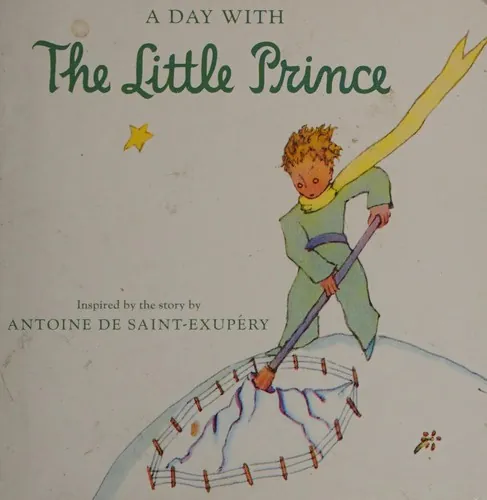
The Little Prince by Antoine de Saint-Exupéry (1943) is the essential companion: the other great modern fable - the pilot and the prince, the rose and the fox - a book about what matters, told with the same deceptive simplicity. Content note: a fable, appropriate for all ages.
The Essential Rumi translated by Coleman Barks (1995) is the essential companion as poetry: the Sufi poet’s verses on love and the journey of the soul - the mystic tradition beneath Coelho’s stories.
Tuesdays with Morrie by Mitch Albom (1997) is the essential companion in the modern register: the dying professor’s lessons on what matters - the American counterpart to Coelho’s fables, with the same questions and a documentary weight.
For the practical questions of what purpose is for, our meaningful positive messages reading list and our meaningful kindness and compassion reading list gather the framing readers need.
A Reading Plan for Book Clubs
The Alchemist is the ideal club book for a group that wants to discuss purpose: short enough to read in an evening, and designed to generate conversation - every reader will have an opinion about whether the book is profound or simple. The most fertile questions are the ones the fable refuses to settle: What is each member’s Personal Legend, and what is standing in the way? Is the universe really conspiring to help - or is that a comforting myth? What does the ending say about the journey?
The book also generates the hardest kind of discussion: the claim that the obstacle is the lesson, and the treasure was at home all along - which challenges every reader who believes their purpose is elsewhere. Clubs should expect the conversation to turn personal, and should give members room to disagree - the fable rewards exactly the argument it provokes.
Clubs preparing without spoilers will find our family-friendly positive messages reading list useful for framing the themes.
A Note on the Book’s Structure and Editions
The Alchemist is built as a classic quest - the call, the journey, the obstacles, the guide, the treasure - and Coelho’s prose is deliberately simple, in the register of a parable rather than a novel. Readers should know that the book’s simplicity is its method: Coelho wrote it in two weeks, in a single burst, after a spiritual crisis and a pilgrimage, and the book carries the directness of that origin. The novel has been published in many editions and translations; the English translation by Alan R. Clarke is the standard. The book also rewards rereading at different stages of life - the teenager reads it as adventure, the adult as philosophy - which is why it remains a companion rather than a one-time read.
What Coelho’s Books Teach Together
Read together, Coelho’s novels form a single journey, each one a stage of the same quest. The Pilgrimage supplies the origin - the real walk on the Road to Santiago that produced the philosophy. The Alchemist supplies the myth - the shepherd’s quest that made the Personal Legend a household phrase. Brida supplies the love - the purpose found through the other, the soulmate on the path. Eleven Minutes supplies the test - the search for meaning in the body, in the life others define, Coelho’s darkest answer to his own question. Each book is a stage of the same journey, and they are best read in roughly that order, because the later books presume the earlier questions. That is why they belong on the same shelf: the reader who walks from the pilgrimage to the fable to the love to the test has walked Coelho’s whole path - and arrived, like Santiago, where the treasure was all along.
Conclusion: The Treasure at the Beginning
Paulo Coelho’s contribution to the literature of purpose is a single image, and it has entered the language: the treasure buried at the starting point. He wrote it into the dream of a shepherd, and it has outlasted every literary fashion since. His purpose is not achievement and not escape; it is the Personal Legend, the obstacle as the lesson, and the return to the treasure that was always at home. His fable is short, and it is inexhaustible. Read it, and let Coelho show you what purpose is actually for. For more reading paths, explore the Ideas section of our site.