Books Like The Book Thief
Introduction: What Readers Mean by “Books Like The Book Thief”
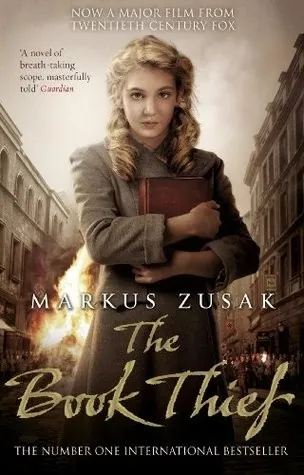
When readers ask for books like The Book Thief, they are rarely asking for another Holocaust novel. They are asking for something more specific: WWII told from a young person’s perspective, ordinary people choosing love and kindness under tyranny, and an unusual narrator or form that makes the story feel new. The Book Thief (2005) has all three - Liesel Meminger, a girl in Nazi Germany who steals books, narrated by Death himself, in a novel that is full of love - and the books that come closest are the ones that find their own way to the same combination.
This guide gathers the strongest readalikes, old and new, with honest content notes and a clear sense of what each book shares with Zusak’s novel and where it departs from it.
The Literary WWII Novels
The books that come closest to The Book Thief are the literary novels that treat the war with the same seriousness and art.
All the Light We Cannot See by Anthony Doerr (2014) is the essential modern companion: the story of Marie-Laure, a blind French girl, and Werner, a German boy soldier, whose lives converge in occupied Saint-Malo - told in short, luminous chapters that weave toward a single moment. It shares The Book Thief’s structure (two young people on opposite sides, drawn together), its lyricism, and its conviction that the ordinary acts of love are the resistance. Content note: an adult novel about the war, intense but not graphic; appropriate for readers from around age fifteen upward.
The Nightingale by Kristin Hannah (2015) is the essential companion about the women of the war: two sisters in occupied France - one who hides downed Allied pilots, one who survives the unthinkable in a different way - and the novel’s insistence that the war was fought in kitchens and bedrooms as well as battlefields. It is for readers who loved the domestic scale of The Book Thief and want the adult version. Content note: an adult novel with wartime violence and sexual violence; for mature readers.
Salt to the Sea by Ruta Sepetys (2016) is the essential companion about the forgotten tragedy: four young people from different nations flee toward the Wilhelm Gustloff, the ship whose sinking killed more people than the Titanic and the Lusitania combined. It shares The Book Thief’s structure (young narrators, converging fates, history’s shadow) and its insistence on the stories history forgot. Content note: a young adult novel dealing with war, loss and the sinking; for readers from around age fourteen upward.
The Real Lives Behind the Fiction
A second branch of the family is the true story that the fiction draws on.
The Diary of a Young Girl by Anne Frank (1947) is the essential real-life source: the diary of a teenage girl hiding with her family in an Amsterdam annex, written while the world outside was lying on the largest scale in history. It is the book that The Book Thief’s world is built from - the hiding, the fear, the ordinary life held onto under occupation - and it is the essential companion for readers who want the truth under the fiction. Content note: an accessible diary that includes the historical context of the Holocaust; appropriate for readers from around age eleven upward, with discussion.
The Librarian of Auschwitz by Antonio Iturbe (2012) is the essential book about books under tyranny: based on the true story of Dita Kraus, a fourteen-year-old girl in Auschwitz who risks her life to protect the eight books that make up the secret library of the children’s block. It is The Book Thief’s central image - the book stolen, hidden, treasured - made real, and it is the readalike that Book Thief readers most often love next. Content note: a young adult novel based on a true story, dealing directly with the camps; for readers from around age thirteen upward, with discussion.
The Silver Sword by Ian Serraillier (1956) is the essential classic about children surviving the war: the story of four children crossing a devastated Europe after the war, searching for their parents, guided by a paper sword and the kindness of strangers. It is the gentler, older sibling of The Book Thief - the same world, the same children, more hope. Content note: a classic children’s novel; appropriate for readers from around age ten upward.
The Young Perspectives
A third branch is the young-adult novel that uses a child’s eye the way Zusak does.
The Boy in the Striped Pajamas by John Boyne (2006) is the essential companion in form: the story of Bruno, the nine-year-old son of a Nazi commandant, who befriends a boy on the other side of the fence at Auschwitz - not understanding what the fence is. It shares The Book Thief’s structure (a child’s innocence against the war’s horror) and its devastating irony, and it is the book that readers of Liesel most often discuss alongside. Content note: a young adult novel that deals directly with the Holocaust, with a famous gut-punch ending; for readers from around age twelve upward, with discussion.
Number the Stars by Lois Lowry (1989) is the essential gentle classic: the story of a Danish family in 1943 who help their Jewish friends escape to Sweden, seen through the eyes of ten-year-old Annemarie. It is the book for younger readers - the same courage, the same ordinary people, with the darkness held gently at a distance. Content note: a children’s novel dealing with the Holocaust with restraint; appropriate for readers from around age nine upward.
The Boy Who Dared by Susan Campbell Bartoletti (2008) is the essential companion about resistance: based on the true story of Helmuth Hübener, a German teenager who printed anti-Nazi leaflets and was executed for it - a young person, like Liesel, finding his own small resistance. Content note: a young adult novel about the war; for readers from around age twelve upward.
Themes and Values That Hold the Readalikes Together
Once you have read a few of these books side by side, the shared themes become clear, and they are worth naming because they are what make the category cohere.
The young eye on the war runs through every one of them. The Book Thief’s central choice - to tell the war through a child - is the load-bearing structure of the whole family. Anne Frank writes as a teenager; Bruno sees without understanding; Annemarie watches the adults’ courage; Dita carries the books. The books are united by the conviction that the child’s eye sees what the adult’s account misses: the ordinary life, the small loves, the scale of what is being lost.
Books and words as resistance is the second shared value. The Book Thief is literally about the power of words under tyranny - Liesel steals books, learns to read, writes her own story - and the family keeps the theme: the secret library of Auschwitz, the diary kept in hiding, the leaflets printed by a teenager. The books agree that words are the resistance, and that the book hidden is the freedom held onto.
Love under tyranny is the third shared theme. The Book Thief’s narrator, Death, insists that the human race is worth it - that he is haunted by humans, and that the haunting is love. The family keeps the claim: the family hiding their Jewish friend, the sisters of the Nightingale, the children of the Silver Sword. The books agree that the ordinary love, kept under the worst conditions, is the real story of the war.
What to Read Next Depends on Why You Loved It
If you loved the literary style and the converging fates, read All the Light We Cannot See, which is the closest modern companion.
If you loved the books and the words, read The Librarian of Auschwitz, which is the same image made real.
If you loved the real history underneath, read The Diary of a Young Girl, which is the source of the world.
If you loved the young perspective, read The Boy in the Striped Pajamas and Number the Stars, which use the child’s eye the same way.
If you loved the domestic scale - the family, the street, the ordinary life - read The Nightingale, which is the adult version of the same world.
Content Notes: What These Books Contain
All of these books deal with the Holocaust or WWII and require the expectation of heaviness. The Book Thief, The Boy in the Striped Pajamas, The Librarian of Auschwitz and Salt to the Sea are young adult novels appropriate from around age twelve to fourteen, with discussion. Number the Stars and The Silver Sword are the gentlest, appropriate from around age nine to ten. All the Light We Cannot See and The Nightingale are adult novels, the latter containing wartime sexual violence, for mature readers. The Diary of a Young Girl is appropriate from around age eleven with discussion. None contain gratuitous content; the weight is historical and emotional. Our thoughtful guide to purpose and meaning and our best positive messages reading list offer related reading paths for the questions of resilience and love these books raise.
A Reading Plan for Book Clubs
The Book Thief generates conversation on every level: the narrator, the language, the history, the question of why a book full of death is full of love. Some of the best discussion questions come from pairing it with a book that shares its world: read it with The Diary of a Young Girl, and ask what the fiction adds to the truth; read it with All the Light We Cannot See, and compare the two convergences; read it with The Librarian of Auschwitz, and ask what the books meant to the people who risked everything for them.
Conclusion: The Words That Keep Giving
The Book Thief endures because it is about something permanent: the conviction that words are the resistance, that the child’s eye sees the truth, and that love kept under tyranny is the real story of the war. Every book on this list takes one piece of that - the style, the books, the history, the young eye - and builds its own account around it. The joy of reading them is the joy of watching the same world told by different voices, different narrators, different registers. Start with whichever part of Liesel’s story you loved most, and let the comparison teach you what the words are really made of. For the full collection of reading paths, start at the Ideas section of our site.