Ethical Leadership: Themes, Values and Reading Notes
Introduction: The Themes That Test Leadership
The literature of ethical leadership is one of the deepest in the world, and its themes are the reason it never runs dry. Read across two and a half millennia - from Aristotle to Heifetz, from Plato’s rulers to Lincoln’s cabinet - the books about leadership keep staging the same few questions, and the questions keep answering differently. This guide names those themes, the values they carry, and the reading notes worth taking - the observations that turn a reading list into an education.
Theme One: Effectiveness Is Not Worth
The first theme of the literature of ethical leadership is the difference between effectiveness and worth. A leader can be supremely effective and profoundly wrong - the century’s worst leaders were often its most effective - and the difference between them is ethics. The books that take this theme seriously are the ones that refuse to measure leadership by results alone.
Yertle the Turtle by Dr. Seuss is the purest staging for readers of any age: Yertle stacks turtles to make his throne higher, and he is supremely effective at it - until the turtle at the bottom burps, and the whole throne falls. The Little Prince by Antoine de Saint-Exupéry stages it more gently: the king with no subjects, the man who owns the stars, the leaders who rule things that do not matter. The reading note worth taking: in every book about leadership, note what the leader measures - results, or worth - and where the two come apart.
Theme Two: The Refusal of the Authority Trap
The second theme is the authority trap: the temptation to lead by giving answers. When people are anxious, they demand certainty, and the leader who supplies it is rewarded - until the answers fail. The literature of ethical leadership is the literature of the refusal: the leader who says “I don’t know,” who holds the question open, who asks people to bear the discomfort of not knowing.
Ronald Heifetz’s Leadership Without Easy Answers is the essential modern staging: the distinction between technical problems (which have known solutions) and adaptive challenges (which require people to change), and the argument that ethical leadership is the leadership of adaptive challenges - mobilizing people to face hard problems they would rather avoid. The history is full of the pattern: Lincoln holding the Union to the meaning of the war, Mandela holding South Africa to reconciliation. The reading note worth taking: note the moment in each book where the leader could have given a false answer and did not - and what it cost them.
Theme Three: Character Before Technique
The third theme is the priority of character over technique. The oldest strand of the literature insists that leadership is built on character - integrity, trust, the keeping of promises - not on technique, and that the character must be built before the authority arrives.
Aristotle’s Nicomachean Ethics is the foundation: virtue as the habit of choosing well, and practical wisdom as the ability to see what a situation requires. Stephen R. Covey’s The 7 Habits of Highly Effective People is the modern version: its famous ordering - private victory before public victory - is the clearest statement that ethical leadership begins with leading oneself. The reading note worth taking: in every biography, note what the leader was before they had power - the habits, the promises, the integrity that held when no one was watching - and how the power tested it.
Theme Four: The Cost of Doing Right
The fourth theme is the cost of doing the right thing. The literature of ethical leadership does not promise that ethics pays; it shows leaders who paid, and who decided the price was worth it.
Long Walk to Freedom is the essential staging: Mandela’s twenty-seven years in prison, and the choice to emerge without bitterness. Just Mercy is the modern staging: Bryan Stevenson’s decades defending the wrongly condemned, losing most of the cases, and keeping going. The Kite Runner by Khaled Hosseini stages the personal version: the cost of atonement, paid over a lifetime. The reading note worth taking: for each leader, list the costs - what they gave up, what they lost, what they refused to trade - and then ask what the book argues the price was for.
Theme Five: Leadership as Service
The fifth theme is the oldest and the deepest: leadership as service rather than power. The leader does not command; the leader serves - makes others able, holds them in discomfort, gives rather than takes.
The Little Prince is the purest staging for readers of any age: what makes a thing yours is not power but care - “it is the time you have wasted for your rose that makes your rose so important.” Swimmy by Leo Lionni is the children’s version: the little fish who leads by making the school brave, not by commanding it. The Boy Who Harnessed the Wind is the real-world version: a boy who led his village by building, not by commanding. The reading note worth taking: in every book, identify the moment of service - the moment the leader gives something of themselves - and note what was given and to whom.
The Values: What the Books Stand For
The literature of ethical leadership stands for values, and the values are remarkably consistent across two and a half millennia. The first is integrity: the character built before the authority, the promise kept when no one is watching. The second is service: the leader who gives rather than takes, who makes others able. The third is courage: the willingness to do the right thing when it is costly - the value that connects leadership to the whole literature of courage. The fourth is patience: the refusal of the quick answer, the willingness to hold people in the discomfort of real change. The fifth is purpose: the insistence that leadership is for something - that the question of what the work is for is part of the work itself.
Reading Notes: How to Read the Literature of Leadership
The best way to read the literature of ethical leadership is with a question in hand. For each leader, note their idea of what leadership is for: what does Lincoln think the war is for, what does Mandela think freedom is for, what does Stevenson think justice is for? Note the moment the leader’s ethics are tested - the moment the cheap answer was available and refused. Note the cost: what did the leader pay, and what did they refuse to trade? And note the book’s answer to the deepest question: what makes a leader worth following - results, or worth?
Then compare the notes across books. The comparison is where the education happens: the same themes, tested at different scales, from the turtle at the bottom of the pile to the president holding the Union together.
Theme Six: The Loneliness of the Leader
The sixth theme is the loneliness of the leader: the isolation that comes with holding the standard when no one else will. The literature of ethical leadership is honest about this cost - the leader who does the right thing is often alone in doing it, and the books refuse to pretend otherwise.
Atticus Finch is the essential staging in fiction: he takes the case no one else will take, and his own community turns against him - his children are taunted, his integrity is questioned, and he stands alone in the courtroom. Just Mercy is the real-world version: Bryan Stevenson takes the cases no one else will take, loses most of them, and describes the isolation of the work - the death row cells, the visits no one else makes, the decades of losing. Long Walk to Freedom shows the loneliness at the greatest scale: Mandela’s years of imprisonment were years of isolation, and the books argue that the isolation was part of the leadership - the time when the character was forged.
The reading note worth taking: in each book, identify the moment of loneliness - the moment the leader stands alone - and note what sustains them. In To Kill a Mockingbird it is his children and his own code; in Just Mercy it is the clients; in Long Walk to Freedom it is the cause. The pattern is the argument: the leader is sustained by what they serve, and the loneliness is the price of the service.
Theme Seven: The Leadership of Meaning
The seventh theme is the deepest: the leadership of meaning. The books argue that the final test of a leader is not what they achieve but what they make possible - the meaning they hold open for the people who follow.
Man’s Search for Meaning by Viktor E. Frankl is the essential staging: a psychiatrist in the Nazi camps who observed that the prisoners who survived were often the ones who could hold a purpose - a loved one, a task, a hope - and who built a psychology, logotherapy, on the claim that meaning is the deepest human drive. His leadership was not the leadership of position but the leadership of meaning itself: the refusal to let the camps define what a human life was worth. Our purpose reading guide extends the theme.
Start with Why by Simon Sinek carries it into the everyday: the argument that leaders inspire not by what they do but by why they do it - that people follow purpose, not commands. To Kill a Mockingbird carries it into fiction: Atticus’s leadership works because his children and his town know what he stands for, even when they disagree with him.
The reading note worth taking: in each book, identify what the leader holds open - the purpose, the meaning, the standard - and note how the followers are changed by it. The pattern is the argument: the deepest leadership is the leadership of meaning, and the leader’s final gift is the purpose they leave behind.
Content Notes and Book Pairings
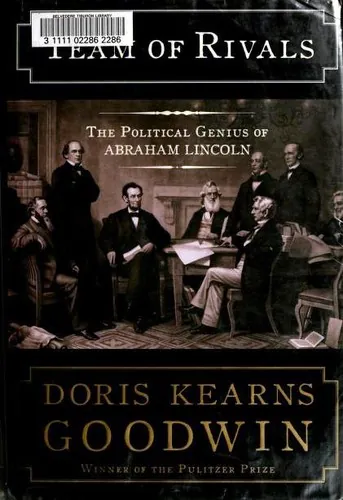
All of the books named here are discussed with content notes in our ethical leadership reading list and our knowledge and education themes pages. The essential pairings: Team of Rivals with Leadership Without Easy Answers (the history and the theory of the same craft); Long Walk to Freedom with Just Mercy (the two memoirs of leadership at cost); Aristotle’s Ethics with The 7 Habits of Highly Effective People (the foundation and the modern version of character); The Little Prince with Swimmy (the two children’s books that say it best). Our historical accuracy for adults reading connects the leadership themes to the historical record.
Conclusion: The Question That Tests Every Leader
The literature of ethical leadership never runs dry because its themes are permanent: effectiveness is not worth, the authority trap must be refused, character comes before technique, doing right costs something, and leadership is service. The values are equally permanent - integrity, service, courage, patience, purpose - and the books keep returning to them because readers keep needing them. Take the reading notes, make the pairings, bring the question of what leadership is for to every book, and the literature of ethical leadership will keep answering differently every time you return. For more reading paths, explore the Ideas section of our site.