A Thoughtful Guide to Family Values
Every family teaches values. The question is never whether it happens - it happens every day, in every interaction - but how consciously it happens, and whether the values are the ones the family actually wants to pass on. This guide is about one of the most reliable ways families have ever taught values: reading together. Not reading at each other, and not testing comprehension, but entering the same stories and letting the stories do what stories do best - showing values being lived, tested and kept.
What Family Values Actually Are
Before recommending books, it helps to be precise about the thing itself. Family values are not a list of slogans to be posted on a wall; they are the habits of attention and care that a family practices until they become second nature. The psychologist’s word for the mechanism is modeling - children absorb how their parents treat one another, how they handle disappointment, whether they keep their word - and they absorb it long before they can articulate it.
The values that appear most consistently across cultures and traditions are a short list: loyalty, honesty, forgiveness, respect and shared responsibility. They are not arbitrary; they are the behaviors that make a household work. A family that is loyal, honest and forgiving can survive almost anything; a family that is none of those things cannot be saved by any amount of affection. The books below are chosen because they show these values being practiced, and because they give families a shared language for talking about them.
Why Stories Teach Values Better Than Lectures
There is a reason the world’s moral traditions are full of stories rather than rulebooks. A lecture tells a child what to do; a story shows a character deciding what to do, and lets the child feel the weight of the decision from the inside. When Scout watches her father do the right thing at real cost in To Kill a Mockingbird, she learns something no amount of parental advice could teach - that values are what you do when doing the right thing is expensive.
The research on narrative agrees. Stories engage the same mental machinery we use to understand real people, and they let readers practice moral judgment in a safe space. A child who has watched Anne Shirley tell a lie and then confess it has rehearsed, in imagination, the cost and relief of honesty. The rehearsal is the teaching.
The Books That Teach Loyalty
Loyalty is the value most families name first, and it is the easiest to see in action. It is the decision to belong to one another, again and again, even when belonging is inconvenient.
Little Women by Louisa May Alcott
The March sisters are the great textbook of family loyalty. They are poor, their father is away at war, and their mother is often absent caring for others - and the sisters carry the household, quarrel, forgive and love each other through it all. The book’s quiet power is that the loyalty is never announced; it is practiced, in the borrowed dress, the shared bed, the sister who gives up something so another can have it.
Anne of Green Gables by L. M. Montgomery
Anne teaches a different lesson about loyalty: that it can grow where it was not expected. The Cuthberts wanted a boy; they got a girl, and the girl wins them over by years of small evidence - her honesty, her courage, her absurd imagination. The book is a reminder that family is chosen as much as it is given, and that chosen loyalty is often the strongest kind.
The Books That Teach Honesty
Honesty is the value that most families claim and few families practice perfectly, which is exactly why it needs stories - stories that show the cost of lying and the relief of confession.
The Adventures of Tom Sawyer by Mark Twain
Twain’s novel is often read as pure adventure, but its moral center is Tom’s famous confession - his decision to tell the truth about a crime he witnessed, at real risk to himself, because the lie had become unbearable. The book teaches honesty the way children actually learn it: not from a lecture, but from watching a boy carry a lie, suffer under it, and finally set it down.
Pride and Prejudice by Jane Austen
Austen’s novel teaches a subtler honesty: honesty with oneself. Elizabeth Bennet’s great moment is not a confession to anyone else; it is her private admission that she judged Darcy wrongly and too quickly, and her determination to revise her judgment. The book is a family story with a sharp edge - the Bennet household shows how parental habits shape children - and it teaches that the hardest honesty is the honesty we owe ourselves.
The Books That Teach Forgiveness
Forgiveness is the family value that gets the least lip service and does the most work. Every family wounds its members eventually; the question is whether the wounds are held or released.
The Kite Runner by Khaled Hosseini
Hosseini’s novel is the hardest book on this shelf, and it belongs here because it shows forgiveness at full cost. Amir betrays his childhood friend, carries the guilt for decades, and finally returns - across a war-torn country, into danger - to begin the repair. The book deals with violence and trauma, so it is for older teens and adults, but it is one of the most honest accounts ever written of what forgiveness costs and why it is worth paying.
The Return of the Prodigal Son by Henri Nouwen
For families that want the forgiveness conversation in a gentler, more reflective key, Nouwen’s meditation on the parable of the prodigal son is a beautiful choice. Nouwen reads the story from every side - the younger son who leaves, the elder who resents, the father who forgives - and asks what it means to be each of them. It is a book for adults, and it pairs well with a family discussion of what forgiveness looks like at home.
The Books That Teach Respect and Responsibility
Loyalty, honesty and forgiveness are the inner values. Respect and responsibility are the values that carry the family out into the world - the school, the neighborhood, the community.
To Kill a Mockingbird by Harper Lee
The Finch family is the great model of values taught by example. Atticus never lectures Scout about justice; he defends an innocent man, and the defense is the lesson. The book teaches respect - for the different, the misunderstood, the accused - and responsibility, the duty to do the right thing even when it costs. For a deeper exploration of how commitment and duty work in the partnership at the heart of the family, our guide to marriage and commitment is a natural companion.
The Little Prince by Antoine de Saint-Exupéry
Saint-Exupéry’s fable is a short book that rewards every age, and its lessons about responsibility are among the deepest in children’s literature. The prince’s famous line - that you become responsible forever for what you have tamed - is a definition of family values in a single sentence: the people we love are the people we are responsible for, and the responsibility is the love.
How to Read These Books as a Family
The books matter, but the reading matters more. Three practices turn a shelf of books into a family value system.
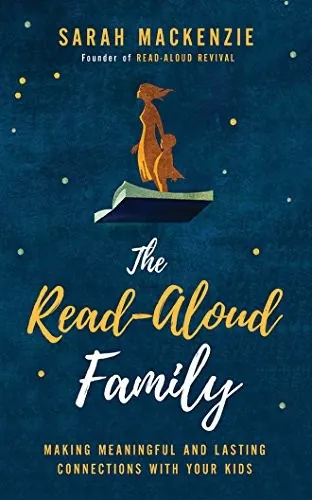
First, read the same book at the same time. It does not need to be aloud - though reading aloud to younger children is one of the most powerful bonding practices a family has - but it needs to be shared, so that the conversations can happen around the dinner table.
Second, ask one good question per chapter, not ten. The question should be about the characters’ choices, not about plot recall. Ask what a character should have done, or when a character’s value was tested, or what the family in the book would think of your family. The question is the lesson.
Third, practice what the book shows. If a chapter on forgiveness moves someone, practice forgiveness that week. If a scene about honesty lands, tell a hard truth gently. Values are not for the page; they are for the kitchen table, and the book is only the occasion.
When the Book Challenges Your Values
A thoughtful guide should be honest about this: some of the best family reading challenges the family’s values rather than confirming them. A book that makes a child ask why their family does things differently is not failing; it is succeeding, because it has forced the family to say what it believes and why. The discussion that follows - awkward, searching, real - is the value education, and it is worth more than any number of confirming books.
The practice is to meet the challenge with curiosity rather than defense. Ask the child what they think the book is saying, and what they think of it, before you offer your own view. The child who has been heard is the child who can hear.
A Deeper Look at the Values Themes
For families ready to go beneath the surface, it is worth naming the four values the shelf keeps returning to, because they are the vocabulary of the whole conversation. Loyalty is the decision to belong, and it is best taught by books that show it being practiced in the ordinary - Little Women, Anne of Green Gables - because children absorb loyalty from watching it lived, not from hearing it defined. Honesty is the value that most families claim and few practice perfectly, and it is best taught by books that show the cost of lying and the relief of confession - The Adventures of Tom Sawyer for children, Pride and Prejudice for the honesty we owe ourselves. Forgiveness is the hardest value, because it is the only one that must be practiced against our own resentment, and it is best taught by books that show its cost - The Kite Runner for older readers, Charlotte’s Web for younger ones. Respect and responsibility are the values that carry the family outward, and they are best taught by books like To Kill a Mockingbird that show values being practiced in public, where they cost the most.
Naming the values gives the family a shared vocabulary. A child who can say that a character was loyal or honest or forgiving - and can say what it cost the character - has begun the moral education the books are for. The naming is the bridge between the story and the life.
Building a Family Reading Culture
Values are taught in the long run, and the long run is built from small habits. A family reading culture is made of a thousand small choices: the book on the kitchen counter, the twenty minutes before bed, the willingness to read the same chapter twice because the conversation was good. The families that pass on values most reliably are not the ones with the most impressive shelves; they are the ones who keep returning to the same stories, the way families return to the same table.
Our guide to family values for adults explores how grown-ups can deepen this practice, and our deeper guide to marriage and commitment carries the conversation into the partnership at the center of the family.
Conclusion
Family values are not a list to be posted; they are habits to be practiced, and the most reliable way families have ever practiced them is by entering stories together. The books on this shelf show loyalty, honesty, forgiveness, respect and responsibility being lived - tested, broken, repaired and kept - and they give families a shared language for the work of belonging. Start with one book and one question. Read it together, let it change one small thing, and come back for the next. The reading is the practice; the values are the harvest; and the family you become while reading together is the point.
Frequently Asked Questions
How do families actually pass on values?
What are the most important family values to teach?
How much should parents discuss a book with their children?
Can reading together really change family behavior?
What if a book challenges family values?
What is the best age to start reading values books with children?
Featured Recommendations
Raining Book Editorial Team
The Raining Book editorial team curates the best book recommendations and reading guides for every type of reader.