A Thoughtful Guide to Sibling Relationships
The sibling bond is the longest relationship most people will ever have - longer than the marriage, longer than the friendship - and it is the most intense, because siblings share parents, history and comparisons from the first day. It is also the relationship almost no one is trained for. The training, such as it is, comes from two places: the stories that show the bond from the inside, and the research that explains it. This guide walks through both, and it offers a way of reading that turns a shelf of books into an actual understanding of the bond.
What the Sibling Bond Actually Is
Before recommending books, it helps to be precise about the thing itself. The sibling bond is not a single feeling; it is a container for many feelings at once - love and envy, loyalty and rivalry, protection and resentment. The psychologist’s word for the mechanism is ambivalence, and the sibling bond is the great school of it: no one else can make you feel so loved and so diminished in the same afternoon.
That ambivalence is not a flaw; it is the shape of the bond. The research on siblings - from birth-order studies to the science of favoritism - confirms that rivalry is rooted in the competition for parental attention, and that it coexists with loyalty from the start. The books below are about that coexistence, and the reading of them is a practice in holding both truths at once.
The Fiction: What the Bond Feels Like
The novels are the heart of the shelf, because they show the bond from the inside - the envy and love that coexist, the loyalty that survives the rivalry.
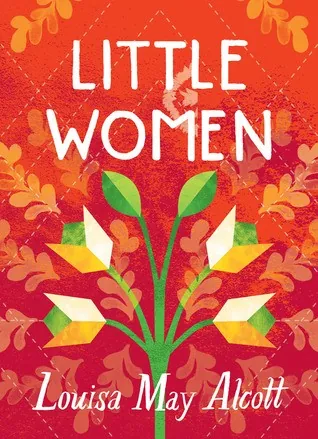
Little Women by Louisa May Alcott
Alcott’s novel is the essential book on the sibling bond, because it shows the full range. The March sisters love each other and drive each other mad: Jo envies Amy, Amy destroys Jo’s manuscript, Meg mothers them all, Beth holds them together. And through the quarrels and the envy, the loyalty holds. The book is the deepest portrait in literature of what siblings actually are to each other - the witnesses of a shared childhood, the carriers of a shared history.
East of Eden by John Steinbeck
Steinbeck’s novel is the essential modern book on sibling rivalry. The story of the Trask brothers, and of the brothers of the next generation, is a retelling of the Cain and Abel story - and its subject is the envy that poisons and the choice that redeems. The novel’s famous claim - that a person can choose - is a sibling lesson: the rivalry is inherited, but the response to it is chosen.
The Brothers Karamazov by Fyodor Dostoevsky
Dostoevsky’s novel is the philosophical summit of the sibling shelf. The three Karamazov brothers are a study in the whole range of the bond: Dmitri’s passion, Ivan’s rebellion, Alyosha’s love, and the murder that tests them all. The novel asks the deepest sibling questions: what do brothers owe each other, and can the bond survive the worst that family can do?
Content notes: A long and demanding novel with dark themes, for mature readers.
The Stories of Loyalty
The novels of rivalry are balanced by the stories of loyalty - the protection, the standing up, the carrying.
The Lion, the Witch and the Wardrobe by C. S. Lewis
Lewis’s novel is a sibling story in the most literal sense: four siblings sent to the country during the war, finding a world that tests them. Edmund’s betrayal and his siblings’ loyalty to him despite it is the heart of the book: the siblings do not abandon the brother who failed them; they carry him, forgive him and stand with him. The book is a child’s first encounter with the loyalty that the sibling bond requires.
Anne of Green Gables by L. M. Montgomery
Montgomery’s series gives siblings a different gift: the portrait of a bond that grows where it was not expected. Anne and Diana Barry are not sisters by blood, but their friendship has the shape of a sibling bond - the sworn loyalty, the shared secrets, the jealousy when a third friend appears. The book teaches that the sibling shape can be chosen as well as given.
The Research: What the Bond Does
The novels show; the research explains. The nonfiction shelf gives readers the science behind the fiction.
The Sibling Effect by Jeffrey Kluger
Kluger’s book is the most readable popular account of the science of siblings. It covers the research on birth order, rivalry, favoritism and the lifelong influence of the sibling bond - and it is honest about both the damage and the love that siblings do to each other. For readers who want the research behind the novels, this is the essential book.
Brothers and Sisters by Jane Mersky Leder
Leder’s book is one of the few nonfiction works devoted entirely to the adult sibling bond. It draws on interviews and research to explore how siblings influence each other across a lifetime - the birth-order patterns, the rivalries that persist into adulthood, the reconciliations that are possible. The book is the research companion to the fiction on this shelf.
The Bond Across a Lifetime
It is worth dwelling on the scale on which the sibling bond actually operates, because the books are best read with the whole span in view. The sibling bond is the longest relationship most people will have - longer than any marriage, any friendship - and its shape changes across the decades. The rivalry of childhood gives way to the distance of young adulthood, which can give way to the closeness of middle age, when siblings often become each other’s oldest witnesses: the only people alive who remember the same childhood, the same parents, the same house. The books on the shelf are best read with that whole arc in mind, because the scene that seems small in childhood - the envy, the quarrel - is the seed of a pattern that will run for sixty years.
The practical consequence is liberating: the bond is not fixed by childhood. The research is honest that sibling relationships are among the most changeable of all bonds - that the rivalry of the nursery does not determine the relationship of the nursing home. The reader who understands the arc understands that the work is never finished, and that the repair is always possible. The books give the map; the lifetime gives the time.
The Harder Questions
A thoughtful guide should be honest about the questions the shelf mostly avoids: what the bond costs, what happens when it breaks, and whether it can be repaired.
The Estrangement Question
The hardest truth about the sibling bond is that it can break - and that the break is often quiet, the slow distance of adulthood rather than a dramatic rupture. The books that address estrangement are honest that it is more common than the ideal of the lifelong best friend suggests, and that the repair - when it happens - often begins with one sibling’s willingness to reach out, to name the distance, to risk the conversation. The research on reconciliation is hopeful but honest: repair is possible, not guaranteed, and it is almost always the work of one person beginning it.
The Forgiveness the Bond Requires
The sibling bond requires forgiveness more than any other relationship, because siblings wound each other from childhood and keep wounding into adulthood - and the wounds are intimate, aimed where the sibling knows the weakness is. The strongest books on the shelf are honest that the forgiveness is not a single act but a practice, renewed as the wounds recur. For a deeper exploration of this work, our guide to integrity is a useful companion.
How to Read These Books
A reading list is only as good as the reading, and sibling books are best read with your own bond in mind. Three practices make the difference.
First, read with your own siblings in mind. Name the one question you are carrying about your own bond before you open the book - the rivalry you are still in, the loyalty you are grateful for, the distance you have not bridged. When the book touches that question, mark it.
Second, read honestly. The best sibling books will make you uncomfortable, because they will name the envy or the resentment you carry. The naming is the work.
Third, talk about it. If you can read the same book as a sibling, discuss it. If not, discuss it with anyone - the books give you the language for the bond, and the language is the beginning of the understanding.
The Chosen Siblings
It is worth noting that the sibling shape is not limited to blood, because the shelf illuminates the chosen bonds too - the friendships that have the shape of siblinghood. Anne and Diana, sworn bosom friends, are the great example: the loyalty, the shared secrets, the jealousy when a third friend appears. The research on friendship confirms what the novels show - that chosen bonds can carry the intensity and the loyalty of the sibling bond, and that they often do. The shelf is therefore useful to anyone who has ever had a friend who felt like a brother or a sister, and it gives the chosen siblings a language for what they already have.
The practice follows from the breadth. If you do not have siblings, read the shelf with your chosen siblings in mind; if you do, read it with both. The bond’s shape - loyalty, rivalry, shared history - appears in every deep relationship, and the books illuminate the shape wherever it appears.
The Reading Path
There is no required order, but a useful sequence exists. Start with the classics - Little Women, Anne of Green Gables - for the full range of the bond. Add the novels of rivalry - East of Eden - for the depth, and the stories of loyalty - The Lion, the Witch and the Wardrobe - for the heart. Move to the harder books - The Brothers Karamazov - when you are ready, and the research - The Sibling Effect - when you want the science.
For readers who want the sibling conversation to continue, our guide to sibling relationships for adults deepens the bond, and our guide to friendship and loyalty carries the conversation into the chosen bonds that have the sibling shape.
A Note on the Range of the Shelf
It is worth being honest about the demands of the shelf, because the books differ widely in difficulty. Little Women and Anne of Green Gables are accessible to most readers; The Lion, the Witch and the Wardrobe is a family-friendly adventure; East of Eden is a substantial modern novel; The Brothers Karamazov is long, dense and dark; The Kite Runner deals with violence and trauma. There is no wrong order, but there is a sensible one: the classics first for the foundation, the loyalty stories for the heart, the rivalry novels for the depth, and the research when the reader wants the science. The content notes in each section above are there for a reason - the reader should choose with their own history and comfort in mind.
The shelf is not a gauntlet; it is a menu. The reader who is not ready for the darkest books should not feel they have failed; the classics carry the essential lessons, and the deeper books will still be here when the reader is ready.
Conclusion
The sibling bond is the longest relationship most people will ever have, and it is a container for many feelings at once - love and envy, loyalty and rivalry, protection and resentment. The thoughtful shelf pairs the fiction that shows the bond from the inside with the research that explains it, and it reads the two together.
Read with your own siblings in mind, read honestly, and talk about what the books name. The novels are the mirror; the research is the map; and the bond you understand better because of the reading is the point.
Frequently Asked Questions
What is the sibling bond, actually?
What does research say about sibling rivalry?
Why read fiction about siblings?
What is the most common mistake in reading sibling books?
Can the sibling bond be repaired after estrangement?
Are sibling books only for people with siblings?
Featured Recommendations

Raining Book Editorial Team
The Raining Book editorial team curates the best book recommendations and reading guides for every type of reader.