Books Like A Little Princess

There is a specific feeling that comes from finishing A Little Princess: the feeling of having watched character defeat circumstance. Frances Hodgson Burnett’s novel - Sara Crewe, the rich girl reduced to a garret, who keeps her imagination and her kindness through every humiliation - has been loved for over a century because it makes the case that the inner world cannot be taken away. The problem after finishing it is the one every great book creates: you want more of the feeling - the inner strength, the imagination, the kindness that wins in the end. This guide collects the books that genuinely belong on that shelf.
What Made A Little Princess Special
Before the recommendations, it is worth naming what you are actually looking for, because the right next book depends on which part of the book stayed with you.
If the inner strength stayed with you - Sara’s refusal to be diminished - then the novels of resilience will fit. If the imagination stayed with you - the stories, the games, the pretending that is also surviving - then the novels of wonder will be your natural next step. And if the kindness stayed with you - Sara sharing her crumbs, her loyalty to those below her - then the novels of character will carry it forward. Most readers are looking for all three, and the books below cover the range.
The Novels of Inner Strength
The Secret Garden by Frances Hodgson Burnett
If there is one book that the Little Princess reader should pick up next, it is The Secret Garden. Burnett’s other great novel follows Mary Lennox, a spoiled orphan, who discovers a hidden garden - and the garden heals her, and she heals it, and the healing transforms a whole household.
The two books are siblings: the orphan heroine, the inner strength, the belief that character is built in adversity. Where Sara keeps her world through imagination, Mary builds hers through tending - and both books end with the world recognizing what the reader knew all along.
Content notes: A gentle classic, suitable for readers of all ages.
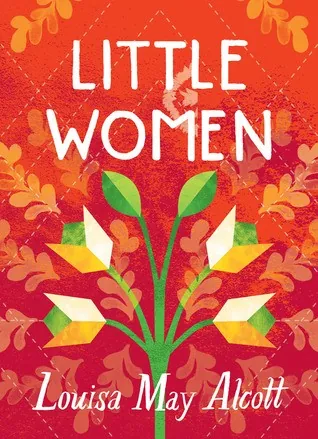
Little Women by Louisa May Alcott
For readers who want the inner strength theme in its fullest family form, Little Women is the essential book. The four March sisters grow up in poverty - the ambitions, the sacrifices, the becoming - and the novel is the great American story of character built in adversity.
The book shares A Little Princess’s conviction that character is the true wealth: the March family is poor and rich at once. For readers who loved Sara’s refusal to be diminished, the March sisters are the family version of the same refusal.
Content notes: A gentle classic, suitable for readers of all ages.
Anne of Green Gables by L. M. Montgomery
For readers who want the imagination-as-strength theme in its warmest form, Anne of Green Gables is the book. The orphan Anne Shirley arrives at Green Gables with an overflowing imagination, and her wonder transforms the Cuthbert household and the whole town of Avonlea.
The book shares A Little Princess’s core belief - that the inner world is a form of strength - but delivers it as comedy rather than ordeal. For readers who loved Sara’s imagination, Anne is the girl who gets to be happy with hers.
Content notes: A gentle classic, suitable for readers of all ages.
The Novels of Kindness
Heidi by Johanna Spyri
For readers who want the kindness-wins theme in its purest form, Heidi is the book. The orphan Heidi is sent to her grandfather in the Swiss Alps, and her warmth transforms the old man, the village and later a wealthy household in the city - because her kindness is irresistible.
The book shares A Little Princess’s shape: the child whose character transforms everyone around her. For readers who loved Sara’s effect on those who mistreated her, Heidi is the Alpine version of the same story.
Content notes: A gentle classic, suitable for readers of all ages.
The Little Prince by Antoine de Saint-Exupéry
For readers who want the inner-world theme as a meditation, The Little Prince is the book. The pilot stranded in the desert meets a prince from a tiny asteroid, and the book is a reflection on seeing with the heart - the invisible things that matter most.
The book shares A Little Princess’s conviction that the real world is the inner one, but delivers it as philosophy rather than story. For readers who loved Sara’s secret world, this is the grown-up articulation of the same truth.
Content notes: A gentle classic, suitable for readers of all ages.
The Novels of Character Tested
Jane Eyre by Charlotte Brontë
For readers who want the inner-strength theme with the most steel in it, Jane Eyre is the essential book. The orphan Jane, poor and plain and fiercely principled, makes her way through cruelty and hardship to a hard-won independence - and the book is the great novel of the inner life.
The two books are companions across the century: Sara and Jane both keep their character through every humiliation, and both are finally recognized. For readers who loved Sara’s fierce inner world, Jane is the adult version.
Content notes: A classic novel with some dark passages; for mature readers.
A Tree Grows in Brooklyn by Betty Smith
For readers who want the inner-strength theme in a realistic modern setting, A Tree Grows in Brooklyn is the book. Francie Nolan grows up in poverty in early twentieth-century Brooklyn, and the novel is the record of her resilience - the books, the dreams, the refusal to be diminished by circumstance.
The book shares A Little Princess’s subject - character built in adversity - without the fairy-tale ending. For readers who loved Sara and are ready for the harder, more realistic version of her story, this is the book.
Content notes: A classic novel dealing with poverty; for readers from the mid-teens up.
How to Choose Your Next Read
The right next book depends on what you are ready for. If you want more Burnett: The Secret Garden. If you want the inner strength in family form: Little Women. If you want the imagination as comedy: Anne of Green Gables. If you want the kindness that wins: Heidi. If you want the philosophy: The Little Prince. If you want the steel version: Jane Eyre. If you want it realistic: A Tree Grows in Brooklyn.
There is no wrong order, but there is a sensible one: start with The Secret Garden for the same author, then Little Women for the family, then Jane Eyre when you are ready for the adult version, and let the others fill in as you go.
The Inner World as a Practice
There is a reason A Little Princess has been loved for over a century, and it is worth naming because it explains what the shelf is really for. Sara’s secret is not magic; it is a practice. She keeps her imagination alive by using it - by telling the stories, playing the games, pretending with such attention that the pretending becomes a way of seeing. The reader who finishes the book and wants to keep the feeling is being invited to practice the same attention: to notice the world closely enough that it becomes rich, to keep the inner world tended even when the outer world is thin.
The books on this shelf are companions to the practice. Anne of Green Gables shows the practice as joy; Heidi shows it as warmth; Jane Eyre shows it as steel. Each is a different demonstration of the same truth - that the inner world is not a refuge from life but the ground of it - and each is useful at a different moment of a reader’s life. The reader who practices the attention carries Sara’s secret into ordinary life, and the ordinary becomes the kingdom - not because the world has changed but because the seeing has. That is the whole of the book’s magic, and it is available to every reader who finishes it.
The Values the Shelf Carries
A Little Princess is, at its core, a book about values in action - the inner strength that cannot be taken away, the kindness that Sara practices even to those who mistreat her, the imagination as a form of resilience. It belongs on the relationships shelf alongside the guides that explore those values directly. Our thoughtful guide to marriage and commitment walks through the value of character - the love that is chosen and kept, the commitment that survives testing - and it pairs naturally with this reading, because Sara’s story is a demonstration of exactly what the guide describes: the inner world as the ground of every lasting bond.
The shelf also connects to the family themes, in a specific way: the book’s deepest subject is the family that is found rather than born - Sara’s father, her friends, the community that finally recognizes her. Our guide to parents and children explores the bonds that A Little Princess shows being formed across its pages, and it belongs with this reading because Sara’s story is a study in the care that makes a family, whether born or chosen. Together these guides frame the fiction, and the fiction makes the guides feelable.
Conclusion
A Little Princess has been loved for over a century because it makes the case that character is the true wealth - the inner world that cannot be taken away, the kindness that wins in the end, the imagination that turns a garret into a kingdom. The books on this list are the honest responses to the question it leaves behind: what next?
The garden of The Secret Garden, the sisters of Little Women, the wonder of Anne of Green Gables, the kindness of Heidi, the philosophy of The Little Prince, the steel of Jane Eyre, and the realism of A Tree Grows in Brooklyn - together they carry the same truth in different voices: the inner world is the real one, and character is the point. Read the notes, choose where you are, and let the books take their time.
Frequently Asked Questions
What should I read after A Little Princess?
Is The Secret Garden like A Little Princess?
What is the main theme of A Little Princess?
Are there books like A Little Princess for adult readers?
Which book is the closest in spirit to A Little Princess?
Are these books suitable for the whole family?
Featured Recommendations


Raining Book Editorial Team
The Raining Book editorial team curates the best book recommendations and reading guides for every type of reader.