Books Like The Guernsey Literary and Potato Peel Pie Society

There is a specific feeling that comes from finishing The Guernsey Literary and Potato Peel Pie Society: the feeling of having been part of a community that carried each other through the worst of times. Mary Ann Shaffer and Annie Barrows’ novel - the letters between writer Juliet Ashton and the members of the Guernsey Literary and Potato Peel Pie Society, born as an alibi during the German occupation and become a lifeline - has been loved by readers around the world because it celebrates the power of books and community to sustain the human spirit. The problem after finishing it is the one every great book creates: you want more of the feeling - the letters, the community, the resilience. This guide collects the books that genuinely belong on that shelf.
What Made The Guernsey Literary Society Special
Before the recommendations, it is worth naming what you are actually looking for, because the right next book depends on which part of the book stayed with you.
If the letters stayed with you - the voices, the intimacy, the story told in fragments - then the epistolary novels will fit. If the wartime community stayed with you - the occupation, the resilience, the society that carried each other - then the wartime novels will be your natural next step. And if the book-loving heart stayed with you - the celebration of reading, the community formed around stories - then the bookish novels will carry it forward. Most readers are looking for all three, and the books below cover the range.
The Epistolary Novels
84, Charing Cross Road by Helene Hanff
If there is one book that the Guernsey reader should pick up next, it is 84, Charing Cross Road. The real-life correspondence between writer Helene Hanff in New York and the staff of a London bookshop spans two decades - and the book is a warm, funny, deeply moving record of a friendship conducted entirely in letters.
The two books are siblings: the intimacy of the letter form, the community built across distance, the love of books at the center. Where Guernsey’s letters are forged in wartime, Charing Cross Road’s are forged in peacetime - and both prove that letters can build the deepest connections.
Content notes: A warm classic, suitable for readers of all ages.
Where the Crawdads Sing by Delia Owens
For readers who want the letter form used to powerful effect in a modern novel, Where the Crawdads Sing is the book. The novel interweaves the story of Kya, the abandoned girl of the marsh, with a murder investigation - and its use of letters at the end is one of the most discussed revelations in recent fiction.
The book shares Guernsey’s belief in the power of written words to connect and to transform, delivered in a very different register. For readers who loved the letters and are ready for a deeper mystery, this is the book.
Content notes: Deals with isolation and a murder investigation; for readers from the mid-teens up.
The Wartime Novels
The Book Thief by Markus Zusak
For readers who want the wartime celebration of books in its fullest form, The Book Thief is the essential book. Liesel Meminger, a girl in Nazi Germany, steals books and shares them - and the novel, narrated by Death itself, is a testament to the power of words to sustain the human spirit in the darkest times.
The book shares The Guernsey Literary Society’s two great themes - the community that carries each other through occupation, and the books that make the carrying possible. For readers who loved the society, Liesel is the deeper, darker version of the same story.
Content notes: Deals with the Holocaust and wartime violence; for readers from the mid-teens up.
The Diary of a Young Girl by Anne Frank
For readers who want the wartime voice in its most authentic form, The Diary of a Young Girl is the essential book. Anne Frank’s diary, written while she and her family hid from the Nazis in Amsterdam, is the most famous record of the war’s human cost - and one of the most luminous testaments to the resilience of the human spirit.
The book shares Guernsey’s wartime setting and its insistence on the human beings beneath the history. For readers who loved the voices of the society, Anne’s voice is the one that must not be forgotten.
Content notes: Deals with the Holocaust; for readers from the mid-teens up, with discussion.
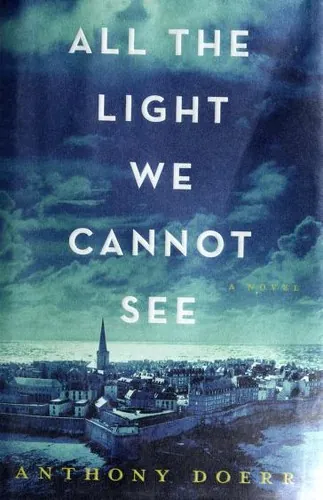
All the Light We Cannot See by Anthony Doerr
For readers who want the wartime story with the most literary craft, All the Light We Cannot See is the book. The novel weaves together the stories of Marie-Laure, a blind French girl, and Werner, a German boy, across the war - and it is a meditation on the light people carry through the darkness.
The book shares Guernsey’s wartime setting and its concern with the human beings beneath the history, delivered with extraordinary prose. For readers who loved the society and want the literary version of the war’s human story, this is the book.
Content notes: Deals with wartime violence; for readers from the mid-teens up.
The Bookish Novels
The Little Paris Bookshop by Nina George
For readers who want the book-loving heart of Guernsey in a modern novel, The Little Paris Bookshop is the book. Monsieur Perdu, a bookseller who prescribes novels like medicine, sets out on a journey down the Seine - and the novel is about the books that heal and the connections they make possible.
The book shares Guernsey’s belief in the power of books to sustain and connect people. For readers who loved the literary society, the bookshop is the modern, French version of the same community.
Content notes: A warm novel, suitable for readers from the mid-teens up.
How to Choose Your Next Read
The right next book depends on what you are ready for. If you want the letters: 84, Charing Cross Road. If you want the wartime celebration of books: The Book Thief. If you want the wartime voice: The Diary of a Young Girl. If you want the literary wartime novel: All the Light We Cannot See. If you want the bookish warmth: The Little Paris Bookshop.
There is no wrong order, but there is a sensible one: start with 84, Charing Cross Road for the same letters, then The Book Thief for the same wartime heart, then the others as you go.
The Book Club as the Society
There is one more thing worth naming about the Guernsey shelf, and it is the most fitting of all: these are books that create literary societies of their own. The novel’s subject is a group of people brought together by books, and the reader who finishes it is often moved to do the same - to start the club, to join the reading group, to find the people who will carry each other through the next hard season.
The books on this list are perfect for the purpose. They are made to be discussed - the letters invite response, the wartime stories invite reflection, the community invites the reader in. A book club that reads the Guernsey Literary Society is practicing what the novel preaches: the group of people who read together, who carry each other, who find in the shared story a version of the society itself. For readers who loved the society in the novel, the society of readers is the natural continuation, and the club is the point made real. The shelf is not finished when the book is finished; it is finished when the conversation has begun.
It is also worth saying who the shelf is for, because it is wider than it first appears. The obvious reader is the lover of historical fiction - but the deeper reader is the one who needs the book’s reminder: that community is built, not found, and that books are one of the surest ways to build it. The Guernsey Literary Society and its companions are books to give to the person who feels alone in their reading - because they argue, better than any advice, that the reader who shares the story is never alone for long. The gift of the shelf is the gift of the argument, and the argument is for everyone who has ever finished a book and wished they had someone to talk to about it.
The Values the Shelf Carries
The Guernsey Literary Society is, at its core, a book about values in action - the community that carries each other through the worst of times, the loyalty of the society’s members, the healthy relationships that grow from shared resilience. It belongs on the relationships shelf alongside the guides that explore those values directly. Our guide to family-friendly parents and children walks through the value of carrying each other - the community that Guernsey’s members practice, the care that sustains people through hardship - and it pairs naturally with this reading, because the novel is a demonstration of exactly what the guide describes.
The shelf also connects to the family themes, in a specific way: the book’s deepest subject is the family that a community becomes - the society whose members choose each other and would do anything for each other. Our guide to meaningful sibling relationships explores the bonds that the novel shows being built across its pages, and it belongs with this reading because the society is a study in the loyalty that makes a family of friends. Together these guides frame the fiction, and the fiction makes the guides feelable.
Conclusion
The Guernsey Literary and Potato Peel Pie Society has been loved around the world because it celebrates the power of books and community to sustain the human spirit - the letters, the society, the resilience, the community that carried each other through the occupation. The books on this list are the honest responses to the question it leaves behind: what next?
The letters of 84, Charing Cross Road, the wartime heart of The Book Thief, the voice of Anne Frank, the craft of All the Light We Cannot See, and the warmth of The Little Paris Bookshop - together they carry the same truth in different voices: books build community, community carries us, and the carrying is the point. Read the notes, choose where you are, and let the books take their time.
Frequently Asked Questions
What should I read after The Guernsey Literary and Potato Peel Pie Society?
Is The Book Thief like The Guernsey Literary Society?
What is the main theme of The Guernsey Literary and Potato Peel Pie Society?
Are there other epistolary novels like this one?
Which book is the closest in spirit to The Guernsey Literary Society?
Are these books suitable for all readers?
Featured Recommendations


Raining Book Editorial Team
The Raining Book editorial team curates the best book recommendations and reading guides for every type of reader.