Books Like The Sweetness at the Bottom of the Pie
There are child detectives, and then there is Flavia de Luce. Eleven years old, obsessed with chemistry, armed with a bicycle, a laboratory in the attic, and a complete disregard for what anyone thinks a child can do, Flavia is one of the great comic creations of modern fiction - and The Sweetness at the Bottom of the Pie, the book that introduced her, is a mystery of unusual charm and depth.
The setup is pure golden-age: a crumbling English manor in 1950, a village full of secrets, a dead man in the cucumber patch. But the execution is entirely Flavia’s. She is precocious, vindictive toward her older sisters, devoted to her absent-minded father, and utterly convinced that she is the best detective in England - a conviction the book, gloriously, keeps confirming. If you have finished the book and want more of that voice, here is where to look.
If You Loved Flavia: Precocious Detectives with Unforgettable Voices
The engine of the book is Flavia’s narration - arch, funny, chemically precise, and completely serious. These books have narrators with the same confidence.
The Westing Game (Ellen Raskin)
A very different book with a very similar spirit. Ellen Raskin’s Newbery winner drops sixteen heirs into an apartment building and a will that turns out to be a puzzle, and the star - Turtle Wexler, the youngest heir, who everyone underestimates - is Flavia’s American cousin: sharp, stubborn, and absolutely certain that she can solve what the adults cannot. The book trusts its readers completely, gives them every clue, and lands an ending that reframes everything. Like Flavia’s book, it is a mystery that rewards re-reading enormously.
The Mysterious Benedict Society (Trenton Lee Stewart)
The four children who make up the Benedict Society - Reynie, Sticky, Kate, and Constance - are all, in their own ways, Flavia’s kin: brilliant, underestimated, and called to solve problems the adults cannot. Constance, in particular, shares Flavia’s combination of brilliance and belligerence; she is the youngest and the most stubborn, and her gifts arrive at the worst possible moments. The series is built on the same delight in competence that makes Flavia’s book so satisfying, and it adds a puzzle-box plot that rewards careful reading.
The London Eye Mystery (Siobhan Dowd)
Ted’s brain works differently - he thinks in weather systems and notices patterns nobody else sees - and when his cousin Sal disappears from a sealed pod of the London Eye, he is the only one who believes he can figure out what happened. The book is narrated in Ted’s precise, funny, literal voice, and the solution is a genuine logical puzzle. Like Flavia, Ted is a narrator who sees the world more clearly than the adults around him - not despite his difference but because of it.
If You Loved the English Manor: Houses Full of Secrets
Buckshaw, the de Luce family home, is a character in its own right: a crumbling pile full of wings, attics, and decades of family history. The books in this group are set in houses with the same power.
The Secret Garden (Frances Hodgson Burnett)
The classic ancestor of every book about a house with secrets: Mary Lennox arrives at Misselthwaite Manor, a vast Yorkshire estate full of locked rooms and hidden gardens, and the book is about what she finds when she starts opening doors. The connection to Flavia’s world is exact - the manor, the servants, the buried family history - and Burnett’s book shares Flavia’s conviction that children can see what adults have chosen to ignore.
The Westing Game (Ellen Raskin)
The apartment building in Raskin’s book is a house of secrets of a different kind: sixteen heirs, one building, and a puzzle that runs through every room. Like Buckshaw, the building is a character - its corridors, its kitchen, its strange residents - and the mystery cannot be solved without understanding the building itself. It is the perfect bridge between the English manor tradition and the modern puzzle mystery.
Greenglass House (Kate Milford)
Milo’s family runs a smuggling inn - a house where guests arrive with secrets and leave with deliveries - and when five unusual guests arrive during winter break, Milo must play a role to uncover what they are really doing. The book is built on roleplaying games, disguises, and layered puzzles, and the solution reaches all the way back to the beginning of the story. Like Buckshaw, Greenglass House is a building that withholds its history until you are ready to hear it.
If You Loved the 1950s Setting: Postwar England in Fiction
The period detail of Flavia’s world - the rationing, the bicycles, the village life, the echoes of the war - is one of the book’s quiet pleasures. These books share the setting.
The Guernsey Literary and Potato Peel Pie Society (Mary Ann Shaffer and Annie Barrows)
A novel told entirely in letters, set in the aftermath of the war on the island of Guernsey: a writer begins corresponding with the members of a book club that was invented in 1941 as an excuse to break curfew, and the letters reveal the island’s story - occupation, resistance, loss, and the books that kept people alive. It is the same England (and its near neighbors) that Flavia knows - the England that carried the war into peacetime - and it shares the same love of village life and its secrets.
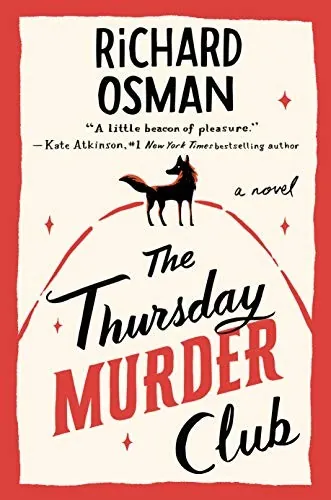
The Thursday Murder Club (Richard Osman)
A different postwar England, but the same England: Osman’s retirement village is full of people who lived through the war and its aftermath, and their memories are the key to the mystery. The book is a cozy in the best sense - warm, funny, and humane - and it shares Flavia’s world’s conviction that the past is never really past.
If You Loved the Hidden Pasts: Family Secrets That Won’t Stay Buried
The mystery at the heart of Flavia’s book is her father’s secret - a past that reaches back to the war and refuses to stay buried. These books are built around the same discovery: the people we think we know are carrying histories we never suspected.
The Parker Inheritance (Varian Johnson)
Candice finds a letter in her grandmother’s attic that sets her and her friend Brandon on a hunt for a fortune in their South Carolina town - a hunt that reaches back to a 1950s mystery involving a tennis player, a librarian, and an injustice that was never corrected. The puzzle is layered and fair, and the answer to the present-day mystery is bound up with the town’s history. Like Flavia’s book, it is a mystery about family secrets and the long reach of the past, with the added weight of a reckoning with American history.
From the Mixed-Up Files of Mrs. Basil E. Frankweiler (E. L. Konigsburg)
Claudia and Jamie run away to live in the Metropolitan Museum of Art, and while they are there they discover a small angel statue that may be a lost Michelangelo. The mystery is a research puzzle - is the angel real? - and the answer turns out to be less important than what the search does to the children. The book’s quiet subject is the same as Flavia’s: what children discover when they stop asking adults for permission.
The Book Thief (Markus Zusak)
A very different book, but one that shares Flavia’s understanding that the past is always alive. Narrated by Death himself, The Book Thief follows Liesel Meminger through Nazi Germany, where she steals books and shares them with her neighbors - acts of defiance that keep a small community alive through the worst of times. It is darker than anything on this list, but its subject is the same: the stories we carry, the secrets we keep, and the way the past shapes everything that comes after.
If You Loved the Cozy Mystery: Warmth with Teeth
Flavia’s book is a cozy mystery in the best sense: village setting, amateur detective, no graphic darkness - but real intelligence and real stakes. These books share that balance.
The No. 1 Ladies’ Detective Agency (Alexander McCall Smith)
Precious Ramotswe, Botswana’s first female private detective, solves cases that are mostly about people’s hearts. She has no laboratory and no grand method; she has patience, intuition, and the belief that listening is a form of action. The tone is warmer than Flavia’s - Ramotswe is kind where Flavia is waspish - but the conviction is the same: that understanding people is the key to understanding everything.
The Thursday Murder Club (Richard Osman)
The four retirees of Coopers Chase solve cold cases for fun and then a real murder arrives, and the book’s pleasure is watching them work: Elizabeth’s past, Joyce’s diary, Ibrahim’s precision, Ron’s complete lack of filter. It is a cozy with real craft - the mystery is properly built, the solution is fair, and the characters are so delightful that you will want to stay in the village forever.
The Art of the Comforting Mystery
Part of what makes Flavia’s book so beloved is the way it balances its elements: a real mystery with real stakes, wrapped in a setting so cozy you want to move in. Buckshaw has its drafts and its dust, but it also has its library, its gardens, and its fiercely independent residents; the village has its gossips and its secrets, but it also has its rhythms - church bells, bicycle bells, the slow turning of the seasons. The book belongs to a tradition that understands mystery as a form of comfort: the world is out of order, a crime has disturbed it, and the pleasure of the story is watching order restored - not by the police, but by an eleven-year-old with a chemistry set and an unshakable belief in her own brilliance. The best cozies never cheat on either side: the mystery is real enough to engage you, and the comfort is real enough to soothe you. Flavia’s books, like the others on this shelf, manage both, which is why they are the kind of books readers press into other people’s hands with the same confidence Flavia brings to her investigations - and why the series has grown from one novel into a shelf of its own, each one waiting to be opened like a door into Buckshaw’s strange, delightful world.
Building Your Own Laboratory: A Reading Order
Here is a suggested path that moves from the closest match outward:
- Start with The Westing Game for the sharpest young detective.
- Move to The Mysterious Benedict Society for the team of precocious kids.
- Try The Guernsey Literary and Potato Peel Pie Society for the postwar England.
- Pick up The Parker Inheritance for the family secret with historical depth.
- End with The Thursday Murder Club when you want the cozy with the same warmth.
For more mysteries in this spirit, our family-friendly fiction themes and values guide explains what makes these stories work for readers of every age, and our family-friendly books without explicit content list gathers more gentle mysteries with real substance. The stories section of our site is full of guides like this one, so there is always another case to solve.
The Case of the Unstoppable Child
Flavia de Luce works because she is a fantasy of competence: the child who is taken seriously, who sees what the adults miss, who solves the case while the police fumble. The books that follow in her wake - from Turtle Wexler to the Benedict Society - are all selling the same dream, and it never gets old. There is something profoundly satisfying about a story in which the smallest person in the room turns out to be the sharpest, and The Sweetness at the Bottom of the Pie delivers that satisfaction with more wit and charm than almost anything else in modern fiction. Flavia is eleven, she is brilliant, and she is never going to let anyone forget it. Neither will you.
Frequently Asked Questions
What makes a book similar to The Sweetness at the Bottom of the Pie?
Which book is closest to The Sweetness at the Bottom of the Pie?
Are there other books like The Sweetness at the Bottom of the Pie for younger readers?
What should I read after The Sweetness at the Bottom of the Pie?
Is The Sweetness at the Bottom of the Pie suitable for all readers?
Where can I find more clean reads like this?
Featured Recommendations



Raining Book Editorial
The Raining Book editorial team curates the best book recommendations and reading guides for every type of reader.