Books Like The Thursday Murder Club

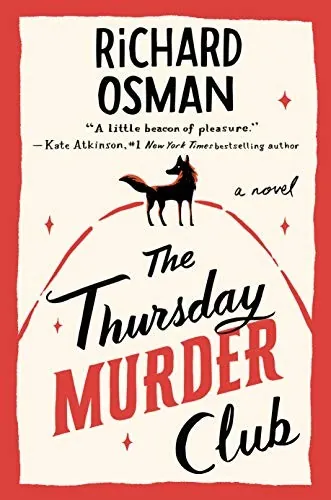
Richard Osman’s The Thursday Murder Club was a phenomenon for a reason. Four retirees in a posh English retirement village - Elizabeth, Joyce, Ibrahim, and Ron - meet weekly to solve cold cases, and then a real murder lands in their lap. The book is funny, warm, and surprisingly moving, and its central trick is radical: it assumes old people are interesting. Its heroes are smart, mischievous, and completely unbothered by what anyone thinks of them. They are also, in their own way, formidable - the kind of people you would want on your side in a crisis.
The books that follow in its wake share that spirit. Here is a guide to the cozy-but-sharp mysteries that deliver the same pleasures, organized by what you loved most.
If You Loved the Characters: Unlikely Detectives with Unlikely Wisdom
The Thursday Murder Club is not a mystery about procedure; it is a mystery about people. The detectives are its whole point - their friendships, their histories, their cheerful refusal to be written off. These books put equally wonderful people at the center.
The Marlow Murder Club (Robert Thorogood)
Robert Thorogood - creator of the Death in Paradise TV series - wrote The Marlow Murder Club with the same premise as Osman: an unlikely trio of amateur detectives. Judith, a crossword setter who swims naked in the Thames at dawn; Suzie, a dog walker who drinks a lot of white wine; and Becks, a vicar’s wife who is desperate to loosen up. When Judith witnesses a murder from her garden, the three of them decide the police need help, whether they want it or not.
The trio’s dynamic is the book’s engine: Judith is gloriously unapologetic, Suzie is earthy and warm, and Becks is discovering a side of herself she had buried. It is funnier than Osman in places and just as warm, and the mystery is properly constructed with a fair solution. The sequel, The Queen of Poisons, keeps the same energy.
The Thursday Murder Club, Read Again for the Friendships
On a re-read, the mystery almost stops mattering. What you notice instead is the craft of the friendships: the way Elizabeth’s past is parceled out in crumbs, the way Joyce’s diary entries reveal her quietly steel core, the way Ibrahim’s vulnerability after the attack in the second book changes the whole group’s temperature. Osman writes the way good detectives investigate - he shows you everything, and the pattern only emerges when you step back. The books are cozy on the surface and unexpectedly deep underneath, and re-reading them is how you see the depth.
The No. 1 Ladies’ Detective Agency (Alexander McCall Smith)
The comparison to Osman is almost too easy - McCall Smith’s Mma Precious Ramotswe is another amateur detective whose real skill is understanding people - but the books could not be more different in texture. Where Osman is wry and plot-driven, McCall Smith is gentle and philosophical. Precious Ramotswe, Botswana’s first female private detective, solves cases that are mostly about people’s hearts: a missing husband, a wayward daughter, a deception that turns out to be kindness. The mysteries are small, and that is the point.
The book’s great gift is its worldview: kind without being naive, wise without being preachy. If you loved the way the Thursday Murder Club members understand each other - the way they can see past the surface of a person - you will love Ramotswe, who does it for a living.
If You Loved the Setting: The English Village Mystery, Updated
Osman’s Coopers Chase is a specific and delicious setting: a luxury retirement village with its own gossip network, its own rivalries, and its own secrets. It is the English village mystery - the genre Agatha Christie perfected - updated for the twenty-first century, with the same closed community and the same sense that everyone knows everyone’s business.
The Appeal (Janice Hallett)
Janice Hallett’s The Appeal is the most formally inventive mystery of the decade: a murder in a small English town, told entirely through emails, text messages, and WhatsApp threads among the members of a local amateur dramatics society. The reader is given the whole file - every message, every attachment, every telling pause - and challenged to solve the case before the lawyers who are reviewing it.
It is the ultimate fair-play mystery: everything is in front of you, and the solution is findable if you pay attention to the right messages. It also captures the modern English village perfectly - the way a community that seems united on the surface is actually a web of alliances, grudges, and carefully maintained fictions. The Thursday Murder Club is about a community of retirees; The Appeal is about a community of theater people, and the delight is the same: watching a closed world reveal itself.
The Thursday Murder Club and the Christie Connection
It is worth being explicit: Osman is writing in a tradition that Agatha Christie perfected, and the retirement village is his version of the vicarage, the country house, the train carriage - a closed community where everyone has motive and nobody is quite what they seem. The books honor that tradition while updating it: the residents of Coopers Chase are not victims waiting to be saved but agents with their own agendas, their own skills, and their own secrets. If you loved the village setting, the Christie backlist is the deep well it draws from - and The Murder of Roger Ackroyd remains the single most audacious puzzle in the genre.
The Windsor Knot (S.J. Bennett)
S.J. Bennett’s series has the most delightful premise in cozy crime: the Queen herself solves mysteries. The Windsor Knot finds Her Majesty quietly investigating a death at Windsor Castle - a death the palace wants written off as an accident - with the help of her assistant private secretary, Rozie. The Queen is portrayed with affection and accuracy: observant, discreet, endlessly curious, and entirely aware that people underestimate her.
It is a lovely premise executed with real craft, and it captures the same pleasure as Osman’s books: watching someone everyone dismisses turn out to be the sharpest person in the room. The Queen of the books is not unlike Elizabeth of the Thursday Murder Club - a woman of a certain age with a past and a talent for getting people to tell her things.
If You Loved the Tone: Funny Mysteries That Are Actually Funny
The Thursday Murder Club is genuinely funny - not “funny for a mystery” but laugh-out-loud funny, with Joyce’s diary entries and Ron’s complete lack of filter. Comedy is hard to sustain in a murder mystery, and these books manage it.
Everyone in My Family Has Killed Someone (Benjamin Stevenson)
Benjamin Stevenson’s book is a locked-room mystery told by Ernest Cunningham, a member of a family reunion where - as the title promises - everyone has killed someone. The narration is the star: Ernest speaks directly to the reader, explains the rules of the genre (a mystery has rules, and he will follow them), and delivers the funniest running commentary in modern crime fiction. It is meta, playful, and genuinely moving by the end.
The book is a love letter to the genre - it references Christie and the greats, and its structure is a rigorous exercise in fair-play mystery - but its voice is completely contemporary. If you loved Osman’s narrators, you will love Ernest, who is even more unreliable and twice as funny.
The Thursday Murder Club, as a Comedy
The second book in the series, The Man Who Died Twice, is where Osman’s comic voice is at its most confident: a stolen diamond, a letter from the past, Elizabeth’s nemesis turning up in the village, and a body count that keeps climbing while the jokes keep landing. The set pieces - the nursing-home heist, the confrontation in the garden - are staged with a comedian’s timing, and the book’s emotional beats land because the comedy has earned your trust. For readers who loved the humor, the whole series is the recommendation; it gets funnier as it goes.
If You Loved the Emotional Depth: Mysteries That Make You Feel
Underneath the jokes and the puzzles, the Thursday Murder Club books are about loss, aging, friendship, and the refusal to go gently. These books carry similar weight.
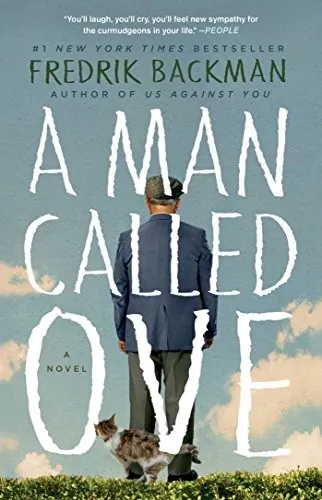
A Man Called Ove (Fredrik Backman)
Not a mystery at all - but the tonal ancestor of the Thursday Murder Club in an important way. Ove is a grumpy old man who has decided to die, and the book is about how a neighborhood - a cat, a pregnant woman, a series of increasingly absurd interruptions - keeps pulling him back into life. Backman’s book is funny and devastating in equal measure, and its portrait of an old man’s inner life is the emotional template for everything Osman does with his retirees.
If your favorite parts of the Thursday Murder Club were the moments when the humor drops away - Joyce’s loneliness, Ibrahim’s fear, the grief that Elizabeth carries - A Man Called Ove is the book that understands those feelings best.
The Thursday Murder Club, and the Courage of Its Themes
The series’ most daring choice is to take its characters’ mortality seriously. These are people who know they are at the end of their lives, and the books do not flinch from that: Joyce’s husband is dying, Ibrahim is attacked in the street, Elizabeth’s past catches up with her. The mysteries are, in a sense, a way of staying alive - of having something to do, someone to protect, a game worth playing. That is the deep subject of the books, and it is why they moved so many readers: they are comedies that understand grief and mysteries that understand life.
Building Your Own Club: A Reading Order
Here is a suggested path from the closest match outward:
- Start with The Marlow Murder Club for the most similar trio dynamic.
- Move to The Appeal for the puzzle-box mystery with a modern village.
- Try The No. 1 Ladies’ Detective Agency for warmth and wisdom.
- Pick up The Windsor Knot for the genteel-schemes energy.
- End with A Man Called Ove when you want the emotional depths without the body count.
The stories section of our site holds guides to mysteries, family stories, and every other kind of reading. Our best family-friendly fiction list is where to point younger readers who want books with heart and warmth, and our family-friendly fiction themes and values guide explains what makes those stories work for readers of every age.
A Note on the Series Order
If you are new to the Thursday Murder Club, it is worth knowing how the series grows. The first book, The Thursday Murder Club, introduces the four friends and the village; the second, The Man Who Died Twice, is where the series finds its full stride - a diamond, a letter, and a confrontation that tests the friendships the first book built. The third, The Bullet That Missed, deepens Elizabeth’s past, and the fourth, The Last Devil to Die, brings the emotional stakes of the series to their highest point, confronting the characters - and the reader - with loss in a way the earlier books only hinted at. The books reward reading in order, not because the mysteries require it but because the friendships do: each book is funnier and sadder than the last, and the cumulative effect is the real achievement. The companions on this list are one-offs or long-running series of their own - The Marlow Murder Club is a trilogy, The No. 1 Ladies’ Detective Agency runs to more than twenty volumes, and The Windsor Knot is the start of a series - so there is plenty of company to keep after the last Thursday meeting.
The Case for the Amateur
There is a reason the amateur detective keeps winning. Professionals have procedure; amateurs have curiosity. The Thursday Murder Club members investigate the way they do everything else - with enthusiasm, experience, and absolutely no respect for the rules. They have lived long enough to know what matters, and they are no longer afraid of anything, which is a kind of superpower. The books that follow them - Thorogood’s trio, McCall Smith’s Ramotswe, Bennett’s Queen - all understand that the best detectives are not the cleverest or the most qualified. They are the ones who notice, who care, and who refuse to let a good puzzle go unsolved. Long may they keep the club running.
Frequently Asked Questions
What makes a book similar to The Thursday Murder Club?
Which book is closest to The Thursday Murder Club?
Are there other books like The Thursday Murder Club for younger readers?
What should I read after The Thursday Murder Club?
Is The Thursday Murder Club suitable for all readers?
Where can I find more clean reads like this?
Featured Recommendations

Raining Book Editorial
The Raining Book editorial team curates the best book recommendations and reading guides for every type of reader.