A Thoughtful Guide to Civilizations and Culture
Introduction: The Largest Questions
The books about civilizations and culture ask the largest questions there are: How do human beings build worlds? Why do the worlds flourish, and why do they fall? And how does the world we inherit shape the people we become? These are not academic questions; they are the questions behind the news, the questions behind every institution and every argument. This guide explains what the best books on the subject are actually doing, how to choose among them and what to expect from them.
What the Best Books Are Doing
The great civilization books are doing one of three things, and knowing which helps the reader choose.
They are explaining the big pattern. Books like Guns, Germs, and Steel and Sapiens ask why the world is the way it is: why some societies developed power and technology while others did not, and how a single species came to dominate the planet. They are the books of the large view.
They are explaining the rise and fall. Books like Collapse and Why Nations Fail ask why societies succeed or fail: the environment, the institutions, the choices. They are the books of the diagnosis.
They are explaining the culture inside. Books like The Culture Map and The Geography of Thought ask how the way of life shapes the mind and the meeting: how cultures differ in thinking, communicating and trusting. They are the books of the everyday.
The reader who knows which question they are asking - the pattern, the fall, or the culture - can choose accordingly, and the book will reward the choice.
The Questions Behind the Books
Every civilization book is an answer to one of a handful of questions, and naming them makes the field navigable.
Why here and not there? The environmental question: why did the first civilizations arise where they did - the rivers, the climate, the resources - and why did power concentrate where it concentrated?
Why do they fall? The collapse question: what kills a civilization - the overreach, the environmental damage, the institutional decay - and is our own repeating the pattern?
Why nations fail? The institutional question: why do some societies share power and prosperity while others concentrate both - and what do the inclusive versus extractive institutions produce?
How does culture work? The cultural question: how do the beliefs and habits of a society shape the way its people think, work and trust - and how does the inheritance show up in the present?
The reader who knows their question can choose the book, and the books below map to the questions.
How to Choose a Book
Choosing well means choosing the scale and the register.
Choose the scale. Do you want the whole species (Sapiens), the whole history (The Story of Civilization), the single case (The Fall of Rome) or the single meeting (The Culture Map)? The scale determines the book.
Choose the register. The popular histories - Sapiens, Guns, Germs, and Steel, A Short History of Nearly Everything - are written for the general reader and accessible from around age fifteen upward. The scholarly works - Why Nations Fail, The Geography of Thought - are denser and best for committed readers. Choose the register that suits you.
Read the notes. Every book on our lists carries an honest content note, because the subject includes the cruelties of history. Read the notes, and you will not be surprised.
The Themes and Values of the Category
The best books on civilizations and culture carry a consistent set of themes, and they are what the category is really for.
The environment as the foundation. The books agree that societies are built on geography - the rivers, the climate, the resources - and that the environment explains more of history than the heroes do.
The institution as the engine. The books agree that what makes a society flourish or fail is its rules - the institutions that distribute power, wealth and justice - and that the institution is the unit of history.
The culture as the inheritance. The books agree that culture is the operating system of a society: the beliefs and habits we inherit shape how we think, work and trust, and understanding the inheritance is the beginning of understanding the world.
Content Notes: What to Expect
The honest reading note for the category is this: civilizations are built and destroyed by human beings, and the record includes the cruelties - war, conquest, slavery, collapse. The strongest books do not flinch, and none are gratuitous - the weight is historical. The popular histories are accessible from around age fifteen upward; the scholarly works are best for committed readers from around age seventeen. For readers who want the big questions at a gentler register, our family-friendly civilizations and culture offers the door, and our no-spice romance reading list extends the gentle shelf for readers who want the same care in fiction.
The Common Mistakes New Readers Make
The category has a few well-worn mistakes, and naming them saves the reader a season of frustration.
Starting with the densest book. The reader who begins with Why Nations Fail or The WEIRDest People in the World often stops; the reader who begins with Sapiens usually continues. The popular histories are not lesser - they are the doors, and the scholarly works are the rooms beyond.
Reading one book and assuming it is the field. The reader who reads only Guns, Germs, and Steel believes the environment explains everything; the reader who reads only Why Nations Fail believes the rules do. The field is the conversation between the books, and the single-volume view is always a partial view.
Skipping the notes. The subject includes the cruelties of history, and the reader who skips the honest content notes can be genuinely surprised. The notes are there to make the reading safe and well-chosen - read them first, and the book will not surprise you wrongly.
Reading for facts instead of frameworks. The reader who reads for dates and names retains the dates and names; the reader who reads for the lens - the environment, the institutions, the culture - retains a way of seeing that organizes every headline for the rest of their life. The frameworks are the point, and the facts are the furniture.
A Reading Plan for Every Kind of Reader
For the first-time reader, start with Sapiens - the most accessible book of the big picture.
For the reader who wants the pattern, start with Guns, Germs, and Steel.
For the reader who wants the fall, start with Collapse, then Why Nations Fail.
For the reader who wants the culture in action, start with The Culture Map.
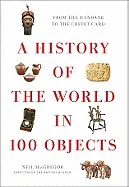
For the reader who wants the whole history, start with A History of the World in 100 Objects.
For the reader who wants the stories the cultures tell, our world literature guide extends the shelf from the analysis of cultures to their own voices.
A Closer Look: The Books Themselves
The guide is more useful when it names the actual books, so here is the shelf in brief - the essential titles, what each one argues and who each one suits.
Sapiens: A Brief History of Humankind by Yuval Noah Harari (2011) argues that what made our species dominant was the ability to share fictions - money, nations, religions, corporations - that let strangers cooperate at enormous scale. It is the most accessible book of the big picture and the best first purchase.
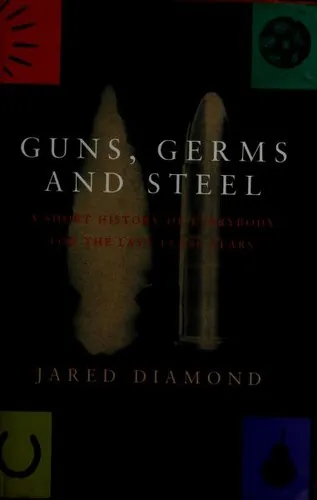
Guns, Germs, and Steel: The Fates of Human Societies by Jared Diamond (1997) argues that geography - the east-west axis, the domesticable plants and animals - explains why some societies developed power and technology while others did not. It is the essential statement of the environmental argument and a Pulitzer Prize winner.
Collapse: How Societies Choose to Fail or Succeed by Jared Diamond (2005) applies the same lens to the fall itself: Easter Island, the Greenland Norse, the Maya - societies that destroyed their own foundations and could see it coming. The subtitle is the thesis: societies choose, and the choices are visible in advance.
Why Nations Fail: The Origins of Power, Prosperity, and Poverty by Daron Acemoglu and James Robinson (2012) argues that the difference between flourishing and failing societies is the rules - inclusive institutions that share power and prosperity versus extractive ones that concentrate both. It is the essential statement of the institutional argument and the densest of the popular titles.
The Culture Map: Breaking Through the Invisible Boundaries of Global Business by Erin Meyer (2014) brings the field down to the meeting: eight scales on which cultures differ in communicating, evaluating, leading and trusting. It is the most practical book on the shelf - the one that pays for itself in a single international project.
The Geography of Thought: How Asians and Westerners Think Differently… and Why by Richard E. Nisbett (2003) goes deeper: the argument that intellectual traditions produce measurable differences in habits of attention. It is the book for the reader who wants the culture inside the mind.
How the Field Keeps Changing
The civilization shelf is not finished, and knowing where it is moving helps the reader choose what is next. The newest wave - Joseph Henrich’s The WEIRDest People in the World (2020) - turns the lens on the West itself, arguing that Western psychology is not the default human condition but a peculiar outlier shaped by the Church’s marriage rules and kinship disruption. The wave after that is the digital question: what the internet, the algorithm and the attention economy are doing to the institutions and cultures of the present. The books of the next decade will ask the old questions about the newest world, and the reader who has learned the frameworks from the books above will be ready for them. The field keeps changing because the subject keeps changing - that is what makes it the most alive shelf on the site.
Conclusion: The World You Live In
The books about civilizations and culture are the books that explain the world you live in: how it was built, why it stands, and what could make it fall. Their questions are the largest ones, and their answers are the work of the best minds. Choose the question that calls to you, choose the scale and the register, read the notes - and let the book show you how the world was made. For the full collection of reading paths, start at the Worlds section of our site.