Best Books About War and Peace by Kristin Hannah
Introduction: The War from the Women’s Side
Kristin Hannah is the author of some of the most beloved novels of the century - the American writer whose The Nightingale (2015), the story of two sisters in occupied France, became a worldwide phenomenon. This guide maps Hannah’s books on war and peace, the themes that make her writing cohere, and the companions for when you want more.
The Hannah Books in Reading Order
The Nightingale (2015) is the essential Hannah, and the book that made her famous. It is the novel of the Second World War told from the women’s side: Vianne, who stays in her village under the occupation and protects the children of the war; and Isabelle, who joins the resistance and leads downed airmen over the Pyrenees. Hannah interleaves the sisters’ stories with the framing of the older Vianne looking back, and the novel builds toward the revelations of what each sister actually did. It is the key to everything else she has written.
The Four Winds (2021) is the essential companion about the other war: Hannah’s novel of the Dust Bowl and the Great Depression - the story of Elsa Martinelli and her family’s journey from Texas to California. It shares the method, with the American catastrophe at the center.
The Great Alone (2018) is the essential companion about the wilderness: Hannah’s novel of a family in the Alaskan wilderness, where the beauty and the danger are both extreme. It shares the emotional power, with the land at the center.
Winter Garden (2008) is the essential companion about the siege: Hannah’s novel of two sisters and their mother, whose story of the siege of Leningrad the daughters have never heard. It shares the war, with the family at the center.
Content Notes for Each Book
The Nightingale deals with the violence of the occupation, torture and the cruelty of the war - treated with Hannah’s seriousness rather than graphic relish. It is best for readers from around age sixteen upward.
The Four Winds deals with poverty, the Dust Bowl and the struggle of the migrant families; it is best for readers from around age sixteen upward.
The Great Alone deals with domestic violence and the dangers of the wilderness; it is best for readers from around age sixteen upward.
Winter Garden deals with the siege of Leningrad and its horrors; it is best for readers from around age sixteen upward.
The War and Peace Themes in Hannah’s Work
Three themes give Hannah’s writing on war and peace its distinctive shape.
The women’s war as the subject is her signature contribution. Hannah writes the war from the home front, the resistance and the family - and her conviction is that the war was fought and endured by women as much as by men. The books agree that the women’s story is the untold story.
The courage as the ordinary is the second theme. Hannah’s heroes are not soldiers but ordinary people - the mother, the sister, the schoolteacher - who find the courage when the war demands it, and her conviction is that the courage is the ordinary made extraordinary. The books agree that the bravery is in the daily.
The family as the frame is the third theme. Hannah’s war novels are built on the family - the sisters, the mothers, the daughters - and her conviction is that the war is best told through the bonds it tests and reveals. The books agree that the family is the story.
Why Hannah’s War Writing Endures
The Nightingale sold millions of copies and spent years on bestseller lists, and its endurance rests on a simple achievement: Hannah told the Second World War from the side the novels had too often left out - the women’s side - and she told it with an emotional power that readers could not resist. The novel became the shared doorway into the women’s war for a generation.
Her influence extends beyond the novel: the film adaptation brought the story to millions more, and the books that followed confirmed the power. But the novels endure because of their conviction: that the war was endured by women, and that their courage is the untold story.
Companion Books for Every Hannah Reader
When you have finished Hannah’s own books, these titles extend the same territory.
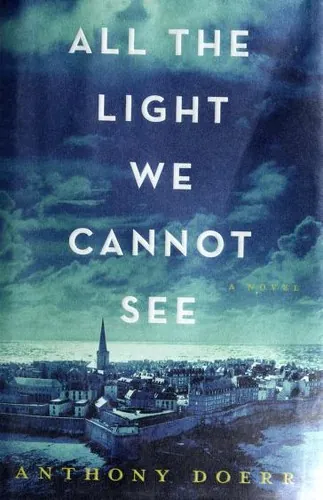
All the Light We Cannot See by Anthony Doerr (2014) is the essential companion about the light: the novel of a blind French girl and a German boy in the war. It shares the war, with the luminosity at the center.
The Winds of War by Herman Wouk (1971) is the essential companion about the family: the saga of the Henry family through the Second World War. It shares the sweep, with the global war at the center.
All Quiet on the Western Front by Erich Maria Remarque (1929) is the essential companion about the soldier: the novel of the First World War told from the trench. It shares the war, with the experience at the center.
For the fuller shelves, our historical reading lists gather the essential titles, and our family-friendly education through history list extends the shelf into the books for younger readers.
A Reading Plan for Book Clubs
The Nightingale generates conversation on every level: the sisters, the choices, the question of what courage actually requires. The most fertile questions are the ones the book refuses to settle: Which sister was braver - Vianne or Isabelle? What does the book ask the reader to make of the moral choices the occupation forced? Is the women’s war the untold story the book claims it is?
The book also generates the hardest kind of discussion: the question of what we owe the ordinary people who endured the war - and whether the novel can do justice to the suffering it tells. Clubs should expect the conversation to range from the village to the Pyrenees, which is exactly the range Hannah intended.
A Note on the Book’s Structure and Editions
The Nightingale is structured as the interleaving of the two sisters’ stories with the framing narrative of the older Vianne in the present - a structure that lets the revelations land with full force. Hannah’s method is the emotional accumulation: the reader is drawn into each sister’s war, and the two strands converge on the revelations of what each actually did. The book rewards the reader who surrenders to the emotion, and who trusts the craft to bring the strands home.
What Hannah’s Books Teach Together
Read together, The Nightingale and Winter Garden form a conversation about the untold war: the first novel tells the women’s war in occupied France, and the second tells the siege of Leningrad through the mother’s buried story. Both are built on the same conviction - that the women’s war has been too little told, and that the family is the frame - and each one widens the claim: the resistance and the siege. That is why the books belong together on the same shelf, and why readers who finish one should not stop there.
The Research Behind the Story
Readers who love The Nightingale may want to know the research behind it: Hannah has said the novel began with a question - where were the women in the war stories? - and that she spent years reading the memoirs of the women of the resistance, the diarists and the survivors, to tell the story truly. The details of the novel - the airmen over the Pyrenees, the hidden children, the railway lines - come from those accounts, and her conviction is that the emotional power rests on the authenticity. The reader who wants the fuller story should follow the notes and the acknowledgments into the memoirs she drew on; the fiction is the doorway, and the history is the room.
Why Hannah Still Matters to New Readers
The Nightingale has become one of the most beloved war novels of the century, and it matters because it answers a question the older war novels too rarely asked: what did the war look like to the women who stayed? Hannah’s conviction is that the war was endured as much as fought, and that the endurance - the hiding, the feeding, the protecting, the resisting - is a story of courage that had been too little told. New readers will find the novel emotionally powerful and historically grounded, and they will come away seeing the war from the home front.
Where to Begin and What to Read Next
For readers new to Hannah, The Nightingale is the essential starting point - it is her masterpiece and the book that defines the subject. Readers who want the other war should follow with The Four Winds; readers who want the wilderness should read The Great Alone; and readers who want the siege should move to Winter Garden. And because Hannah is best read beside the other great war writers, the natural next shelf pairs her with the light of Doerr, the trench of Remarque, the epic of Tolstoy and the family of Wouk - the resistance, the light, the trench and the saga, together forming the full picture of what the literature of war and peace can do.
Conclusion: The Nightingales Still Singing
Kristin Hannah’s contribution to the literature of war and peace is a single achievement, and it has entered the language of readers everywhere: the women’s war. She wrote it into the village of Vianne and the mountains of Isabelle, and it has outlasted every attempt to tell the war only from the front. Her war is the home front; her peace is the survival; her craft is the emotional power. Read her, and let the sisters show you what the war was really made of. For more reading paths, explore the Worlds section of our site, or continue with our family-friendly historical reading lists.