Best Cultural Heritage Books to Read
Introduction: The Past We Keep
Every family has them: the recipe no one writes down, the holiday no one can explain, the song sung the same way for three generations. Cultural heritage is that inheritance raised to the scale of a people - the festivals, crafts, buildings, languages and stories that carry a community’s identity across time. The best books about it do something rare: they make the reader see their own customs for the first time, and they raise the largest question of the category - what do we choose to keep, and what do we let go? This list gathers the essential titles, with honest notes on each.
The Essential Doors: The Whole Inheritance in One Book
These are the books that open the category for the most readers - the titles that show heritage as a single, enormous, living thing.
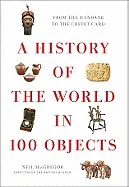
A History of the World in 100 Objects by Neil MacGregor (2010) is the perfect first book: the former director of the British Museum tells the whole human story through one hundred objects - a hand axe, a coin, a clock, a banknote - each one a piece of heritage that carries its culture’s questions. It is the book that proves heritage is not dusty: it is the physical record of everything we have been, and it needs no prior knowledge to enter.
The Living Mountain by Nan Shepherd (1977) is the quieter masterpiece of the category: a lifetime of walking the Cairngorms, written during the war and published decades later, that treats the mountain itself as an inheritance - a place carried in the body and memory of a people. It is the book that extends heritage from objects to landscapes, and it has become a modern classic of the category.
How the Irish Saved Civilization by Thomas Cahill (1995) is the narrative door into the idea of heritage as rescue: the argument that Irish monks copied and carried the classical texts while Europe burned, preserving an inheritance for the future. It is the book that makes the reader feel heritage as an act - something people do, against the odds, for the generations they will never meet.
The Living Traditions: Heritage as Practice
The best heritage books are not only about the past; they are about the traditions still being practiced, and the people who carry them.
Salt: A World History by Mark Kurlansky (2002) is the essential book of heritage through the everyday: the story of the one substance every culture needed, and the food, taxes, wars and folkways that grew up around it. It is the book that shows the reader how a single everyday thing carries an entire civilization’s memory - and how the recipe on the table is a piece of heritage.
The Book of Tea by Okakura Kakuzō (1906) is the classic of living tradition: a Japanese essayist’s defense of tea as the heart of Eastern culture - the ceremony, the aesthetic, the philosophy carried in a cup. Written in English for the West, it remains the most elegant argument that a daily practice is a heritage, and that the smallest customs carry the deepest meanings.
The Invention of Tradition edited by Eric Hobsbawm and Terence Ranger (1983) is the scholarly counterweight: the argument that many traditions we take as ancient - the Scottish kilt, the British royal ceremonial - were actually invented in the nineteenth century for political purposes. It is the book that makes the reader ask the sharpest question of the category: what is genuinely inherited, and what was made up yesterday and called ancient? The answer does not diminish heritage; it makes it more interesting.
The Memory and Loss: What Disappears
The category’s most moving books are about what is lost, and the honest reader should know the weight before choosing.
The Hare with Amber Eyes: A Family’s Century of Art and Loss by Edmund de Waal (2010) is the masterpiece of heritage and loss: the story of a family of Jewish art collectors traced through a collection of netsuke - tiny Japanese carvings - that survived the family’s flight from Vienna in 1938. It is the book that makes heritage physical and personal: the objects that outlived the people, and the memory they carry. It is a Costa Book of the Year winner and the most moving door into the category.
The Lost City of Z by David Grann (2009) is the heritage book of exploration: the story of the British explorer Percy Fawcett, who disappeared in the Amazon in 1925 searching for a lost civilization - and the modern archaeologists who proved the Amazon once held vast, complex societies. It is the book about heritage that was never written down - the civilizations the record lost and is only now recovering.
Say Nothing: A True Story of Murder and Memory in Northern Ireland by Patrick Radden Keefe (2019) extends the category into contested memory: the story of the Troubles told through one disappearance, and the question of what a community does with a past it cannot agree on. It is heavy, and it is essential - the book that shows heritage is not only what we keep but what we cannot decide to let go.
How to Choose Your Book
Choosing well among heritage books means matching the book to the question the reader is actually asking.
Match the scale to the curiosity. Do you want the whole human story (A History of the World in 100 Objects), the single substance (Salt), the single family (The Hare with Amber Eyes) or the single place (The Living Mountain)? The scale determines the book.
Match the register to the mood. The narrative histories - How the Irish Saved Civilization, The Lost City of Z - are written for the general reader. The scholarly works - The Invention of Tradition - are denser and best for committed readers. The heavy books - Say Nothing - carry real weight, and the notes say so.
Match the tradition to your own. The category is a mirror: the reader who starts with the book about their own culture’s traditions - the tea, the salt, the songs - meets the category’s questions personally, and personal is what sticks.
For the reader who wants the fuller map, our thoughtful guide to cultural heritage explains how traditions are made and carried, and our historical accuracy list extends the shelf into the question of how we know what the past was really like.
Content Notes: What to Expect
The honest note for the category: heritage includes loss, and the best books do not hide it. The Hare with Amber Eyes carries the weight of the Holocaust; Say Nothing carries the weight of the Troubles. None are gratuitous - the loss is the subject - but the reader should choose the weight knowingly. The narrative histories and the living-tradition books - A History of the World in 100 Objects, Salt, The Book of Tea - are accessible to any reader from around fifteen upward, and our family-friendly cultural heritage shelf carries the traditions at a gentler register for younger readers.
A Reading Plan for Every Kind of Reader
For the first-time reader, start with A History of the World in 100 Objects.
For the reader who wants the whole story, start with How the Irish Saved Civilization.
For the reader who wants heritage in the everyday, start with Salt.
For the reader who wants the deepest questions, start with The Invention of Tradition.
For the reader ready for the weight, start with The Hare with Amber Eyes.
For the reader who wants to know how we know, our historical accuracy list is the natural next shelf.
The Books of the Everyday: Heritage at the Table
The most surprising tier of the category is the everyday shelf: the books that find heritage in the things the reader already uses, and in doing so make the inheritance visible.
Salt: A World History by Mark Kurlansky (2002) is the perfect example: a single substance every culture needed, followed through the taxes, wars and folkways that grew up around it. The reader who finishes it can no longer see the saltshaker as trivial - it is the condensed history of civilization, and the recipe on the table is a piece of heritage.
The Book of Tea by Okakura Kakuzō (1906) makes the same move for a daily practice: the tea ceremony as the heart of Eastern culture - the aesthetic, the philosophy, the way of life carried in a cup. It is the most elegant argument in the category that the smallest customs carry the deepest meanings, and that a daily practice is a heritage.
The everyday shelf and the reader’s own kitchen. The deepest effect of these books is transfer: after reading about the salt and the tea, the reader looks at their own table - the dish that came from a grandmother, the holiday food, the ordinary meal - and sees it newly, as inheritance. That transfer is the category’s whole point, and the everyday shelf is the most reliable way to make it happen.
The Recovery Shelf: Heritage Found Again
The category’s most hopeful books are the recovery shelf: the heritage that was lost and found again.
The Lost City of Z by David Grann (2009) is the essential recovery book: the explorer Percy Fawcett vanished in the Amazon in 1925 hunting a lost civilization - and modern archaeologists proved the Amazon once held vast, complex societies the record had lost. It is the book about heritage that was never written down, and its recovery is the category’s most thrilling story.
The recovery of the everyday extends into the books about the lost crafts, the revived languages and the recovered recipes - the heritage that communities are actively bringing back. The recovery shelf teaches the category’s deepest hope: what seems lost is not always gone, and the finding is a choice people make.
Conclusion: The Inheritance You Carry
The best books about cultural heritage give the reader the rarest gift: their own customs made visible. They show that the recipe, the festival, the song and the object are not trivial - they are the inheritance, and the question of what we keep is the question of who we are. The best of them mourn what is lost and celebrate what survives, and they end with the reader asking the category’s real question: what am I carrying forward? Choose the book that calls to you, read the notes, and meet your inheritance - and start at the Worlds section of our site for the full collection of reading paths.