Books Like The Midnight Library
Introduction: What Readers Mean by “Books Like The Midnight Library”
When readers ask for books like The Midnight Library, they are rarely asking for just any novel. They are asking for something more specific: a protagonist who can see the lives they did not live, a reckoning with regret and depression, and the discovery that the life they have is the one to live. The Midnight Library (2020) has all three: Nora, a woman who decides she is done with life and finds herself in a library where each book is a life she could have lived; the lives she tries on - the Olympic swimmer, the rock star, the glacier scientist; and the novel’s central claim - that the life she has is the one she wants. The books that come closest are the ones that find their own way to the same combination.
This guide gathers the strongest readalikes, old and new, with honest content notes and a clear sense of what each book shares with Haig’s novel and where it departs from it.
The Haig Novels
The books that come closest to The Midnight Library are the author’s own explorations of the same territory.
The Humans by Matt Haig (2013) is the essential companion: an alien who comes to Earth to destroy the evidence of a mathematical discovery, in the novel of the being who learns to be human. It shares The Midnight Library’s author, its message and its warmth, with the library replaced by the alien’s education. Content note: a novel dealing with depression; for readers from around age fifteen upward.
Reasons to Stay Alive by Matt Haig (2015) is the essential nonfiction companion: the author’s own account of his depression and anxiety, in the memoir of the reasons to stay. It shares The Midnight Library’s reckoning with despair, with the fiction replaced by the lived experience. Content note: a memoir dealing with depression; for readers from around age sixteen upward.
How to Stop Time by Matt Haig (2017) is the essential companion about the many years: Tom, a man who ages slowly and has lived for centuries, in the novel of the long life and the love within it. It shares The Midnight Library’s many lives and its message, with the library replaced by the centuries. Content note: a novel; for readers from around age fifteen upward.
The Alternate Lives
A second branch of the family is the novel about the alternate lives - the revisiting and the replay.
Replay by Ken Grimwood (1986) is the essential companion about the replay: Jeff, a man who dies and wakes up in his college years with his memory intact, in the novel of the lives he lives and relives. It shares The Midnight Library’s structure of trying on lives, with the library replaced by the replay. Content note: a novel; for readers from around age sixteen upward.
The Time Traveler’s Wife by Audrey Niffenegger (2003) is the essential companion about the time: Henry, a man who travels through time involuntarily, and Clare, the woman who loves him across it. It shares The Midnight Library’s many lives and its love, with the library replaced by the time travel. Content note: a literary novel dealing with loss; for readers from around age sixteen upward.
The Invisible Life of Addie LaRue by V. E. Schwab (2020) is the essential companion about the one choice: Addie, a woman who makes a bargain to live forever but be forgotten, in the novel of the three hundred years and the one person who remembers. It shares The Midnight Library’s many years and its one choice, with the register deepened. Content note: a novel; for readers from around age sixteen upward.
The Reckonings and the Discoveries
A third branch is the novel about the reckoning and the discovery - the finding that the life at hand is the one to live.
It’s Kind of a Funny Story by Ned Vizzini (2006) is the essential companion in young adult register: Craig, a teenager who checks himself into a psychiatric hospital, in the novel of the reckoning and the recovery. It shares The Midnight Library’s mental health reckoning, with the library replaced by the hospital. Content note: a young adult novel dealing with depression; for readers from around age fifteen upward.
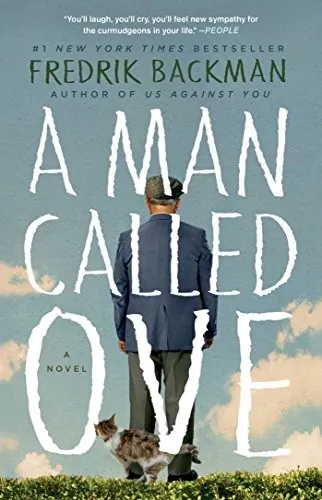
A Man Called Ove by Fredrik Backman (2012) is the essential companion about the reconsideration: Ove, a bitter old man whose plans to end his life keep being interrupted by his neighbors. It shares The Midnight Library’s despair and its discovery of the life worth living, with the library replaced by the neighborhood. Content note: a gentle novel dealing with grief and suicide; for readers from around age fifteen upward.
The Midnight Library also belongs to the family of novels about the books that contain lives, and the closest of those in recent fiction is The Starless Sea by Erin Morgenstern (2019): Zachary, a graduate student who finds a door to an underground library of stories. It shares The Midnight Library’s library and its wonder, with the message replaced by the atmosphere. Content note: a fantasy novel; for readers from around age sixteen upward.
Themes and Values That Hold the Readalikes Together
Once you have read a few of these books side by side, the shared themes become clear, and they are worth naming because they are what make the category cohere.
The life as the choice runs through every one of them. The Midnight Library’s central claim - that the life you have is the one to live - is the load-bearing structure of the whole family. The books are united by the conviction that the life is the choice, and that the choosing is the point.
The regret as the reckoning is the second shared shape. The family is united by the regret - the roads not taken, the choices revisited - and by the conviction that the regret is the reckoning. The books agree that the reckoning must be faced.
The despair as the beginning is the third shared theme. The family is united by the despair that begins the story - the done-with-life, the hospital, the plan - and by the conviction that the despair is the beginning, not the end. The books agree that the dark is where the light is found.
What to Read Next Depends on Why You Loved It
If you loved the author, read The Humans and How to Stop Time.
If you loved the alternate lives, read Replay and The Time Traveler’s Wife.
If you loved the one choice, read The Invisible Life of Addie LaRue.
If you loved the reckoning, read It’s Kind of a Funny Story and A Man Called Ove.
If you loved the library, read The Starless Sea.
Content Notes: What These Books Contain
The Midnight Library deals with depression and suicide, most naturally from around age sixteen upward. The Humans deals with depression. Reasons to Stay Alive is a memoir about depression. How to Stop Time is a novel. Replay is a novel. The Time Traveler’s Wife deals with loss. The Invisible Life of Addie LaRue is a novel. It’s Kind of a Funny Story deals with depression. A Man Called Ove deals with grief and suicide. The Starless Sea is a fantasy novel. None contain gratuitous content; the weight is humane and hopeful. Our medieval history themes and notes and our family-friendly historical reading lists offer related reading paths for the craft and the wisdom behind these books.
Why These Books Work as a Set
Read together, these readalikes form a coherent shelf rather than a random pile, and the coherence is worth naming for anyone building a reading list. They are bound by the conviction that the life is the choice, that the regret is the reckoning, and that the despair is the beginning. They are also bound by message: nearly every title here ends in the discovery that the life at hand is the one to live. That shared DNA means the shelf rewards reading in almost any order - the books talk to each other. The Humans echoes the message from the alien’s side; Replay multiplies the lives; A Man Called Ove grounds the reconsideration in the everyday. For a reader working through the family, the pairings are as instructive as the individual titles, which is why the reading plan below suggests specific combinations rather than a single sequence.
A Reading Plan for Book Clubs
The Midnight Library generates conversation on every level: the lives, the regret, the question of what actually makes a life worth living. Some of the best discussion questions come from pairing it with a book that shares or challenges it: read it with The Humans, and compare the two discoveries of the human; read it with Replay, and ask how the two structures differ; read it with A Man Called Ove, and discuss the two despairings and the two reconsiderations.
Conclusion: The Library That Keeps Giving
The Midnight Library endures because it is about something permanent: the conviction that the life is the choice, that the regret is the reckoning, and that the despair is the beginning. Every book on this list takes one piece of that - the lives, the reckoning, the discovery - and builds its own account around it. The joy of reading them is the joy of watching the same discovery practiced in different libraries, different centuries, different registers. Start with whichever part of Nora’s story you loved most, and let the comparison teach you what the life is really made of. For the full collection of reading paths, start at the Worlds section of our site.