Books Like The Old Man and the Sea

Introduction: What Readers Mean by “Books Like The Old Man and the Sea”
When readers ask for books like The Old Man and the Sea, they are rarely asking for just any classic. They are asking for something more specific: a solitary struggle against a force larger than the self, prose pared to the bone, and the dignity of the one who refuses to quit. The Old Man and the Sea (1952) has all three: Santiago, an old fisherman who has gone eighty-four days without a catch; the great marlin he hooks and fights alone on the sea; and the novel’s central claim - a man can be destroyed but not defeated. The books that come closest are the ones that find their own way to the same combination.
This guide gathers the strongest readalikes, old and new, with honest content notes and a clear sense of what each book shares with Hemingway’s novel and where it departs from it.
The Short Classics of the Struggle
The books that come closest to The Old Man and the Sea’s heart are the ones about the solitary struggle against the larger force.
The Pearl by John Steinbeck (1947) is the essential companion: Kino, a poor fisherman who finds a great pearl, in the novella of the treasure that brings destruction. It shares The Old Man and the Sea’s short form, its sea and its struggle, with the marlin replaced by the pearl. Content note: a classic novella; for readers from around age fourteen upward.
To Build a Fire by Jack London (1908) is the essential companion about the man against the cold: a man walking through the Yukon winter who must build a fire to survive, in the story of the fatal struggle. It shares The Old Man and the Sea’s man against the force of nature, with the sea replaced by the cold. Content note: a classic story; for readers from around age fourteen upward.
The Old Man and the Sea also belongs to the family of novels about the dignity of labor, and the closest of those in the novella form is Of Mice and Men by John Steinbeck (1937): George and Lennie, two migrant workers in the novel of the dream that cannot survive. It shares The Old Man and the Sea’s short form and its weight, with the sea replaced by the land. Content note: a classic novella; for readers from around age fourteen upward.
The Man Against the Elements
A second branch of the family is the novel about the man against the elements - the sea, the cold, the river.
The River Why by David James Duncan (1983) is the essential companion about the river: Gus, a young man who retreats to an Oregon river to live by fishing, in the novel of the solitude and the search. It shares The Old Man and the Sea’s solitary struggle and its water, with the register loosened. Content note: a novel dealing with family and loss; for readers from around age sixteen upward.
Life of Pi by Yann Martel (2001) is the essential companion about the sea and the survival: Pi, a boy stranded on a lifeboat with a tiger, in the novel of the 227 days at sea. It shares The Old Man and the Sea’s sea and its solitary struggle, with the scale widened and the register altered. Content note: a novel dealing with survival and faith; for readers from around age fifteen upward.
The Snow Leopard by Peter Matthiessen (1978) is the essential nonfiction companion about the mountain: the account of a trek into the Himalayas in search of the snow leopard, in the book of the solitude and the search. It shares The Old Man and the Sea’s solitary struggle, with the sea replaced by the mountain. Content note: accessible nonfiction; for readers from around age sixteen upward.
The Dignity and the Defeat
A third branch is the novel about the dignity in the defeat - the refusal to be defeated even when destroyed.
The Stranger by Albert Camus (1942) is the essential companion in darker register: Meursault, a man who commits a murder and faces the absurd, in the novella of the indifference and the confrontation. It shares The Old Man and the Sea’s pared prose and its existential weight, with the dignity turned to the absurd. Content note: a classic novella; for readers from around age seventeen upward.
The Grapes of Wrath by John Steinbeck (1939) is the essential companion about the endurance: the Joad family, driven from their land by the Dust Bowl, in the novel of the migration and the endurance. It shares The Old Man and the Sea’s dignity in the struggle, with the solitary man replaced by the family. Content note: a classic novel dealing with poverty; for readers from around age sixteen upward.
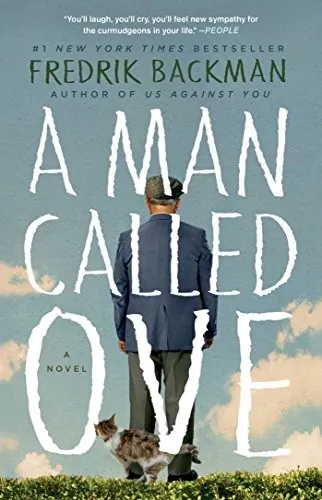
A Man Called Ove by Fredrik Backman (2012) is the essential companion in different register: Ove, a bitter old man whose plans keep being interrupted by his neighbors, in the novel of the community that refuses to let him go. It shares The Old Man and the Sea’s old man at the end of his life, with the sea replaced by the neighborhood. Content note: a gentle novel dealing with grief; for readers from around age fifteen upward.
Themes and Values That Hold the Readalikes Together
Once you have read a few of these books side by side, the shared themes become clear, and they are worth naming because they are what make the category cohere.
The struggle as the dignity runs through every one of them. The Old Man and the Sea’s central claim - that a man can be destroyed but not defeated - is the load-bearing structure of the whole family. The books are united by the conviction that the struggle is the dignity, and that the refusal to quit is the victory.
The pared prose as the craft is the second shared shape. The family is united by the prose stripped to the bone - the sentences that carry the weight without ornament - and by the conviction that the spareness is the craft. The books agree that the silence is part of the telling.
The sea as the mirror is the third shared theme. The family is united by the elements - the sea, the cold, the river, the mountain - and by the conviction that the element is the mirror of the self. The books agree that the man is measured by what he faces.
What to Read Next Depends on Why You Loved It
If you loved the short form, read The Pearl and Of Mice and Men.
If you loved the man against the elements, read To Build a Fire and The Snow Leopard.
If you loved the sea, read Life of Pi.
If you loved the pared prose, read The Stranger.
If you loved the dignity in the struggle, read The Grapes of Wrath and A Man Called Ove.
Content Notes: What These Books Contain
The Old Man and the Sea is a short classic with no graphic content, most naturally from around age thirteen upward. The Pearl is a classic novella. To Build a Fire is a classic story. Of Mice and Men is a classic novella. The River Why deals with family and loss. Life of Pi deals with survival and faith. The Snow Leopard is accessible nonfiction. The Stranger is a classic novella with darker themes. The Grapes of Wrath deals with poverty. A Man Called Ove deals with grief. None contain gratuitous content; the weight is lean and dignified. Our thoughtful guide to medieval history and our best historical reading lists offer related reading paths for the craft and the eras behind these classics.
Why These Books Work as a Set
Read together, these readalikes form a coherent shelf rather than a random pile, and the coherence is worth naming for anyone building a reading list. They are bound by the conviction that the struggle is the dignity, that the pared prose is the craft, and that the element is the mirror. They are also bound by form: nearly every title here is short enough to read in a sitting and deep enough to carry for a lifetime. That shared DNA means the shelf rewards reading in almost any order - the books talk to each other. The Pearl echoes the struggle across the sea; To Build a Fire hardens it into the cold; The Stranger strips the prose to the bone. For a reader working through the family, the pairings are as instructive as the individual titles, which is why the reading plan below suggests specific combinations rather than a single sequence.
A Reading Plan for Book Clubs
The Old Man and the Sea generates conversation on every level: the struggle, the prose, the question of what the defeat actually means. Some of the best discussion questions come from pairing it with a book that shares or challenges it: read it with The Pearl, and compare the two treasures and the two struggles; read it with To Build a Fire, and ask how the two endings differ; read it with The Stranger, and discuss the two registers and the two dignities.
Conclusion: The Marlin That Keeps Giving
The Old Man and the Sea endures because it is about something permanent: the conviction that the struggle is the dignity, that the pared prose is the craft, and that the element is the mirror. Every book on this list takes one piece of that - the struggle, the prose, the sea - and builds its own account around it. The joy of reading them is the joy of watching the same refusal practiced in different seas, different winters, different registers. Start with whichever part of Santiago’s story you loved most, and let the comparison teach you what the dignity is really made of. For the full collection of reading paths, start at the Worlds section of our site.