Best Purpose and Meaning to Read
Introduction: The Question That Cannot Be Avoided
Every reader eventually meets the question that the literature of purpose and meaning exists to hold open: what is a life for? It is the question beneath the others - beneath justice, beneath leadership, beneath education - and it is the one that cannot be outsourced. The best books about purpose and meaning do not answer it; they make the reader feel why it matters, and they offer the tools to answer it for oneself. They range from a psychiatrist’s account of the concentration camps to a shepherd boy’s journey across a desert, and they all carry the same conviction: that meaning is not found but made, and that the making is the work of a life.
This reading list gathers the essential books across four registers: the essential statement, the story, the conversation, and the philosophy. Each entry includes honest content notes and a sense of how the books speak to each other.
The Essential Statement
Man’s Search for Meaning by Viktor E. Frankl (1946) is the essential book: Frankl’s account of surviving the Nazi concentration camps and the psychological system - logotherapy - he built from the experience. Its central claim is the deepest in the literature: that the primary human drive is not pleasure or power but meaning, and that “he who has a why to live for can bear almost any how.” Frankl watched prisoners die because they had lost meaning and survive because they had kept it, and the book is his report of the difference. Content note: the memoir of the camps is devastating; appropriate for mature readers.
The Myth of Sisyphus by Albert Camus (1942) is the essential philosophical companion: Camus’s argument that the universe is absurd - without inherent meaning - and that the response is not despair but defiance: to live with full awareness and full intensity anyway. It is the book that asks the question in its hardest form, and it is the essential pairing with Frankl: where Frankl finds meaning, Camus finds the courage to live without it. Content note: an essay of philosophy, accessible in good translations; appropriate for mature readers.
The Essential Story
The Alchemist by Paulo Coelho (1988) is the essential story of purpose: a shepherd boy, Santiago, who follows a recurring dream across the desert to the pyramids, learning that the treasure he sought was waiting where he began. It is the book that made “personal legend” a phrase in the world’s vocabulary - the idea that each person has a purpose that calls them, and that the pursuit is the meaning. Content note: entirely clean, appropriate for readers from around age twelve upward.
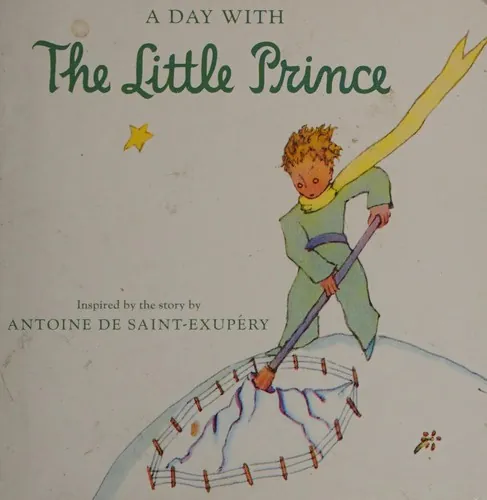
The Little Prince by Antoine de Saint-Exupéry (1943) is the essential story of meaning for readers of any age: a pilot stranded in the desert meets a little prince, and the discovery that “what is essential is invisible to the eye” - that the meaning of a life is in the relationships and the care, not in the measurable things. It is the book that asks what matters and answers with the rose, the fox and the time wasted lovingly. Content note: entirely clean, appropriate for any age.
The Midnight Library by Matt Haig (2020) is the essential modern story of meaning: a woman between life and death visits a library of books containing all the lives she might have lived, and discovers - by trying them on - that the meaning was never in the other lives but in this one, with its griefs and its gifts. It is the book that takes the what-if of a life and answers it: the meaning is in the living. Content note: deals with depression and suicidal thoughts; appropriate for mature readers.
The Essential Conversation
Tuesdays with Morrie by Mitch Albom (1997) is the essential book of the conversation about meaning: a dying professor, Morrie Schwartz, meets with his former student every Tuesday and teaches his final lessons - about love, work, family, death and what makes a life good. It is the book that shows meaning being passed from one person to another, and its central question - what would you do if you knew you had only months to live? - is the question that strips everything else away. Content note: deals with dying and death; appropriate for mature readers.
The Last Lecture by Randy Pausch (2008) is the essential companion: a computer science professor diagnosed with terminal cancer delivers the “last lecture” he always wanted to give - about achieving your childhood dreams and living fully. It is the book about meaning under a deadline, and its famous line - “the brick walls are there for a reason: they let us prove how badly we want things” - is the literature’s answer to obstacles. Content note: deals with terminal illness; appropriate for mature readers.
The Boy, the Mole, the Fox and the Horse by Charlie Mackesy (2019) is the essential book of the gentle conversation: a boy’s journey with three animal companions, full of the small encouragements - “what do you want to be when you grow up?” “Kind” - that are the quietest statements of meaning in the literature. It is entirely clean, appropriate for any age, and the book families read together when they want the question without any machinery at all.
The Essential Philosophy
Meditations by Marcus Aurelius (c. 170–180 CE) is the essential philosophical manual: the private notebooks of a Roman emperor, written for himself, in which he reminds himself what matters - the present moment, the duty, the acceptance of what cannot be changed. It is the book that shows meaning being practiced rather than argued, and it is the essential companion for readers who want the question answered in daily discipline. Content note: entirely clean; accessible in good translations; appropriate for readers from high school upward.
The Nicomachean Ethics by Aristotle (c. 350 BCE) is the essential philosophical account: the argument that the good life - eudaimonia, flourishing - is the life of virtue, and that meaning is found in the activity of living well. It is the foundation of the whole tradition, and it is the book that gives the reader the vocabulary for the question. Content note: demanding in places; appropriate for mature readers.
How These Books Speak to Each Other
The literature of purpose and meaning is a conversation. Frankl argues that meaning is the deepest drive; Camus argues that we must live without it; Coelho tells the story of the pursuit; the Little Prince locates the meaning in care; Haig locates it in the life you have; Morrie and Pausch show it being passed on; Marcus Aurelius practices it daily; Aristotle defines it. The essential question running through all of them: what is a life for - and what is yours for?
Content Notes Summary
The books on this list span every age range. For younger readers and families: The Little Prince (any age), The Boy, the Mole, the Fox and the Horse (any age), The Alchemist (from around age twelve). For general readers: Tuesdays with Morrie, The Last Lecture, The Midnight Library, Meditations, The Myth of Sisyphus. For mature readers: Man’s Search for Meaning (devastating in parts), The Nicomachean Ethics (demanding). The notes are about emotional weight as much as content: several of these books deal with death and dying, and the Midnight Library deals with depression and suicidal thoughts. Our thoughtful guide to purpose and meaning extends this list, our positive messages reading list connects purpose to hope, and our character reading shows the character the meaning forms.
The Questions These Books Ask
The books on this list are best understood as organized around questions rather than answers, and each one holds a single question open long enough for the reader to live in it.
Aristotle and Frankl ask the foundational question: what is a life for? The Nicomachean Ethics answers with flourishing - the activity of living well - while Man’s Search for Meaning answers with the deepest drive, the will to meaning. Read together, they frame the whole literature.
The Alchemist and The Little Prince ask the question of pursuit: what would you risk for what matters? Santiago crosses a desert for a dream; the little prince tends a rose. Both discover that the treasure was where they began - and the question is whether the journey was the meaning.
Camus and Matt Haig ask the question of the dark: what if there is no meaning, or the meaning is hard to see? The Myth of Sisyphus answers with defiance; Reasons to Stay Alive answers with the stubborn decision to stay. Between them they hold the place where the literature is tested.
Morrie and Pausch ask the question of time: what are you doing with the weeks you have? Both books are staged under a deadline, and both answer that the deadline is the teacher.
Marcus Aurelius asks the question of practice: what do you do daily? His notebooks answer that meaning is a discipline, repeated every morning and evening.
The reading plan below is really a way of moving between questions. The reader who wants one book should match it to the question they are currently living - and the reader who wants the whole conversation should read the books as a dialogue, letting each question answer the others.
A Reading Plan for Every Kind of Reader
For the reader who wants a single book: Man’s Search for Meaning. For the reader who wants the story: The Alchemist. For the reader who wants the conversation: Tuesdays with Morrie. For the reader who wants the philosophy: Meditations. For the reader who wants the gentle version: The Boy, the Mole, the Fox and the Horse. For the book club: read Man’s Search for Meaning with The Alchemist, and let the memoir and the fable argue with each other about where meaning is found.
Conclusion: The Question That Cannot Be Avoided
Every reader eventually meets the question of what a life is for, and the best books about purpose and meaning hold it open rather than closing it: they make the reader feel why it matters, and they offer the tools to answer it for oneself. From Frankl’s camp, to Santiago’s desert, to Morrie’s Tuesday lessons, to Marcus Aurelius’s private notebooks, the books on this list form a complete education in the deepest question there is - and they keep answering it differently every time you return. Start with the book that calls to you, and let the conversation between the books carry you deeper. For more reading paths, explore the Ideas section of our site.