Books Like A Man Called Ove

Introduction: What Readers Mean by “Books Like A Man Called Ove”
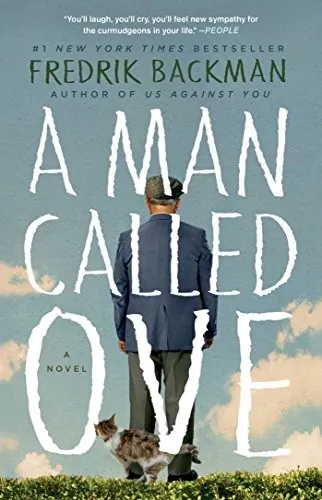
When readers ask for books like A Man Called Ove, they are rarely asking for another novel about a grumpy old man. They are asking for something more specific: a grumpy or lonely protagonist whose heart is revealed slowly, a community that pulls the person back into connection, and humor that carries real feeling. A Man Called Ove (2012) has all three - Ove, a curmudgeonly widower who has decided his life is over, is pulled, against his will, into caring for his neighbors - and the books that come closest are the ones that find their own way to the same combination.
This guide gathers the strongest readalikes, old and new, with honest content notes and a clear sense of what each book shares with Ove’s story and where it departs from it.
The Backman Universe
The books that come closest to A Man Called Ove are the author’s own explorations of the same territory.
Anxious People by Fredrik Backman (2019) is the essential companion: a failed bank robber, a hostage situation, a group of strangers in an apartment - and the discovery, through a novel told with Backman’s trademark humor and tenderness, that the strangers are all people who were afraid, and that the fear is what connects them. It shares Ove’s blend of comedy and heart and its quiet argument (the people next door are yours), and it is the book that Backman readers discover next. Content note: clean and warm; deals with grief and suicide, handled with care; appropriate for readers from around age fifteen upward.
Britt-Marie Was Here by Fredrik Backman (2014) is the essential companion about starting over: Britt-Marie, a woman whose whole identity is her orderliness and her marriage, is left by her husband - and takes a job cleaning a rundown community center in a town that has given up, where she is pulled back into life. It is Ove’s story told from the other side of the gender line, and it is the book for readers who loved the starting-over arc. Content note: clean and warm; appropriate for readers from around age fourteen upward.
My Grandmother Asked Me to Tell You She’s Sorry by Fredrik Backman (2013) is the essential companion about the stories that connect us: a young girl’s grandmother dies and leaves her a series of letters - a treasure hunt through the fairy tales her grandmother invented, which turn out to be the real stories of the people around her. It is Ove’s theme (the connections beneath the surface) in a more fable-like register. Content note: clean and warm; deals with death and grief; appropriate for readers from around age twelve upward.
The Lonely Hearts
A second branch of the family is the novel about a lonely person pulled back into connection.
Eleanor Oliphant Is Completely Fine by Gail Honeyman (2017) is the essential companion in character: Eleanor, a brilliantly odd and deeply lonely woman who has built her life on routine and avoidance, is pulled into friendship against her will - and the novel slowly, carefully reveals what she is avoiding. It shares Ove’s structure (the isolated person, the reluctant community) and its emotional depth, with a sharper contemporary voice. Content note: an adult novel that deals with trauma and abuse, handled with care; for mature readers.
The Unlikely Pilgrimage of Harold Fry by Rachel Joyce (2012) is the essential book about the journey that saves a life: Harold Fry, a quiet, ordinary man, receives news that an old friend is dying - and decides to walk across England to see her, one step at a time, in a pilgrimage that becomes the review of his life. It is Ove’s discovery (the connection was there all along, if he had walked toward it) told as a physical journey. Content note: clean and warm; deals with grief and terminal illness; appropriate for readers from around age fourteen upward.
The Storied Life of A. J. Fikry by Gabrielle Zevin (2014) is the essential book about the ordinary life that turns out to be extraordinary: a lonely bookseller whose life is changed by the arrival of a child - and who discovers that the connections he thought he had avoided were the story all along. It is Ove’s arc (the reluctant heart, the found family) in a bookish register. Content note: clean and warm; appropriate for readers from around age thirteen upward.
The Community That Cares
A third branch is the novel about the community itself - the neighbors, the small town, the people who refuse to let anyone be alone.
A Gentleman in Moscow by Amor Towles (2016) is the essential book about making a life in one place: Count Rostov, sentenced to house arrest in a grand Moscow hotel, builds a life - friendships, work, a child - within its walls, and discovers that the confinement is the container of the connection. It shares Ove’s argument (the place you are given is where the life is made) with more elegance and a longer span. Content note: clean and warm; appropriate for readers from around age fifteen upward.
The Hundred-Year-Old Man Who Climbed Out the Window and Disappeared by Jonas Jonasson (2009) is the essential comic companion: a hundred-year-old man climbs out of his retirement home window and, through a series of absurd adventures, reviews the century he has lived - including, to his bafflement, a starring role in history. It is Ove’s humor without the melancholy, and it is the book for readers who loved the comedy. Content note: clean and very funny, with some farcical violence; appropriate for readers from around age fourteen upward.
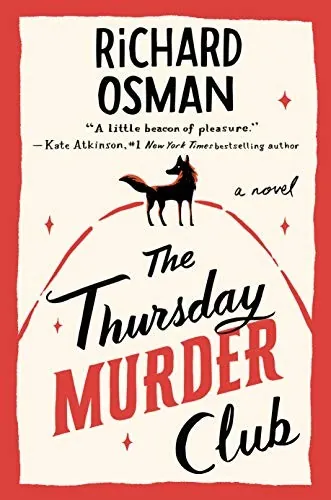
The Thursday Murder Club by Richard Osman (2020) is the essential modern companion about the community of the retired: four residents of a retirement village meet weekly to solve cold cases - and find themselves investigating a real murder. It shares Ove’s warmth toward its older characters and its argument (the life of the retired is not over), with more plot. Content note: clean and warm with some dark humor; appropriate for readers from around age fourteen upward.
Themes and Values That Hold the Readalikes Together
Once you have read a few of these books side by side, the shared themes become clear, and they are worth naming because they are what make the category cohere.
The reluctant heart runs through every one of them. Ove’s central shape - the person who has closed themselves off, and who is pulled, against their will, back into caring - is the load-bearing structure of the whole family. Eleanor does not want a friend; Harold did not plan a pilgrimage; A. J. Fikry did not want the child; Britt-Marie did not want the town. The books are united by the conviction that the heart is not opened by choice but by need - the neighbor’s, the child’s, the community’s.
The community as the cure is the second shared value. The category is defined by the argument that isolation is the illness and connection is the medicine - that the grump is saved by the very people he resisted. The books agree that no one is saved alone, and that the saving is mutual: Ove saves the neighborhood as much as it saves him.
Humor as the carrier of feeling is the third shared shape. The family is funny on every page - the crankiness, the routines, the misunderstandings - and the humor is not decoration but the vehicle: it is what makes the grief bearable and the tenderness earned. The books agree that the laughter is the door to the tears.
What to Read Next Depends on Why You Loved It
If you loved the author’s voice, read Anxious People, Britt-Marie Was Here and My Grandmother Asked Me to Tell You She’s Sorry, which are Backman’s other novels.
If you loved the lonely heart, read Eleanor Oliphant Is Completely Fine and The Unlikely Pilgrimage of Harold Fry.
If you loved the ordinary life that mattered, read The Storied Life of A. J. Fikry and A Gentleman in Moscow.
If you loved the comedy, read The Hundred-Year-Old Man Who Climbed Out the Window and Disappeared and The Thursday Murder Club.
Content Notes: What These Books Contain
All of these books are clean in the ordinary sense: no explicit content, no graphic violence. The distinctions are about emotional weight. A Man Called Ove, Britt-Marie Was Here and My Grandmother Asked Me to Tell You She’s Sorry deal with grief and loss, handled warmly. Anxious People deals with grief and a suicide, handled with care, and is best for readers from around age fifteen. Eleanor Oliphant Is Completely Fine deals with trauma and abuse and is for mature readers. The Unlikely Pilgrimage of Harold Fry deals with terminal illness. The Storied Life of A. J. Fikry, A Gentleman in Moscow, The Hundred-Year-Old Man and The Thursday Murder Club are the lightest, appropriate from around age thirteen to fifteen. None of the books require a warning about explicit content. Our best purpose and meaning reading list and our purpose and meaning themes and reading notes offer related reading paths for the questions of grief, community and care these books raise.
A Reading Plan for Book Clubs
A Man Called Ove generates conversation on every level: the humor, the grief, the structure (the present pulled against the flashbacks), and the question of what the novel is actually about - grief, or community, or both. Some of the best discussion questions come from pairing it with a book that shares its themes: read it with Anxious People, and compare the two communities; read it with Eleanor Oliphant, and ask how the two lonely hearts differ; read it with Harold Fry, and ask whether the connection is found by staying or by walking.
Conclusion: The Heart That Keeps Giving
A Man Called Ove endures because it is about something permanent: the conviction that the heart is opened by need, that the community is the cure, and that humor is the carrier of the deepest feeling. Every book on this list takes one piece of that - the voice, the lonely heart, the community, the comedy - and builds its own story around it. The joy of reading them is the joy of watching the same heart opened in different towns, different lives, different registers. Start with whichever part of Ove’s story you loved most, and let the comparison teach you what connection is really made of. For the full collection of reading paths, start at the Ideas section of our site.