Books Like Little Women
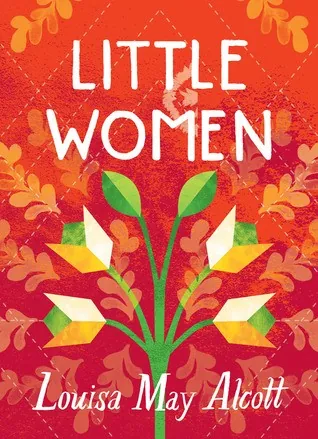
There is a specific feeling that comes from finishing Little Women: you feel like you have lived with the March family. Louisa May Alcott’s novel - Meg, Jo, Beth and Amy, their mother Marmee, their poverty and their plenty, their dreams and their sacrifices - has been loved for over a century and a half because it tells the story of growing up with a completeness few books match. The problem after finishing it is the one every great book creates: you want more of the feeling - the family, the warmth, the growing. This guide collects the books that genuinely belong on that shelf, with honest content notes so you can choose your next read with confidence.
What Made Little Women Special
Before the recommendations, it is worth naming what you are actually looking for, because the right next book depends on which part of the book stayed with you.
If the family stayed with you - the sisters, the mother, the household - then the family novels will fit. If the growing up stayed with you - the ambitions, the sacrifices, the becoming - then the coming-of-age stories will be your natural next step. And if the character stayed with you - Jo especially, the tomboy writer with the fierce heart - then the character novels will carry it forward. Most readers are looking for all three, and the books below cover the range.
The Family Novels
Anne of Green Gables by L. M. Montgomery
If there is one book that the Little Women reader should pick up next, it is Anne of Green Gables. Anne Shirley, the orphan with the red hair and the overflowing imagination, arrives at Green Gables and transforms the household of Marilla and Matthew Cuthbert - and the whole town of Avonlea - with her capacity for wonder.
The two books are sisters in spirit: the girl growing up, the family found, the imagination that makes life rich. Where Jo March is the writer with the fierce heart, Anne is the dreamer with the fierce imagination - and both are among the most beloved characters in literature.
Content notes: A gentle classic, suitable for readers of all ages.
Pride and Prejudice by Jane Austen
For readers who want the family dynamics of Little Women in an adult setting, Pride and Prejudice is the essential book. The Bennet family - five daughters, a foolish mother, a witty father - is the adult version of the March household, and Elizabeth Bennet’s story of pride and prejudice overcome is the great novel of character and growth.
The two books belong together because Austen does for the adult world what Alcott does for the young: the sharp observation, the love of character, the belief that growth is possible. For readers who loved the sisters of Little Women, the Bennet sisters are the grown-up continuation.
Content notes: A classic novel, suitable for readers from the mid-teens up.
Little House on the Prairie by Laura Ingalls Wilder
For readers who want the domestic life of Little Women in the American frontier, Little House on the Prairie is the book. The Ingalls family - Pa, Ma, Laura, Mary and baby Carrie - builds a life in the wilderness, and the book is the account of that building: the log house, the garden, the winters, the love.
The book shares Little Women’s celebration of ordinary family life, and it is the book for readers who loved the domestic detail - the meals, the chores, the small rituals that make a family.
Content notes: A gentle classic, suitable for readers of all ages.
The Coming-of-Age Stories
Jane Eyre by Charlotte Brontë
For readers who want the growing-up story with the most steel in it, Jane Eyre is the essential book. The orphan Jane, poor and plain and fiercely principled, makes her way through cruelty and hardship to a hard-won independence - and the book is the great novel of the inner life.
The two books are companions across the century: Jo March and Jane Eyre are the same spirit in different dresses - the girl with the inner life who refuses to be diminished. For readers who loved Jo’s independence, Jane is the adult version.
Content notes: A classic novel with some dark passages and a difficult subplot; for mature readers.
A Little Princess by Frances Hodgson Burnett
For readers who want the growing-up story with the emphasis on inner strength, A Little Princess is the book. Sara Crewe, a rich girl reduced to poverty, keeps her imagination and her kindness through every humiliation - and the book is about the inner world that cannot be taken away.
The book shares Little Women’s conviction that character is built in adversity, and it is the book for readers who loved the girls’ resilience.
Content notes: A gentle classic, suitable for readers of all ages.
The Character Novels
Emma by Jane Austen
For readers who want the character study in its most delicious form, Emma is the book. The wealthy, clever, meddling Emma Woodhouse is sure she knows what is best for everyone - and the novel is the story of her education in her own fallibility.
The book shares Little Women’s interest in character growth: Emma is the sister who needs to learn, and the learning is the novel. For readers who loved watching the March sisters grow, Emma is the grown-up version of the same pleasure.
Content notes: A classic novel, suitable for readers from the mid-teens up.
More from the Author
Little Men and Jo’s Boys by Louisa May Alcott
For readers who want more of the March family, Little Men and Jo’s Boys are the continuations. Little Men follows Jo and her husband running a school for boys at Plumfield; Jo’s Boys follows the students into adulthood. Together the trilogy completes the story of the family readers fell in love with.
The books are for readers who cannot bear to leave the world of Little Women, and they deliver exactly what those readers want: more of the family, more of the warmth, more of the growing.
Content notes: Gentle classics, suitable for readers of all ages.
How to Choose Your Next Read
The right next book depends on what you are ready for. If you want the same warmth: Anne of Green Gables. If you want the family dynamics as an adult: Pride and Prejudice. If you want the domestic life: Little House on the Prairie. If you want the inner strength: Jane Eyre or A Little Princess. If you want the character study: Emma. If you want more of the family: Little Men and Jo’s Boys.
There is no wrong order, but there is a sensible one: start with Anne of Green Gables for the same warmth, then Pride and Prejudice for the grown-up version, then Jane Eyre for the inner strength, and let the others fill in as you go.
Why the Book Endures
It is worth asking why Little Women has endured for over a century and a half, because the answer explains what readers are really looking for when they finish it. The book is not plot-driven; almost nothing happens that could be called dramatic. What endures is the household: the ordinary texture of family life - the work, the meals, the quarrels and reconciliations, the mother’s wisdom dispensed in quiet moments - rendered with such love that readers feel they have lived there. It is the book that taught generations of readers that the ordinary is the profound.
The books on this list share that quality: they are books about the domestic made meaningful, about family as the ground of character, about the small moments that add up to a life. Reading them is a way of returning to the household - the March house, the Cuthbert farm, the Bennet drawing room, the Ingalls cabin - and of being reminded that the life you are living, in its ordinary texture, is the material of the story.
Reading the Shelf Together
One of the great pleasures of the Little Women shelf is that it is built for sharing. These are books that read aloud beautifully, that families can read at the same time, and that create the shared reference points a household runs on. A family that reads Little Women and then Anne of Green Gables has given itself a language: a daughter can say she is having a very Amy day, and everyone knows exactly what is meant; a mother can name a quarrel as a March sisters moment, and the lesson lands without a lecture.
The sharing matters because the books’ deepest subject is the family, and reading them together is a way of practicing the family - the reading aloud, the discussing, the laughing and crying in the same room. For the reader who loved the household of the March family, the household that reads about them is the natural continuation. The shelf is not finished when the books are read; it is finished when the family talks about them at dinner, and the talk becomes part of the family’s own story.
The Values the Shelf Carries
Little Women is, at its core, a book about values in action - the loyalty of the sisters, the respect that Marmee teaches, the healthy relationships the family practices daily. It belongs on the relationships shelf alongside the guides that explore those values directly. Our thoughtful guide to family values walks through the values the March household embodies - the loyalty, the generosity, the patience - and it pairs naturally with this reading, because the family’s life is a demonstration of exactly what the guide describes.
The shelf also connects to commitment, in a specific way: the book’s deepest subject is the love that is chosen and kept - Marmee’s patience, the sisters’ loyalty, the marriages that grow from friendship. Our guide to marriage and commitment explores the bond that Little Women shows being built across its pages, and it belongs with this reading because the March household is a study in commitment practiced daily. Together these guides frame the fiction, and the fiction makes the guides feelable.
Conclusion
Little Women has been loved for over a century and a half because it tells the story of growing up with a completeness few books match - the four March sisters, the wise mother, the small ordinary profound drama of becoming who you are. The books on this list are the honest responses to the question it leaves behind: what next?
The warmth of Anne and the Ingalls family, the family dynamics of Austen’s Bennets, the inner strength of Jane Eyre and Sara Crewe, and the continuation of the March family in Little Men and Jo’s Boys - together they carry the same truth in different voices: family is the ground, character is the growth, and the growing is the point. Read the notes, choose where you are, and let the books take their time.
Frequently Asked Questions
What should I read after Little Women?
Is Anne of Green Gables like Little Women?
What is the main theme of Little Women?
Are there books like Little Women for adult readers?
Which book is the closest in spirit to Little Women?
Are these books suitable for the whole family?
Featured Recommendations


Raining Book Editorial Team
The Raining Book editorial team curates the best book recommendations and reading guides for every type of reader.