Books Like The Secret Garden

There is a specific feeling that comes from finishing The Secret Garden: the feeling of having watched something broken become whole. Frances Hodgson Burnett’s novel - the spoiled orphan Mary Lennox, the hidden garden, the sickly boy Colin, the Yorkshire moor - has been loved for over a century because it tells the story of healing through tending: the garden recovers, and so do the children, and so does the household. The problem after finishing it is the one every great book creates: you want more of the feeling - the healing, the growing, the quiet miracle of care. This guide collects the books that genuinely belong on that shelf.
What Made The Secret Garden Special
Before the recommendations, it is worth naming what you are actually looking for, because the right next book depends on which part of the book stayed with you.
If the healing stayed with you - the transformation of Mary and Colin - then the novels of recovery will fit. If the nature stayed with you - the garden, the moor, the seasons - then the nature-centered stories will be your natural next step. And if the household stayed with you - the manor waking up, the servants, the family being made whole - then the found-family stories will carry it forward. Most readers are looking for all three, and the books below cover the range.
The Novels of Healing
A Little Princess by Frances Hodgson Burnett
If there is one book that the Secret Garden reader should pick up next, it is A Little Princess. Burnett’s other great novel follows Sara Crewe, a rich girl reduced to poverty, who keeps her imagination and her kindness through every humiliation - and the book is about the inner world that cannot be taken away.
The two books are siblings: the orphan heroine, the inner strength, the belief that character is built in adversity. Where Mary is healed by the garden, Sara heals herself with imagination - and both books end with the world recognizing what the reader knew all along.
Content notes: A gentle classic, suitable for readers of all ages.
Heidi by Johanna Spyri
For readers who want the healing power of nature in its purest form, Heidi is the book. The orphan Heidi is sent to her grandfather in the Swiss Alps, and the mountain air, the goats and the old man’s gruff love heal her - and she in turn heals everyone she meets, including the invalid Clara.
The book shares The Secret Garden’s deepest conviction: that nature heals, and that tending living things heals the tender. For readers who loved the garden’s effect on Mary and Colin, Heidi is the Alpine version of the same miracle.
Content notes: A gentle classic, suitable for readers of all ages.
Anne of Green Gables by L. M. Montgomery
For readers who want the healing of a child by a place, Anne of Green Gables is the book. The orphan Anne Shirley arrives at Green Gables and transforms the Cuthbert household with her imagination - and the place transforms her in turn.
The two books are sisters in spirit: the orphan who finds a home, the place that makes a child whole, the household that wakes up. For readers who loved the manor waking up in The Secret Garden, Avonlea is the warmer, funnier version.
Content notes: A gentle classic, suitable for readers of all ages.
The Novels of Nature
Little House on the Prairie by Laura Ingalls Wilder
For readers who want the natural world as a central character, Little House on the Prairie is the book. The Ingalls family builds a life in the wilderness - the seasons, the land, the animals, the winters - and the book is the account of living with nature rather than against it.
The book shares The Secret Garden’s attention to the natural world and its power to shape character. For readers who loved the garden and the moor, the prairie is the American version of the same teacher.
Content notes: A gentle classic, suitable for readers of all ages.
The Wind in the Willows by Kenneth Grahame
For readers who want nature rendered as pure enchantment, The Wind in the Willows is the book. The river, the meadow, the Wild Wood - the animal characters live inside the natural world, and the book is a celebration of its beauty and its dangers.
The book shares The Secret Garden’s love of the natural world, delivered as a riverbank idyll rather than a healing story. For readers who loved the garden’s wildness, the riverbank is the lyrical version.
Content notes: A gentle classic, suitable for readers of all ages.
The Stories of the Household Waking Up
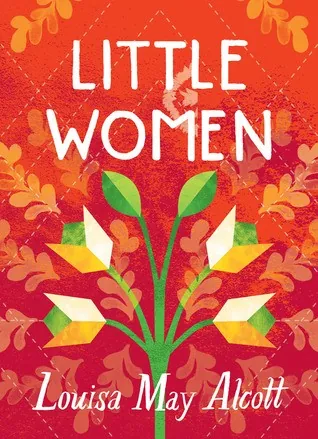
Little Women by Louisa May Alcott
For readers who want the household healing theme in its fullest form, Little Women is the essential book. The March household - the four sisters, the mother, the poverty and the plenty - is the great American story of a family made whole by love.
The book shares The Secret Garden’s shape: a household that comes alive through the care of its members. For readers who loved the manor waking up, the March household is the warmer, richer version.
Content notes: A gentle classic, suitable for readers of all ages.
The Secret Garden for Adult Readers
For adult readers who want the theme of healing through nature in nonfiction, Braiding Sweetgrass by Robin Wall Kimmerer is the essential book. Kimmerer, a botanist and a member of the Citizen Potawatomi Nation, writes about the web of reciprocity that connects people to the land - and the book’s argument is that we are healed by tending what we love.
The book shares The Secret Garden’s deepest conviction - that care heals both the cared-for and the carer - and extends it to the whole natural world. For adult readers who loved the garden and want the grown-up version of its lesson, this is the book.
Content notes: A nature classic, suitable for readers from the mid-teens up.
How to Choose Your Next Read
The right next book depends on what you are ready for. If you want more Burnett: A Little Princess. If you want the healing power of nature: Heidi. If you want the orphan-finds-a-home warmth: Anne of Green Gables. If you want nature as the central character: Little House on the Prairie or The Wind in the Willows. If you want the household waking up: Little Women. If you want the grown-up version: Braiding Sweetgrass.
There is no wrong order, but there is a sensible one: start with A Little Princess for the same author, then Heidi for the same healing, then Anne of Green Gables for the warmth, and let the others fill in as you go.
The Garden in the Reader
There is a reason The Secret Garden has healed readers for over a century, and it is worth naming because it explains what the shelf is really for. The garden is not just a place in the story; it is a picture of the reader’s own neglected places - the parts of a life that have been locked away, left untended, assumed dead. Mary discovers that the garden is not dead but waiting, and the reader discovers the same about themselves: that what has been neglected can be tended again, and that the tending is the healing.
This is why the books on this shelf matter. They are not escapes from ordinary life but instructions for it - reminders that growth comes from attention, that the neglected thing is not necessarily dead, and that the person who tends is healed along with what they tend. The reader who finishes The Secret Garden and then Heidi, or the prairie, or the riverbank, is not just reading about gardens; they are practicing the attention the garden teaches, in the only place it can finally be practiced: their own life. The practice is small at first - the plant tended, the neglected corner noticed, the thing assumed dead given one more season - and it grows, as gardens do, by being tended. That is the quiet claim of the whole shelf, and it is the reason the books keep being read a century after they were written.
The Values the Shelf Carries
The Secret Garden is, at its core, a book about values in action - the healing that comes from care, the loyalty of the children to each other, the healthy relationships that grow in the garden. It belongs on the relationships shelf alongside the guides that explore those values directly. Our guide to marriage and commitment walks through the value of tending - the love that is practiced daily, the care that makes things grow - and it pairs naturally with this reading, because the garden is a demonstration of exactly what the guide describes: growth through patient attention.
The shelf also connects to the wider themes of commitment, in a specific way: the book’s deepest subject is the transformation that happens when someone is tended - Mary tending the garden, the garden tending Mary. Our marriage and commitment themes and reading notes explore the pattern that The Secret Garden shows in its purest form, and they belong with this reading because the garden is a study in the daily practice that makes anything - a garden, a child, a marriage - grow. Together these guides frame the fiction, and the fiction makes the guides feelable.
Conclusion
The Secret Garden has been loved for over a century because it tells the story of healing through tending - the garden recovers, and so do the children, and so does the household. The books on this list are the honest responses to the question it leaves behind: what next?
The inner strength of A Little Princess, the healing nature of Heidi, the warmth of Anne of Green Gables, the natural world of the prairie and the riverbank, the household of Little Women, and the grown-up wisdom of Braiding Sweetgrass - together they carry the same truth in different voices: care heals, growth comes from tending, and the tending is the point. Read the notes, choose where you are, and let the books take their time.
Frequently Asked Questions
What should I read after The Secret Garden?
Is A Little Princess like The Secret Garden?
What is the main theme of The Secret Garden?
Are there books like The Secret Garden for adult readers?
Which book is the closest in spirit to The Secret Garden?
Are these books suitable for the whole family?
Featured Recommendations


Raining Book Editorial Team
The Raining Book editorial team curates the best book recommendations and reading guides for every type of reader.