Books Like The Alchemist
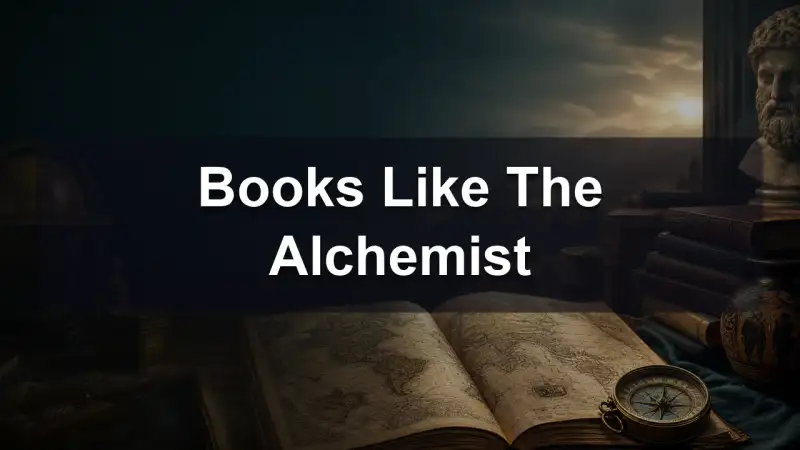
Paulo Coelho’s The Alchemist is one of the most beloved books of the past half century - a fable about following your dreams that has been read by tens of millions of people around the world. Santiago, a shepherd boy in Andalusia, has a recurring dream about treasure at the Egyptian pyramids, and he decides to follow it: across the sea, into the desert, through encounters with a king, a crystal merchant, an Englishman, and an alchemist - toward the treasure, and toward the discovery of what he was really seeking.
The book is about Personal Legends - the thing you have always wanted to do - and about the conviction that the universe conspires to help those who pursue them. It is a book about journeys, omens, and the discovery that the treasure was where you started. If you have finished it and want more, here is where to go next.
If You Loved the Fable: Small Books With Big Meanings
The Alchemist is a fable - a story that carries more meaning than its length suggests, told with the simplicity of a fairy tale and the depth of philosophy. These books are fables of the same kind.
The Little Prince (Antoine de Saint-Exupéry)
The essential companion: a pilot stranded in the Sahara meets a young prince who has traveled from a tiny asteroid, and the prince tells him about his rose, his volcanoes, and the strange adults he has met. It shares the Alchemist’s structure - a journey, a series of encounters, a revelation about what matters - and its conviction that what is essential is invisible to the eye. The two books belong on the same shelf, and readers of one will adore the other.
The Alchemist, and the Art of the Fable
The book’s power comes from its form: the fable, the story that is simpler than life and truer. Coelho writes with the economy of a parable - every image, every encounter, every line doing double duty. The shepherd, the treasure, the desert, the alchemist - the book is built entirely from such images, and they have passed into the world’s common language. The fable is the oldest form of wisdom literature, and the Alchemist is its modern master.
The Boy, the Mole, the Fox and the Horse (Charlie Mackesy)
A small book, full of drawings and short conversations, in which a boy, a mole, a fox, and a horse walk together and talk about the things that matter - kindness, courage, home, asking for help. It shares the Alchemist’s gentleness, its wisdom, and its conviction that the most important things are said quietly.
If You Loved the Journey: The Road as Teacher
The Alchemist is a journey - from Andalusia to the pyramids - and the journey is the book’s method: every stop, every encounter, teaches Santiago something. These books are journeys of the same kind.
The Alchemist, and the Education of Santiago
The book is Santiago’s education: the king who teaches him about omens, the crystal merchant who teaches him about fear, the Englishman who teaches him about knowledge, the alchemist who teaches him about the Language of the World. Each encounter is a lesson, and the journey is the curriculum. The book is an argument about how we learn: not from books alone, but from the road, from the people we meet, from the omens we notice - if we are paying attention.
Pilgrim’s Progress (John Bunyan)
The essential ancestor of the journey-as-education: Christian’s journey from the City of Destruction to the Celestial City, encountering every kind of trial and temptation on the way. It is the fable that all journey stories descend from, and it shares the Alchemist’s seriousness about the road.
The Hobbit (J. R. R. Tolkien)
Bilbo’s journey across Middle-earth is the classic version: the comfortable hobbit who is transformed by the road. It shares the Alchemist’s understanding that the journey changes the traveler.
If You Loved the Dream: Following Your Personal Legend
The engine of the Alchemist is the dream - Santiago’s recurring dream of treasure - and the book’s central idea: the Personal Legend, the thing you have always wanted to do. These books are about dreams of the same kind.
The Alchemist, and the Personal Legend
The book’s central teaching is the Personal Legend: the thing you have always wanted to accomplish. The book insists that the universe conspires to help those who pursue their Legends - and that the people who do not pursue them spend their lives regretting it. It is an argument about desire: that your dreams are not accidents, that they are pointing you somewhere, and that the fear of failing is the only thing that can stop you. It is a message that has resonated with tens of millions of readers, and it is the reason the book endures.
The Midnight Library (Matt Haig)
A different book about dreams and regret: Nora Seed finds herself in a library between life and death, where every book is a life she could have lived. It shares the Alchemist’s seriousness about the lives we choose - and its discovery that the life you have is the one worth living.
The Alchemist, and the Fear of Failing
The book’s deepest obstacle is not the desert or the distance - it is fear: the crystal merchant who dreams of Mecca but is afraid to go, the fear that Santiago must confront at every stage of his journey. The book is an argument about fear: that it is the only thing that can stop you from your Legend, that it is not a reason to turn back but a sign that you are on the right path. It is a message that has carried millions of readers through their own journeys.
If You Loved the Wisdom: Books About What Matters
The Alchemist is a book of wisdom - about dreams, fear, love, and the Language of the World. These books share its seriousness.
The Little Prince (Antoine de Saint-Exupéry)
The essential companion again: the Little Prince shares the Alchemist’s seriousness about what matters, its fable form, and its conviction that the essential is invisible to the eye.
The Prophet (Kahlil Gibran)
The essential ancestor of the wisdom book: a prophet, asked by the people of a city to speak before he departs, delivers a series of meditations on love, work, joy, sorrow, and the rest of life. It shares the Alchemist’s form - wisdom delivered through a fictional frame - and its conviction that the deepest truths can be spoken simply.
Tuesdays with Morrie (Mitch Albom)
A dying professor and his former student, meeting every Tuesday to talk about the big questions. It shares the Alchemist’s seriousness about what matters, in a nonfiction register.
If You Loved the Desert: The Empty Places That Teach
The Alchemist is saturated in the desert - the crossing, the caravans, the oases, the vastness - and the desert is the book’s great teacher. These books share the desert.
The Alchemist, and the Language of the Desert
The desert in the book is not a setting but a teacher: the place where Santiago learns to read omens, to listen to the wind, to understand the Language of the World. The desert strips away the unnecessary - the same way the book’s fable form does - and leaves only what matters. The book is an argument about emptiness: that the empty places, the quiet places, the places where there is nothing to distract you, are where you can finally hear what you have been trying to hear.
Wind, Sand and Stars (Antoine de Saint-Exupéry)
Saint-Exupéry’s memoir of flying - the crashes, the rescues, the vastness of the desert and the sky - is the essential companion for readers who loved the Alchemist’s desert. It is the same desert, rendered true.
Dune (Frank Herbert)
A very different desert book: Paul Atreides’ journey on the desert planet Arrakis, and the book’s deep ecology of the sand. It shares the Alchemist’s conviction that the desert transforms those who cross it, in a science-fiction register.
If You Loved the Omens: Reading the Signs
The Alchemist teaches that the world speaks in omens - that the universe is trying to tell you something, if you learn to read it. These books are about signs of the same kind.
The Alchemist, and the Language of the World
The book’s deepest teaching is the Language of the World: the idea that everything is connected, that the universe speaks in omens, and that the person who is pursuing their Legend can learn to read them. It is a mystical idea, and Coelho presents it with complete conviction: the shepherd reading the signs, the alchemist reading the desert, the wind and the sun and the stars all speaking. The book is an argument about attention: that the world is full of messages, and that the ones who are paying attention can hear them.
The Little Prince (Antoine de Saint-Exupéry)
The Little Prince shares the Alchemist’s conviction that the world is full of invisible truths - that what is essential is invisible to the eye, and that only the heart can see clearly. The two books are companions in the same mysticism.
Siddhartha (Hermann Hesse)
Siddhartha’s journey through India, seeking enlightenment, is the essential philosophical companion: the same seriousness about the journey, the same conviction that the river speaks, the same discovery that the treasure was within all along.
If You Loved the Philosophy: Books That Make You Think
The Alchemist is a book of ideas - about destiny, fear, love, and the nature of the universe - and it trusts its readers to think about them. These books share that seriousness.
Siddhartha (Hermann Hesse)
The essential companion: Siddhartha leaves his wealthy family to seek enlightenment, and the book follows his journey through asceticism, pleasure, and finally the river. It shares the Alchemist’s philosophical register, its journey structure, and its conviction that wisdom cannot be taught - only lived.
The Alchemist, and the Questions It Asks
The book is built on questions rather than answers: What is your Personal Legend? What are you afraid of? What is the treasure you are seeking, and where is it really? The book does not lecture; it shows - the shepherd, the desert, the alchemist - and it trusts the reader to draw the conclusions. That trust is the book’s great gift, and it is why it has been read by so many millions of people.
The Little Prince (Antoine de Saint-Exupéry)
The Little Prince shares the Alchemist’s philosophical register and its fable form. The two books, read together, are a complete education in the wisdom tradition of the modern fable.
Building Your Own Journey: A Reading Order
Here is a suggested path that moves from the closest match outward:
- Start with The Little Prince for the essential companion.
- Move to The Midnight Library for the book about the lives we could have lived.
- Try Siddhartha for the philosophical journey.
- Pick up The Prophet for the ancestor of the wisdom book.
- End with The Boy, the Mole, the Fox and the Horse when you want the gentlest wisdom.
For more books with this kind of depth, our meaningful clean mystery books list helps you find stories with real substance, and our thoughtful guide to clean books for adults gathers wholesome, substantial reads. The stories section of our site is full of guides like this one, so there is always another journey to take.
The Treasure That Was Always Yours
The Alchemist endures because it is a book about the most important journey there is - the journey toward your own Personal Legend, the thing you have always wanted to do. It is a book about dreams and omens, about fear and the desert, about the discovery - at the end of the journey, at the pyramids, at the place where the treasure was buried - that the treasure was where you started, and that the journey was the point. The books on this list are journeys like that: fables of wisdom, roads that teach, books that trust their readers to think. The dream is calling. The omens are speaking. The treasure is waiting - and it has been yours all along.
Frequently Asked Questions
What makes a book similar to The Alchemist?
Which book is closest to The Alchemist?
Are there other books like The Alchemist for younger readers?
What should I read after The Alchemist?
Is The Alchemist suitable for all readers?
Where can I find more clean reads like this?
Featured Recommendations


Raining Book Editorial
The Raining Book editorial team curates the best book recommendations and reading guides for every type of reader.