A Thoughtful Guide to Historical Fiction
Introduction: What Historical Fiction Is For
Historical fiction is the literary form that lets you live in another time. It is not history with the dates attached and it is not modern people wearing period costumes: it is the attempt to enter a world whose rules, fears and possibilities are genuinely different from ours - and to show that world through people who take it for granted. When it works, the reader does not learn about the past; the reader visits it, and comes back changed.
This guide explains what makes historical fiction work, how to choose it well, the themes and values it carries, and what to expect from its content - for every kind of reader, from the first-timer to the devoted fan.
What Makes Historical Fiction Work
The great historical novel has three qualities, and they are worth naming because they are what separate the best from the merely historical.
The era as a world. In the best historical fiction, the time is not a backdrop but a character: the smells of the street, the rules of the court, the beliefs that no one in that era would think to question. The reader learns the era the way one learns a place - by living in it.
Characters of their time. The people in a great historical novel do not think like us. Their choices are shaped by their era’s limits - the woman who cannot own property, the soldier who cannot refuse, the believer who cannot doubt. The best books show the past’s constraints from inside, rather than judging them from outside.
The small life that shows the large event. The best historical fiction does not describe the war or the revolution; it shows one person living through it, and the large event becomes visible in the small life. History is lived one person at a time, and the great novels agree that the individual is where the past becomes real.
How to Choose a Historical Novel
Choosing well means choosing two things: the era and the register.
Choose the era that interests you. The ancient world, the medieval, the Tudor, the eighteenth century, the war eras, the recent past - each has its masterpieces, and the right era is the one whose questions you find interesting.
Choose the register you want. The same era can be told as a gripping page-turner, a literary meditation or a gentle family story. Decide whether you want to be carried, moved or comforted - and choose accordingly.
Read the content notes. Historical fiction reflects its era, and the strongest books do not flinch from its violence. Every book on our lists carries an honest note about what it contains, so you can choose with awareness. Our best historical fiction to read sorts the options by era and register, and our family-friendly historical fiction gathers the eras told without explicit content.
The Themes and Values of the Form
Historical fiction carries a consistent set of themes, and they are worth naming because they are what the form is really for.
Survival and endurance is the most constant theme. The characters of historical fiction live through war, plague, famine, exile and oppression, and their endurance is the story. The books ask what human beings can carry, and the answer is usually: more than they thought.
Justice and its absence is the second theme. Historical fiction is full of injustice - the innocent accused, the powerless crushed, the law as the tool of the powerful - and the books dramatize the cost of injustice and the courage of those who resist it. The questions connect directly to the moral questions of the present.
The ordinary person in the large event is the third theme. The form insists that history is not only kings and battles but the teacher, the farmer, the mother, the child - and that the small life is where the large event is actually lived. The books agree that no life is too small to be history.
Content Notes: What to Expect
Honesty is the first duty of this guide, so here is the honest picture. Historical fiction reflects the cruelty of the past: war, occupation, slavery, execution, famine and the era’s violence are common subjects, and the strongest books do not flinch. None of the best books are gratuitous - the weight is historical - but readers should choose with awareness. The good news is that the same era can be told at many registers: the same war that produces an adult novel of occupation also produces a young adult novel of courage, and the same medieval world produces both the epic and the gentle fable. Our meaningful historical fiction for adults gathers the adult register, and our family-friendly historical fiction gathers the gentle one - the same past, the same themes, different doors.
The Eras and Their Masterpieces
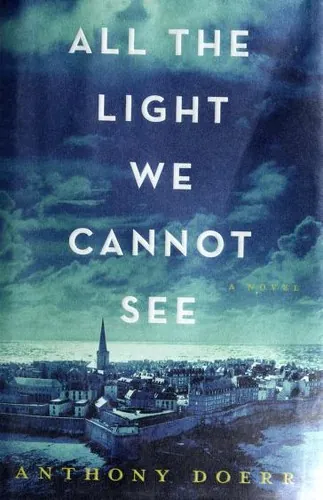
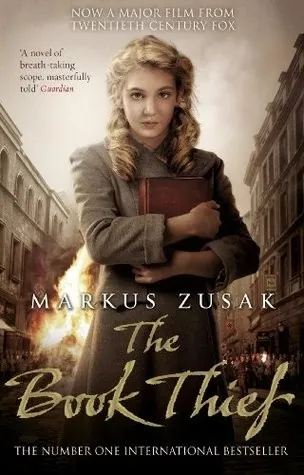
Historical fiction can be approached by the era as easily as by the register, and knowing the great eras helps the reader choose. The ancient world has I, Claudius and Memoirs of Hadrian - Rome from the inside. The medieval world has The Name of the Rose and The Pillars of the Earth - the abbey and the cathedral. The Tudor era has Wolf Hall and its sequels - the court of Henry VIII entered from within. The eighteenth and nineteenth centuries have the great social novels - the worlds of Austen’s England and Tolstoy’s Russia, which are historical fiction for every modern reader. And the war era has the form’s largest shelf - The Book Thief, All the Light We Cannot See, The Nightingale and the rest. The reader who knows which era’s questions they care about - the empire, the abbey, the court, the war - can choose a book accordingly, and the era will carry the interest.
A Reading Plan for Every Kind of Reader
For the first-time reader, start with The Book Thief - young adult in label, universal in reach - and move outward from there.
For the reader who wants craft, start with All the Light We Cannot See and Memoirs of Hadrian, the most literary of the form.
For the reader who wants story, start with The Pillars of the Earth and The Alice Network, built to carry you.
For the reader who wants the deep past, start with I, Claudius and The Name of the Rose.
For the reader who wants gentleness, our family-friendly list is the place to begin, and our guide to biography books offers the true stories behind the fiction for when you want the facts with the story’s power.
The Writer’s Craft
A word on how historical fiction is actually made, because understanding the craft deepens the reading. The historical novelist begins with the research - the years in the archives, the reading of letters and diaries, the immersion in the era’s records - and then must make the leap that history cannot: the invention of the inner life. The great novelists are the ones who keep the two in balance: the facts of the era carried exactly, the inner lives invented with care. The reader who knows this craft reads differently: the historical novel becomes not a lesson or an escape but a collaboration between the era’s record and the novelist’s imagination - and the author’s note becomes the place where the collaboration is visible. The best historical novels are the ones that let the reader see both halves, and the reader who learns to look for the seam reads the whole form more truly.
The Relationship Between Fiction and Truth
A word on accuracy, because it is the question readers ask most. The best historical novelists research seriously - years of archives, letters, scholarship - and the strongest of them tell you in an author’s note what they invented and what they kept. Fiction is allowed to create characters, conversations and inner lives that the record does not preserve; what the best books do not do is distort the record to fit the story. The reader’s best tool is the author’s note: read it, and you will know what is history and what is imagination - and you will usually find that the two, in the best books, serve each other.
The Value of the Reading Itself
There is one more thing worth saying about historical fiction, and it is about the reader rather than the book. A historical novel asks the reader to live in another time for a few hundred pages - to accept its rules, breathe its air and see through the eyes of people who did not know how their story would end - and that act is itself a moral education. The reader who has spent weeks inside the abbey, the court or the war comes back with a wider sense of the present: more patient with difference, more alert to the constraints that shape every life, more aware that our own era will one day be someone else’s history. The great historical novels do not only inform; they enlarge. That is why they are worth reading slowly, worth discussing and worth returning to: the past lived once teaches the reader to live the present once, with more attention. Read a historical novel, and you will never again look at your own time without wondering what it will look like from the other side.
Conclusion: The Past as a Place to Visit
Historical fiction is the closest thing we have to time travel - the form that lets a reader live in another world long enough to see it from inside. Its themes are the permanent ones: survival, justice, the ordinary person in the large event. Its best books are honest about the cruelty of the past and hopeful about the human beings who lived through it. Choose your era, choose your register, read the notes - and let the past receive you. For the full collection of reading paths, start at the Worlds section of our site.