A Thoughtful Guide to Biography Books
Introduction: The Life Lived Twice
A biography is a life lived twice: once by the person who lived it, once by the reader who enters it. It is the literary form that takes a single human being - the president, the artist, the scientist, the survivor, the ordinary person who did something extraordinary - and asks the oldest questions: What made this person? What did they choose, and what did the choices cost? What can a life teach? This guide explains what makes a biography work, how to choose the right life story, and what to expect from the form - for every kind of reader.
What Makes a Biography Great
The great biography has three qualities, and they are worth naming because they separate the best from the merely factual.
The life beneath the fame. The great biography finds the person behind the public figure: the fears, the contradictions, the small choices that made the large life. Nelson Mandela’s calm, Lincoln’s melancholy, the immigrant’s hunger - the best books show that no life is a statue.
Character as the story. The great biographies are studies in character under pressure. The subject is placed in circumstances that test them - war, prison, poverty, power - and the biography is the record of what the testing revealed. Character, the best books agree, is the plot.
The era and the life serving each other. The great biography uses the era to explain the life and the life to illuminate the era: the Civil War explains Lincoln, and Lincoln explains the Civil War. The best books are history and biography at once.
The Two Branches: Biography and Memoir
The form has two great branches, and knowing the difference helps readers choose.
Biography is a life told by another writer, researched from archives, letters and interviews, usually covering the whole span. Its virtue is perspective: the biographer can see the shape of the whole life.
Autobiography and memoir are lives told by the people who lived them. The autobiography covers the span; the memoir takes a slice - a period, a theme, a wound - and examines it. Their virtue is intimacy: the voice of the person who was there.
Both branches are on our lists, and both reward reading. Our best biography books to read gathers both, and the reader who knows which branch they want can choose accordingly.
How to Choose a Biography
Choosing well means choosing two things: the person and the register.
Choose the person whose questions interest you. The president asks about power; the artist asks about making; the survivor asks about endurance; the scientist asks about discovery. The right life is the one whose questions you already care about.
Choose the register you want. The same life can be told as a sweeping narrative, an inspirational testimony, a scholarly study or a clean family read. Decide whether you want to be carried, moved, taught or comforted.
Read the notes. The best biographies are transparent about sources and gaps; the notes and acknowledgments are the map of the research, and they tell you how much to trust the telling.
The Themes and Values of the Form
Biography carries a consistent set of themes, and they are what the form is really for.
The making of a life. Biography is the study of becoming: the circumstances, choices and habits that made the person. The books ask what is given and what is chosen, and the answer is almost always: more is chosen than we think.
Character under pressure. The form places its subjects under the highest pressure - war, prison, poverty, power - and records what the pressure revealed. The books agree that character is not revealed in comfort but in testing.
The ordinary becoming the extraordinary. The best biographies show the making: the deaf-blind girl becoming the writer, the prisoner becoming the president, the immigrant’s child becoming the scientist. The books agree that greatness is made, not given, and that the making is the story.
Content Notes: What to Expect
The honest reading note for the form is this: biographies reflect the lives they tell, and the strongest do not flinch from the difficulties. War, captivity, illness, poverty, addiction and the era’s cruelties are part of the record, and the books carry them because the life requires it. None of the best biographies are gratuitous - the weight is the life - but readers should choose with awareness. The good news is that the same human story is told at many registers: the same endurance that produces an adult biography also produces a clean classic, and our family-friendly biography books gathers the lives without disturbing content, with our moral dilemmas reading list offering the ethical questions the lives raise.
The Eras and Their Lives
Biography can be approached by the era as easily as by the person, and knowing the great eras helps the reader choose. The founding era produced the form’s American originals - Benjamin Franklin’s autobiography defined the self-made life, and the biographies of Washington and Jefferson remain the essential studies of the republic’s makers. The Victorian era produced the great English biographies - the lives of the writers and the empire-builders, told at the full scale the nineteenth century loved. The war era produced the endurance biographies - the lives of the soldiers, the survivors and the resisters, which are the form’s most moving branch. And the modern era has produced the biographies of the makers - the artists, the scientists and the founders, told with the access that only recent lives allow. The reader who knows which era’s questions they care about - the making of a republic, the endurance of a war, the mind of a maker - can choose a life accordingly, and the era will carry the interest.
A Reading Plan for Every Kind of Reader
For the first-time reader, start with Long Walk to Freedom - the life story most often named as life-changing.
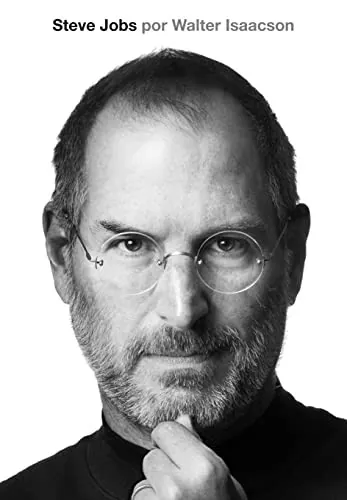
For the reader who wants narrative drive, start with Steve Jobs or Unbroken.
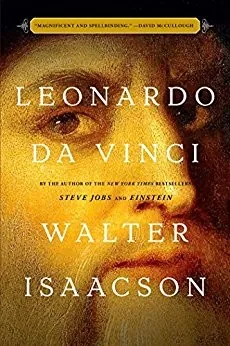
For the reader who wants the makers, start with Leonardo da Vinci.
For the reader who wants the presidents, start with Team of Rivals or Truman.
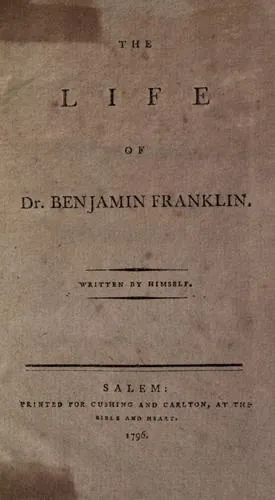
For the reader who wants the classic, start with The Story of My Life or The Autobiography of Benjamin Franklin.
For the reader who wants gentleness, start with the family-friendly list, and for the true stories of whole cultures, our guide to civilizations and culture extends the shelf.
The Biographer’s Craft
A word on how biographies are actually made, because understanding the craft deepens the reading. The biographer begins with the archive: the letters, the diaries, the documents, the interviews with the living. From that material the biographer must make choices - what to include, what to trust, what to omit - and every choice is a judgment. The great biographers are transparent about those judgments: they tell the reader when the record is thin, when the sources conflict and when they are inferring. The reader who knows this craft reads differently: the biography becomes not a finished portrait but a conversation between the subject’s record and the biographer’s judgment - and the notes become the place where the conversation is visible. The best biographies are the ones that let the reader see the craft, and the reader who learns to look at the notes reads the whole form more truly.
The Relationship Between Story and Truth
A word on accuracy, because it is the question readers ask most. The best biographers build on archives, letters, interviews and the subject’s own words, and they are transparent about what the record preserves and what it cannot. A biography is not a novel - the biographer may not invent - but it is a story, and the telling shapes the truth the way all telling does. The reader’s best tools are the notes: read them, and you will know how the biographer worked, what they trusted and what they could not know. The best biographies are honest about their own limits, and that honesty is part of what makes them trustworthy.
The Value of the Reading Itself
There is one more thing worth saying about biography, and it is about the reader rather than the book. A biography asks the reader to live another life for a few hundred pages - to enter a mind, a century and a set of choices that are not their own - and that act is itself a moral education. The reader who has spent weeks inside Lincoln’s cabinet or Mandela’s prison or Helen Keller’s silence comes back with a wider sense of what a human being is: more patient with difficulty, more alert to the making beneath the fame, more aware that every life is a story being written. The great biographies do not only inform; they enlarge. That is why they are worth reading slowly, worth discussing and worth returning to: the life lived twice teaches the reader to live their own once, with more attention. Read a biography, and you will never again look at a public figure, or an ordinary person, without wondering what the making was.
Conclusion: The Life That Keeps Teaching
Biography is the form that takes one human life seriously enough to tell it whole - and the great biographies are the ones that keep teaching after the last page. Their themes are the permanent ones: the making of a life, character under pressure, the ordinary becoming the extraordinary. Choose the person whose questions you care about, choose the register you want, read the notes - and let a life teach you. For the full collection of reading paths, start at the Worlds section of our site.