Best Biography Books to Read
Introduction: The Lives That Reward Reading
A great biography is a life lived twice: once by the person who lived it, once by the reader who enters it. The best biographies find the life beneath the fame - the subject’s contradictions, choices, failures and inner life - and tell it with the narrative drive of a novel and the honesty of history. This guide gathers the strongest biographies across the lives - presidents, artists, scientists, survivors and the unsung - with honest content notes, so you can choose the life story that will move you.
The Essential Life Stories
Long Walk to Freedom by Nelson Mandela (1994) is the essential starting point, and one of the essential memoirs ever written: the boy from a Thembu village who became a lawyer, a revolutionary, a prisoner for twenty-seven years and the first president of a democratic South Africa - told in a voice of extraordinary calm and purpose. It is the life story most often named as life-changing. Content note: deals with apartheid and imprisonment; for readers from around age sixteen upward.
The Diary of a Young Girl by Anne Frank (1947) is the essential companion, and the most read diary in the world: the two years in the Secret Annex, written by a girl who did not know she was writing for posterity - a life cut short, made permanent by her own words. Content note: deals with the Holocaust and its shadows; for readers from around age twelve upward, with discussion.
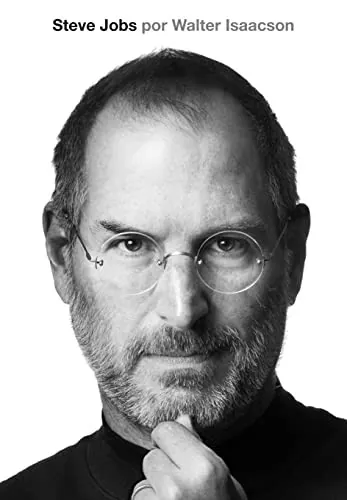
Steve Jobs by Walter Isaacson (2011) is the essential modern biography: the founder of Apple, told by the journalist who interviewed him forty times in his final years - the genius, the cruelty, the obsession, the contradictions, rendered whole. Content note: deals with the subject’s difficult personality and the era’s realities; for readers from around age sixteen upward.
The Story of My Life by Helen Keller (1903) is the essential classic: the deaf-blind girl who learned language and became a writer, an activist and a global symbol of what the human will can overcome - the autobiography that has inspired readers for more than a century. Content note: a classic, appropriate for readers from around age ten upward.
The Presidents and the Leaders
The presidential biographies are the form’s most honored branch, and the best of them are portraits of character under the highest pressure.
Team of Rivals by Doris Kearns Goodwin (2005) is the essential presidential biography: Lincoln, told through the story of how he built his cabinet from his fiercest opponents - the study of leadership through empathy and reconciliation that won the Pulitzer Prize. Content note: deals with the Civil War and its violence; for readers from around age sixteen upward.
Truman by David McCullough (1992) is the essential companion portrait: the plain-speaking Missourian whose character carried him through the presidency’s hardest decisions - the Pulitzer Prize-winning biography of the ordinary man made great. Content note: deals with the war and its decisions; for readers from around age sixteen upward.
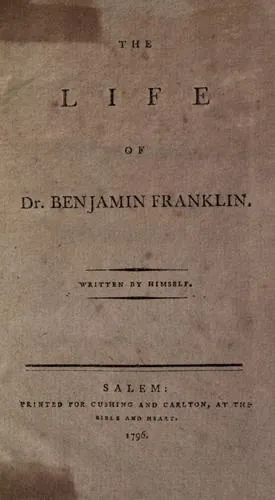
The Autobiography of Benjamin Franklin (1791) is the essential classic of the form: the founding father’s account of his own rise - the printer, the scientist, the diplomat - written as a model of self-improvement, and the book that defined the American biography. Content note: a classic; for readers from around age fourteen upward.
The Artists and the Thinkers
The biographies of the makers show the life behind the work, and the best of them are as absorbing as the art they explain.
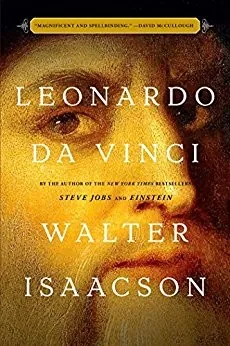
Leonardo da Vinci by Walter Isaacson (2017) is the essential biography of the maker: the painter, inventor and scientist who never stopped asking questions - the life of curiosity, told by the biographer of Steve Jobs and Einstein. Content note: a biography of the Renaissance; for readers from around age sixteen upward.
The Immortal Life of Henrietta Lacks by Rebecca Skloot (2010) is the essential biography of the unsung: the Black woman whose cells - taken without her knowledge in 1951 - became the most important cell line in medical history, and the family who never knew. It is the biography that changed how science tells its stories. Content note: deals with medical ethics and the era’s racism; for readers from around age sixteen upward.
Unbroken by Laura Hillenbrand (2010) is the essential biography of endurance: Louis Zamperini, the Olympic runner turned airman who survived a plane crash, forty-seven days on a raft and two years in Japanese prison camps - the life story of survival that has moved millions. Content note: deals with war and captivity; for readers from around age sixteen upward.
The Scientists and the Inventors
Beyond the presidents, the artists and the survivors, the biographies of the scientists and inventors are the form’s branch for readers who love the mind at work. The Double Helix by James Watson (1968) is the essential pick for the discovery: the race to find the structure of DNA, told by one of the finders - the biography of a discovery, with all its rivalry and luck. The Man Who Knew Infinity by Robert Kanigel (1991) is the essential pick for the genius: Ramanujan, the self-taught Indian mathematician who astounded Cambridge - the biography of the mind that arrived from nowhere. Surely You’re Joking, Mr. Feynman! by Richard Feynman (1985) is the essential pick for the joy of knowing: the physicist’s own stories of safecracking, bongo drums and the pleasure of figuring things out - the autobiography of curiosity itself. And The Code Breaker by Walter Isaacson (2021) is the essential pick for the present: the story of Jennifer Doudna and the gene-editing revolution - the biography of the science that is remaking the future. For readers who want the lives behind the discoveries, these are the books, and they connect the form to the history of ideas.
Themes and Values That Hold the Best Together
Once you have read a few of these lives side by side, the shared qualities become clear.
The life beneath the fame. The great biography finds the person behind the public figure - the fears, the contradictions, the small choices that made the large life. The best books agree that no life is a statue.
Character as the story. The great biographies are studies in character under pressure: Lincoln’s empathy, Mandela’s refusal of bitterness, Zamperini’s endurance. The books agree that the inner life is where the biography happens.
The ordinary becoming the extraordinary. The best biographies show the making: the printer’s apprentice becoming the founding father, the deaf-blind girl becoming the writer, the prisoner becoming the president. The books agree that greatness is made, not given. Our thoughtful guide to biography books develops these themes, and our civilizations and culture reading list extends the shelf from single lives to whole cultures.
How to Choose Your Next Biography
If you want a life told by the person who lived it, start with Long Walk to Freedom or The Story of My Life.
If you want a life under the highest pressure, start with Team of Rivals or Truman.
If you want the makers, start with Steve Jobs or Leonardo da Vinci.
If you want endurance, start with Unbroken or The Diary of a Young Girl.
If you want the unsung, start with The Immortal Life of Henrietta Lacks.
If you want a clean read, our family-friendly biography books gathers the lives without disturbing content, and our books without explicit content list extends the clean shelf.
Content Notes: What These Books Contain
Biographies reflect the lives they tell, and the strongest do not flinch from the difficulties: apartheid, war, captivity, illness and the era’s cruelties are part of the record. None of the books above are gratuitous - the weight is the life - but readers should choose with awareness: The Diary of a Young Girl and Unbroken deal with war and captivity; The Immortal Life of Henrietta Lacks deals with medical ethics and racism; the presidential biographies deal with the Civil War and its decisions. For readers who want the lives without the heaviness, the family-friendly list offers gentler doors into the same human story.
A Reading Plan for Book Clubs
Biographies are made for clubs: the life provides the shared material, and the questions - What would I have done? What made the difference? - provide the discussion. Read Team of Rivals with Truman and compare the two presidents; read Steve Jobs with Leonardo da Vinci and compare the two makers; read Unbroken with The Diary of a Young Girl and compare the two forms of endurance. Our biography themes and values guide offers structured questions for any pairing, and the lives themselves become the conversation.
The Form in One Paragraph
For the reader who wants the whole list in the smallest compass: the best biographies are the lives that reward living twice - the memoirs that tell their own story in their own voice, and the biographies that find the person beneath the fame. Long Walk to Freedom and The Diary of a Young Girl are the essential memoirs; Team of Rivals and Truman are the essential presidential studies; Steve Jobs and Leonardo da Vinci are the essential makers; Unbroken and The Immortal Life of Henrietta Lacks are the essential endurance and the essential unsung. Each is a life taken seriously enough to tell whole, and each leaves the reader with a wider sense of what a human being can become. Whatever the life, the list agrees on the point: greatness is made, not given, and the making is the story.
Conclusion: The Lives That Keep Living
The best biographies endure because they are about something permanent: the life beneath the fame, character as the story, and the ordinary becoming the extraordinary. Every book on this list tells a life - the president, the artist, the survivor, the unsung - and invites the reader to live it twice. Start with whichever life calls to you, and let the biography show you what a human being can become. For the full collection of reading paths, start at the Worlds section of our site.