Best Civilizations and Culture to Read
Introduction: How Societies Are Made
The best books about civilizations and culture answer the largest question there is: how do human beings build worlds? A civilization is not a pile of monuments; it is a way of organizing people - the environment that feeds them, the institutions that rule them, the beliefs that bind them and the stories they tell about themselves. The great books on the subject show how those forces work, why some societies flourish and others collapse, and how the culture we inherit shapes who we are. This guide gathers the strongest of them, with honest content notes and a clear sense of what each does best.
The Big-Picture Classics
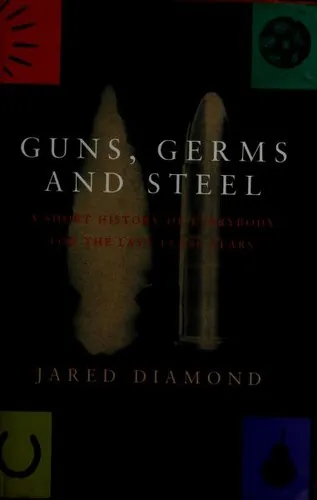
Guns, Germs, and Steel by Jared Diamond (1997) is the essential starting point: the Pulitzer Prize-winning account of why some civilizations developed power and technology while others did not - the argument that geography and environment, not racial superiority, explain the pattern of world history. It is the book that changed how a generation thinks about why the world is the way it is. Content note: a big-picture history; for readers from around age sixteen upward.
Sapiens: A Brief History of Humankind by Yuval Noah Harari (2011) is the essential companion: the story of our species from the Stone Age to the present - the argument that the secret of human dominance is our ability to share fictions, from money and nations to religions and corporations. It is the most widely read book of its kind in the world. Content note: a sweeping history with the era’s realities; for readers from around age fifteen upward.
A Short History of Nearly Everything by Bill Bryson (2003) is the essential companion for the scientific frame: the story of how we came to understand the universe, the earth and life itself - the accessible account of the science beneath civilization, told with Bryson’s wit. Content note: a popular science history; for readers from around age fifteen upward.
The Story of Civilization by Will and Ariel Durant (1935–1975) is the essential companion at the largest scale: the eleven-volume history of the world’s civilizations, from the Orient to the Age of Napoleon - the monument of popular scholarship that readers return to for a lifetime. Content note: a comprehensive history; for dedicated readers.
The Rise and Fall of Societies
Collapse: How Societies Choose to Fail or Succeed by Jared Diamond (2005) is the essential study of decline: the account of societies - from Easter Island to the Maya to modern Rwanda - that destroyed their own foundations, and the choices that made the difference. It is the book that asks whether our own civilization is repeating the pattern. Content note: deals with societal collapse and its causes; for readers from around age sixteen upward.
The Fall of Rome: And the End of Civilization by Bryan Ward-Perkins (2005) is the essential study of the classic case: the argument that Rome’s fall was not a gentle transformation but a genuine collapse that destroyed a civilization’s comforts - the counterpoint to the revisionist historians. Content note: a scholarly history; for readers from around age seventeen upward.
Why Nations Fail by Daron Acemoglu and James A. Robinson (2012) is the essential study of the economic question: the argument that nations succeed or fail because of their political and economic institutions - inclusive institutions that share power and prosperity versus extractive ones that concentrate it. Content note: a political economy; for readers from around age seventeen upward.
The Culture and the Individual
The Culture Map by Erin Meyer (2014) is the essential practical companion: the framework for understanding how cultures differ in communication, decision-making and trust - the book that shows culture working in real time, in every meeting and every negotiation. Content note: a business and culture guide; for readers from around age sixteen upward.
The Geography of Thought by Richard E. Nisbett (2003) is the essential companion about how culture shapes the mind: the psychologist’s account of how East Asian and Western cultures think differently - about the self, causality and contradiction - the book that shows culture living inside cognition. Content note: a work of cultural psychology; for readers from around age seventeen upward.
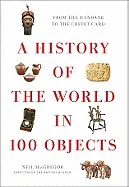
A History of the World in 100 Objects by Neil MacGregor (2010) is the essential companion told through things: the former director of the British Museum’s account of world history through a hundred objects, from a hand axe to a solar-powered lamp - civilization as the record of what people made. Content note: a history told through objects; for readers from around age fifteen upward.
Themes and Values That Hold the Best Together
Once you have read a few of these books side by side, the shared themes become clear, and they are worth naming because they are what make the category cohere.
The environment as the foundation. The great civilization books agree that societies are built on their geography - the rivers, the climate, the resources - and that the environment explains more of history than the heroes do.
The institution as the engine. The books agree that what makes a society flourish or fail is its institutions - the rules that distribute power, wealth and justice - and that the institution, not the individual, is the unit of history.
The culture as the inheritance. The books agree that culture is not decoration but operating system: the beliefs and habits we inherit shape how we think, work and trust, and understanding the inheritance is the beginning of understanding the world. Our thoughtful guide to civilizations and culture develops these themes, and our world literature reading list extends the shelf into the stories the cultures tell about themselves.
How to Choose Your Next Book
If you want the big picture, start with Guns, Germs, and Steel or Sapiens.
If you want why societies fail, start with Collapse or Why Nations Fail.
If you want the culture working today, start with The Culture Map or The Geography of Thought.
If you want civilization told through things, start with A History of the World in 100 Objects.
If you want the scientific frame, start with A Short History of Nearly Everything.
Content Notes: What These Books Contain
The civilization books deal with the full record of human history, including its cruelties: war, conquest, slavery and collapse are part of the subject, and the strongest books do not flinch. None are gratuitous - the weight is historical - but readers should choose with awareness. Sapiens and the popular histories are accessible from around age fifteen upward; the scholarly works like Why Nations Fail and The Fall of Rome are best for readers from around age seventeen upward. For readers who want the big questions at a gentler register, our family-friendly civilizations and culture offers the door, and our responsibility and duty reading list connects the institutional questions to the moral choices of the present.
A Reading Plan for Book Clubs
The civilization books are made for clubs because they generate argument: the big-picture claims are designed to be tested. Read Guns, Germs, and Steel with Collapse and compare the two accounts of the same species; read Sapiens with The Geography of Thought and compare the two accounts of the same mind; read Why Nations Fail with The Culture Map and compare the institutional with the cultural explanation. Our civilizations and culture themes and values guide offers structured questions for any pairing, and the books themselves - read in company - become the debate.
The Books That Explain the Present
The best of the category are not just history - they are the books that make the present legible, and a few of them do that work better than any other.
Sapiens: A Brief History of Humankind by Yuval Noah Harari (2011) is the book to read first: the argument that what made us dominant was not strength or intelligence but the ability to share fictions - money, nations, religions, corporations - that let strangers cooperate at scale. It explains the present because the present is made of shared fictions, and Harari shows the reader the ones they live inside.
Guns, Germs, and Steel: The Fates of Human Societies by Jared Diamond (1997) is the book to read for the map under the news: the argument that geography - the east-west axis, the domesticable plants and animals - explains why some societies developed power and technology while others did not. It is a Pulitzer Prize winner and the essential statement of the environmental argument.
Why Nations Fail: The Origins of Power, Prosperity, and Poverty by Daron Acemoglu and James Robinson (2012) is the book to read for the rules: the argument that the difference between flourishing and failing societies is the institutions - inclusive rules that share power and prosperity versus extractive ones that concentrate both. It changes how you read every headline about poverty and politics.
Collapse: How Societies Choose to Fail or Succeed by Jared Diamond (2005) is the book to read for the warning: Easter Island, the Greenland Norse, the Maya - societies that destroyed their own foundations. The subtitle is the thesis: societies choose, and the choices are visible in advance.
These four are the core of the category, and they share one quality that defines the whole shelf: they do not just describe the past, they hand the reader a framework for seeing the present - the environment under the news, the rules under the headlines, the shared stories under the arguments.
Conclusion: The Worlds We Build
The best books about civilizations and culture endure because they are about something permanent: how human beings build worlds, why the worlds fall, and how the worlds shape the people who live in them. Every book on this list takes one piece of that - the environment, the institution, the culture, the collapse - and builds its own account around it. Start with whichever question calls to you, and let the book show you how the world you live in was made. For the full collection of reading paths, start at the Worlds section of our site.