Biography Books: Themes, Values and Reading Notes
Introduction: What Life Stories Are Really About
Biography looks like a form about famous people, but it is really about something more permanent: the making of a human being. The great life story is not a celebration of fame but an encounter with the oldest questions - What made this person? What did the choices cost? What can a life teach? - and with the discovery that greatness is made, not given, and that the making is the story. This guide names the themes, the values and the reading notes of the form, so that reading a life becomes discussion, and discussion becomes understanding.
The Core Themes of Biography
Five themes run through the form, and they are worth naming because they are what the best life stories are actually about.
The making of a life. Biography is the study of becoming: the circumstances, the choices and the habits that made the person. The books ask what is given and what is chosen - and the answer is almost always: more is chosen than we think.
Character under pressure. The form places its subjects under the highest pressure - war, prison, poverty, power, illness - and records what the pressure revealed. From Mandela’s refusal of bitterness to Lincoln’s empathy, the books agree that character is not revealed in comfort but in testing.
The ordinary becoming the extraordinary. The best biographies show the making: the deaf-blind girl becoming the writer, the prisoner becoming the president, the immigrant’s child becoming the scientist. Greatness is made, not given - and the making is the story.
Power and its costs. The presidential biographies ask what power does to a person and what a person does with it: the empathy of Lincoln, the ambition of Roosevelt, the loneliness of the office. The books agree that power is the highest-pressure test of character.
Endurance and purpose. The survivor biographies ask what human beings can carry and why they carry it: the meaning that made the endurance possible. From the camps to the raft to the prison, the books agree that purpose is the fuel of survival.
The Values the Form Carries
The themes are carried by a consistent set of values, and they are the values that make biography worth reading.
The whole person taken seriously. The form’s first value is completeness: the great biography tells the contradictions, the failures and the costs along with the triumphs. The subject is not a statue but a person, and the reader is trusted with the whole.
The making honored over the fame. The form’s second value is the dignity of the process: the biography honors the work, the failure, the persistence - the making - rather than the fame. The books agree that the interesting story is not the success but the becoming.
The life as a mirror. The form’s third value is the connection between the life and the reader: the questions the life raises - character, power, endurance, purpose - are the reader’s questions, and the life becomes a mirror. Our thoughtful guide to biography books develops these values, and our civilizations and culture themes and values guide connects them to the larger story of whole eras.
Reading Notes: What to Expect and How to Choose
The honest reading note for the form is this: biographies reflect the lives they tell, and the strongest do not flinch from the difficulties. War, captivity, illness, poverty and the era’s cruelties are part of the record, and the books carry them because the life requires it.
The registers. The same life is told at many registers. The adult register (Team of Rivals, Unbroken) trusts the reader with the full weight; the family-friendly register (The Story of My Life, the Who Was series) carries the same inspiration gently. Choose the register that suits the reader, not the life.
The notes. The best biographies are transparent about sources and gaps; the notes and acknowledgments are the map of the research. Read them, and you will know how the biographer worked and what they could not know.
The content notes. Every book on our lists carries an honest note about what it contains. Read the notes, and you will not be surprised.
A Framework for Discussion
Biography is made for discussion, and a simple framework serves any of the books on our lists.
Start with the life. What was the arc of the life - the beginning, the turning points, the end? What did the biography reveal that you did not know?
Move to the choices. What were the decisive choices, and what did they cost? Which choice would you have made, and which would you not?
End with the themes. What does the life reveal about character, power or endurance? What applies to your own life? Where would you argue with the biographer?
The framework works for any pairing on our lists: read Team of Rivals with Truman and compare the two presidents; read Unbroken with The Hare with Amber Eyes and compare the two forms of endurance; read The Story of My Life with I Am Malala and compare the two girls who overcame.
The Great Lives, Grouped by Question
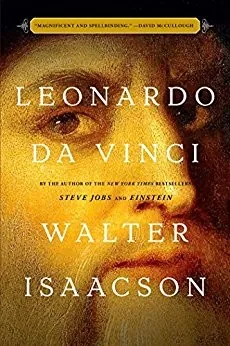
The form’s books can be grouped by the question they answer, and the grouping is a reading map in itself. The lives of power answer the question of what power does to a person: Team of Rivals, Truman, the Roosevelt trilogy - the presidents under the highest pressure. The lives of the makers answer the question of how a mind makes: Leonardo da Vinci, Genius, Steve Jobs - the artists and the scientists. The lives of endurance answer the question of what a human being can carry: Unbroken, The Diary of a Young Girl, The Story of My Life - the survivors. And the lives of the unsung answer the question of who gets remembered: The Immortal Life of Henrietta Lacks, The Hare with Amber Eyes - the stories the record almost lost. The reader who knows which question they are asking can choose the group, and the group will reward them.
The Book Club Pairings
The form rewards pairing, and the strongest discussions come from comparison.
The two presidents: Team of Rivals with Truman - compare the two characters under the highest pressure.
The two makers: Steve Jobs with Leonardo da Vinci - compare the two minds and the two costs.
The two forms of endurance: Unbroken with The Diary of a Young Girl - compare the two survivals.
The two girls who overcame: The Story of My Life with I Am Malala - compare the two voices and the two centuries.
For clubs that want the larger story behind the single lives, our civilizations and culture reading list extends the discussion, and our books without graphic violence list offers the serious lives in a gentler register.
Discussion Questions by Theme
For clubs that want the questions themselves, here are the discussion questions organized by the form’s themes.
The making of a life: What circumstances shaped the subject - and what choices? Where was the turning point, and what made it? What would the subject have become without the era they lived in?
Character under pressure: What was the subject’s greatest test, and what did it reveal? Where did they fail, and what did the failure cost? Was the character consistent across the life, or did it change?
The ordinary becoming extraordinary: What was ordinary about the subject - and what made the difference? Was the greatness a gift or a making? What would the subject say about their own achievement?
Power and its costs: What did power cost the subject - and what did it give? Was the power used well? What would the reader do in the same position?
Endurance and purpose: What carried the subject through the worst? Was the purpose found or given? What is the reader’s own equivalent of the subject’s why?
Content Notes Summary
The form’s content notes are simple and honest: expect the life’s realities - war, captivity, illness, the era’s cruelties - in proportion to the register. The adult books carry the full weight; the family-friendly books carry the same inspiration gently; none of the best biographies are gratuitous. The reading note is choice: read the notes, choose the register, and the life will reward you. For the gentlest door into real lives, start with the family-friendly list; for the full weight, start with the adult list; for the first book, start with our best biography books to read.
The Form in One Paragraph
For the reader who wants the whole form in the smallest compass: biography is the story of a life told whole - the making, the choices, the costs and the character - and its great books are the ones that take a human being seriously enough to tell everything. It shares its material with history but its method with the novel, and its best practitioners bring the archives and the craft together. Its themes are the permanent questions of becoming and endurance; its values are completeness, the making honored over the fame, and the life as a mirror. Its reading notes are honesty and choice. Whatever the life - the president, the maker, the survivor, the unsung - the form asks the same thing of the reader: live this life for a while, and see what it teaches you about your own.
Conclusion: The Life as the Mirror
Biography’s themes - the making of a life, character under pressure, the ordinary becoming extraordinary - are the permanent questions, and its values - the whole person, the making honored, the life as mirror - are the reasons it endures. Its reading notes are honesty and choice. Read a life, discuss it, and let it show you your own; the form is a mirror, and it rewards the reader who looks. For the full collection of reading paths, start at the Worlds section of our site.