Best Books About Historical Fiction by Anthony Doerr

Introduction: The Light Beneath the War
Anthony Doerr is one of the most celebrated historical novelists of his generation, and his reputation rests on a single towering achievement: All the Light We Cannot See (2014), the novel of a blind French girl and a German radio operator whose paths converge in occupied Saint-Malo, which won the Pulitzer Prize in 2015 and has been read by millions. But Doerr is more than one book: his short fiction and his other novels show the same luminous craft, and his historical fiction sits at the heart of a tradition that tells the war through its least powerful witnesses. This guide maps Doerr’s books, the themes that make his writing cohere, and the companions for when you want more.
The Doerr Books in Reading Order
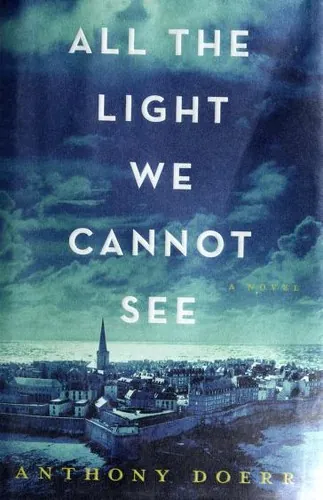
All the Light We Cannot See (2014) is the essential Doerr, and one of the most influential historical novels of the century. Told in two strands that converge in the summer of 1944, it follows Marie-Laure, a blind French girl who flees Paris with her father and the diamond they carry, and Werner, a German orphan with a gift for radio who is drawn into the Nazi war machine. The novel moves through time - the childhoods, the war, the siege of Saint-Malo - and its central claim is in its title: most of the light in our lives is invisible to us, the radio waves and the love and the connections that the war cannot take. It is a war novel without battle scenes at its center, and its beauty is precisely the point.
The Shell Collector (2002) is the essential short-story collection: eight stories about the natural world and the people who study it, from the shell collector of the title to the lighthouse keeper. It shares Doerr’s craft - the precise attention to the physical world - with the war replaced by the natural.
Cloud Cuckoo Land (2021) is the essential companion in epic register: five characters across six centuries, from a fifteenth-century Constantinople to a future spaceship, bound by a single ancient story. It shares Doerr’s structure of converging strands and his conviction that stories are what connect us across time.
Content Notes for Each Book
All the Light We Cannot See deals directly with the war: the Nazi occupation, the roundups, the mines that kill. None of it is gratuitous - the weight is historical and the telling is luminous - but the novel does not flinch from what the war did. It is an adult novel, most naturally from around age fifteen upward, with discussion, and it rewards rereading more than almost any other war novel.
The Shell Collector is gentler in register: the stories deal with nature, loss and obsession, and are suitable for readers from around age fourteen upward.
Cloud Cuckoo Land moves between the centuries and includes the wartime strands of the fifteenth century and the war-torn twentieth; it is best for readers from around age sixteen upward.
The Historical Fiction Themes in Doerr’s Work
Three themes give Doerr’s historical fiction its distinctive shape.
The invisible as the essential is his central claim. The title of his great novel names it: the light we cannot see - the radio waves, the love, the connections - is what matters. Doerr’s history is not the battles but the wavelengths beneath them, and his characters are defined by what they can perceive that others cannot.
The convergence as the structure is the second theme. Doerr builds his novels as two strands that circle each other through history and meet in a single moment. The structure is the meaning: the war is the meeting of separate lives, and the meeting is the point.
The small as the mighty is the third theme. Doerr’s heroes are the least powerful witnesses - the blind girl, the orphan, the child - and his conviction is that the small connections are what the war cannot take. The books agree that the least powerful see the truth the powerful miss.
Why Doerr’s Historical Fiction Endures
All the Light We Cannot See has sold more than fifteen million copies and won the Pulitzer Prize, and its endurance rests on a simple achievement: Doerr made the war feel both enormous and intimate. The novel’s structure - two lives converging in a single besieged city - lets the reader hold the whole war in the span of two childhoods, and its luminous prose made the darkness bearable. It became the shared reference point for readers who wanted the war’s weight without its noise, and it remains one of the most recommended historical novels of the century.
His influence extends beyond the page: the novel shaped how readers talk about the war’s untold witnesses - the blind, the young, the radio operators - and how the culture remembers the occupation of France. But the book endures as literature because of its craft: the prose that renders a radio signal or a sea snail with the same care it renders a siege, and the conviction that the telling is the treasure.
Companion Books for Every Doerr Reader
When you have finished Doerr’s own books, these titles extend the same territory.
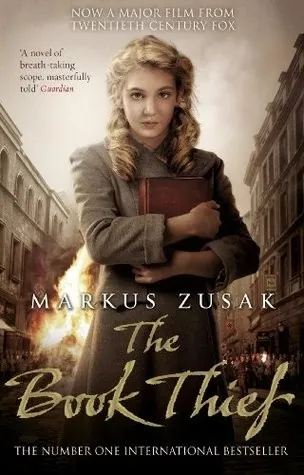
The Book Thief by Markus Zusak (2005) is the essential companion: Liesel, a girl in Nazi Germany who steals books, in the novel narrated by Death and full of love. It shares Doerr’s young narrators, his Germany and his conviction that words are what keep a person human.
The Nightingale by Kristin Hannah (2015) is the essential companion about the women: Vianne and Isabelle, two sisters in occupied France - one who endures, one who fights. It shares Doerr’s occupied France and its women at the center.
Salt to the Sea by Ruta Sepetys (2016) is the essential companion about the forgotten tragedy: four young people who flee toward the Wilhelm Gustloff. It shares Doerr’s structure of converging fates and its young witnesses.
For the fuller shelves, our best historical fiction list gathers the essential titles of the era, and our best civilizations and culture list extends the reading into how the war’s worlds were built.
A Reading Plan for Book Clubs
All the Light We Cannot See is the rare novel that works for a first-time reader at fifteen and a rereader at fifty, which makes it one of the most productive book-club books in recent memory. The most fertile questions are the ones the novel refuses to settle: What does the title actually mean, and who sees the light the rest of us cannot? Why does Doerr tell the war through two children rather than the armies? Does the novel’s beauty risk softening the war’s horror - or is the beauty the point?
The book also generates the hardest kind of discussion: the question of what connects people across a war, and whether the small connections can survive what the war does. Clubs should expect the conversation to be moving rather than comfortable - the novel rewards exactly the kind of feeling it dramatizes.
A Note on the Book’s Structure and Editions
All the Light We Cannot See is structured as two strands that alternate and converge - Marie-Laure’s chapters and Werner’s, moving through time toward the summer of 1944. Readers should know that the novel’s beauty is architectural: the details that seem like atmosphere on a first pass - the radio, the diamond, the sea - are the novel’s moral structure, and the second reading is where the book becomes a companion rather than an account. Read it once for the story, and again for the craft.
What Doerr’s Books Teach Together
Read together, All the Light We Cannot See and Cloud Cuckoo Land form a conversation about what survives the centuries: the first novel says the connections survive the war; the second says the stories survive the world. Both are built on the same conviction - that the telling is the treasure, and that the smallest carriers of the story - the radio operator, the copyist, the reader - are the ones who keep it alive. That is why the two books belong together on the same shelf, and why readers who finish one should not stop there.
How to Read Doerr as a Beginner
Doerr’s novels reward a little patience, and the practical advice for the first-time reader is simple. Start with All the Light We Cannot See and trust the structure from the first pages: the novel alternates Marie-Laure’s chapters and Werner’s, moving through time toward their convergence, and the reader who tracks both strands from the start will feel the architecture the novel is built on. The opening chapters may feel slow - they are establishing the childhoods, the radios and the seas that will carry the whole book - and the momentum builds steadily from there. Keep the title in mind as you read: the light we cannot see - the radio waves, the love, the connections - is the novel’s subject, and every detail is chosen to render it visible. For the reader who finds the war’s weight heavy, Doerr’s short fiction, The Shell Collector, is the gentler door: the same luminous craft, with the war replaced by the natural world.
Why the Invisible Is the Essential
All the Light We Cannot See’s deepest claim is that most of the light in our lives is invisible to us - that the radio waves, the love and the connections that the war cannot take are the essential things, and that the novel’s task is to make them visible. This is why its hero is a blind girl and its emblem is a radio: Marie-Laure sees what the sighted miss, and Werner’s gift for the invisible waves is the same gift. The claim has a spiritual weight as well as a historical one: Doerr’s conviction is that the war’s true history is not the battles but the wavelengths beneath them - the small connections that outlast the destruction - and that the telling is how they are kept. Readers who come to Doerr from the luminous tradition of the war novel - from Zusak’s words to Hannah’s women - will recognize the method, and readers who come fresh will find in the converging lives of the blind girl and the radio operator the clearest door into the war’s invisible light.
Conclusion: The Light That Keeps Giving
Anthony Doerr’s contribution to historical fiction is a single achievement, and it has entered the language: the light we cannot see. He wrote it into the converging lives of a blind girl and a radio operator in a besieged city, and it has outlasted every war novel with a larger body count. His history is not the battles but the wavelengths beneath them; his heroes are the least powerful witnesses; his craft is the prose that makes the darkness bearable. Read him, and let Marie-Laure and Werner show you what the light is really made of. For more reading paths, explore the Worlds section of our site.