Dystopian Fiction
Authoritarian systems, survival under surveillance, and the books that make oppression legible.
Why Dystopian Fiction Has Staying Power
Dystopian fiction does one thing no other genre does as efficiently: it makes the architecture of power visible. The authoritarian state is never the background — it is the antagonist, and understanding its mechanics is always part of reading. This is why the genre has remained important even as readers’ tastes have shifted toward more escapist fiction. A well-built dystopia is never really about a fictional future. It is always about now.
The Hunger Games defined the genre for a generation. Sunrise on the Reaping, its 2025 prequel, demonstrated that Suzanne Collins is still the genre’s most precise political writer — able to show how ordinary people become instruments of oppression through incremental compromise, not sudden villainy.
The Two Modes of Dystopian Fiction
Dystopian novels tend to operate in one of two modes: the survival narrative (protagonist fights to stay alive inside the system) and the resistance narrative (protagonist works to dismantle it). The Hunger Games is both, which is part of its power. Modern dystopian fiction increasingly blends these with romantasy and dark thriller elements — genre-bending that creates some of the most interesting reading available.
Essential Reading
- Beyond the Quarter Quell — Haymitch and Sunrise on the Reaping — the essential read-alike guide for Hunger Games fans
- Beyond the Arena — Hunger Games Fan Guide — everything else you need
- Genre-Bending Survival Guide — when dystopia crosses into other genres
- Dystopia Quiz — test your genre knowledge
- Dystopia Flashcards — master the vocabulary
4 articles in this category
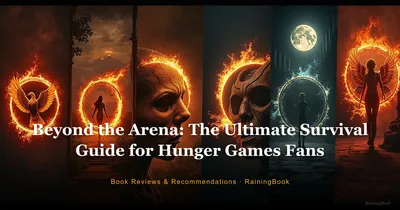
Beyond the Arena: The Ultimate Survival Guide for Hunger Games Fans
Explore Suzanne Collins's Panem, Sunrise on the Reaping, and 10 essential dystopian reads. Expert analysis, reading...
Beyond the Quarter Quell: 10 Must-Reads for Fans of Haymitch and Sunrise on the Reaping
Prepare for Haymitch's story with these 10 essential dystopian reads. From Battle Royale to The Giver, explore survival, rebellion, and the cost of defiance.
Genre-Bending and Reality-Ending: A Survival Guide to Books That Defy Categories
Discover the most genre-shattering books of 2025—from sentient blob boyfriends to fairy bargains. Includes T. Kingfisher intel, debut highlights, and a quiz to find your next read.
The Thinking Reader’s Guide to Speculative Fiction: Literary Depth and Genre Innovation
Discover the best literary speculative fiction of 2026, from R.F. Kuang’s Katabasis to E.J. Swift’s climate epic. Explore novels that blend heart and intellect, with reading paths and expert analysis.