Books Like The Book Thief
Introduction: What Readers Mean by “Books Like The Book Thief”
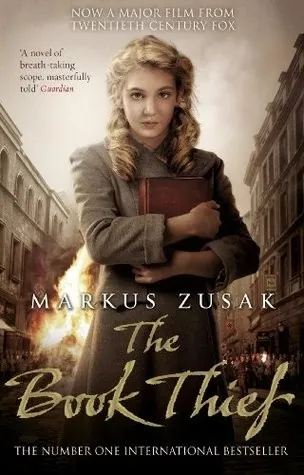
When readers ask for books like The Book Thief, they are rarely asking for just another WWII novel. They are asking for something more specific: a young narrator at the center of the war, words and books as the engine of hope, and a narrative that carries the weight of the Holocaust with beauty rather than noise. The Book Thief (2005) has all three: Liesel, a girl in Nazi Germany who steals books; Death himself as the narrator; and the conviction, held against everything, that words are what keep a person human. The books that come closest are the ones that find their own way to the same combination.
This guide gathers the strongest readalikes, old and new, with honest content notes and a clear sense of what each book shares with Zusak’s novel and where it departs from it.
The War Through the Young
The books that come closest to The Book Thief’s heart are the ones that tell the war through its youngest and least powerful witnesses.
Salt to the Sea by Ruta Sepetys (2016) is the essential companion: four young people from different nations flee toward the Wilhelm Gustloff, the ship whose sinking killed more people than the Titanic. It shares The Book Thief’s structure - young narrators, converging fates, history’s shadow - and its insistence that the young are the ones who see the truth. Content note: a young adult novel dealing with war, loss and the sinking; for readers from around age fourteen upward.
Between Shades of Gray by Ruta Sepetys (2011) is the essential companion about endurance under the worst: Lina, a Lithuanian girl deported to a Siberian work camp with her family, in the novel of the art she makes secretly and the hope that survives. It shares The Book Thief’s structure and its seriousness. Content note: a young adult novel dealing with the Soviet deportations; for readers from around age fourteen upward, with discussion.
The Boy in the Striped Pajamas by John Boyne (2006) is the essential companion about the fence: Bruno, the son of a Nazi commandant, and Shmuel, a boy in the camp across the fence, in the novel of the friendship that ignores what the adults have built. It shares The Book Thief’s young eye and its devastating final turn. Content note: a young adult novel dealing directly with the Holocaust; for readers from around age twelve upward, with discussion.
The Books and the Words
A second branch of the family is the novel about books and reading under the war - the conviction that words are the resistance.
The Librarian of Auschwitz by Antonio Iturbe (2012) is the essential companion about the books in the worst place: Dita Kraus, the fourteen-year-old who guards the eight books smuggled into Auschwitz, in the novel of the library that exists against everything. It shares The Book Thief’s engine - the words that keep people human - and its setting. Content note: a young adult novel dealing directly with the Holocaust; for readers from around age fourteen upward, with discussion.
The Book of Lost Names by Kristin Harmel (2020) is the essential adult companion about the forgers: Eva, a young woman in occupied France who forges documents for Jewish children fleeing the Nazis, in the novel of the names she records and the code she hides in books. It shares The Book Thief’s conviction that books carry what the war would destroy. Content note: an adult novel dealing with the war and the resistance; for mature readers.
The Guernsey Literary and Potato Peel Pie Society by Mary Ann Shaffer and Annie Barrows (2008) is the essential companion in lighter register: a writer in postwar London corresponds with the members of a book club on occupied Guernsey, in the novel told entirely through letters. It shares The Book Thief’s love of reading as the thing that holds people together. Content note: a novel of the war’s aftermath, gentle in register; for readers from around age fourteen upward.
The Two Strands and the Beauty
A third branch is the novel that shares The Book Thief’s craft: the two-strand structure and the luminous prose that makes the darkness bearable.
All the Light We Cannot See by Anthony Doerr (2014) is the essential companion: Marie-Laure, a blind French girl, and Werner, a German radio operator, whose paths converge in occupied Saint-Malo, in the novel of the radio waves and the light. It shares The Book Thief’s beauty, its two young narrators and its conviction that the small connections survive the war. Content note: an adult novel dealing with the war; for readers from around age fifteen upward.
The Nightingale by Kristin Hannah (2015) is the essential adult companion about the sisters and the resistance: Vianne and Isabelle, two sisters in occupied France - one who endures, one who fights. It shares The Book Thief’s German setting and its women at the center, with the friendship replaced by the sisterhood. Content note: an adult novel that includes wartime violence, including sexual violence; for mature readers.
Themes and Values That Hold the Readalikes Together
Once you have read a few of these books side by side, the shared themes become clear, and they are worth naming because they are what make the category cohere.
The words as the resistance runs through every one of them. The Book Thief’s central claim - that Liesel’s stolen books are what keep her human, and that words are the thing the war cannot take - is the load-bearing structure of the whole family. The books are united by the conviction that reading is not the soft part of the war story but its engine.
The young eye on the war is the second shared shape. The family is united by the young narrators - the girl with the books, the girl in the camp, the boy at the fence - and by the conviction that the war is best told by the people who were its least powerful witnesses. The books agree that the young are the ones who see the truth the adults manage to avoid.
The beauty that carries the weight is the third shared theme. The family is united by prose that is luminous rather than loud, and by the conviction that beauty is not an escape from the darkness but the way the darkness becomes bearable. The books agree that the telling matters as much as the tale.
What to Read Next Depends on Why You Loved It
If you loved the young narrators, read Salt to the Sea and Between Shades of Gray.
If you loved the books and the words, read The Librarian of Auschwitz and The Book of Lost Names.
If you loved the beauty and the craft, read All the Light We Cannot See and The Nightingale.
If you loved the reading that holds people together, read The Guernsey Literary and Potato Peel Pie Society.
If you loved the devastating final turn, read The Boy in the Striped Pajamas.
Content Notes: What These Books Contain
The Book Thief is a young adult novel that deals directly with the Holocaust and the war, usually recommended for readers from around age thirteen or fourteen upward, with discussion. Salt to the Sea and Between Shades of Gray deal with war and loss. The Boy in the Striped Pajamas deals directly with the Holocaust. The Librarian of Auschwitz and The Book of Lost Names deal with the war and the camps. The Guernsey Literary and Potato Peel Pie Society is the gentlest of the set. All the Light We Cannot See is an adult novel dealing with the war. The Nightingale is an adult novel with wartime violence, including sexual violence. None contain gratuitous content; the weight is historical and emotional. Our thoughtful guide to historical fiction and our best biography books list offer related reading paths for the questions of courage and endurance these books raise.
Why These Books Work as a Set
Read together, these readalikes form a coherent shelf rather than a random pile, and the coherence is worth naming for anyone building a reading list. They are bound by the conviction that the war story is best told by its least powerful witnesses - the girl with the books, the boy at the fence, the young people on the ship - and that words are what keep a person human against everything. They are also bound by craft: nearly every title here manages the war’s weight with beauty rather than noise, letting the reader carry the darkness because the prose is luminous. That shared DNA means the shelf rewards reading in almost any order - the books talk to each other. The Librarian of Auschwitz deepens The Book Thief; All the Light We Cannot See reframes Salt to the Sea; The Nightingale echoes the German setting back at it. For a reader working through the family, the pairings are as instructive as the individual titles, which is why the reading plan below suggests specific combinations rather than a single sequence.
A Reading Plan for Book Clubs
The Book Thief generates conversation on every level: the narrator, the words, the question of what keeps a person human under the worst. Some of the best discussion questions come from pairing it with a book that shares or challenges it: read it with All the Light We Cannot See, and compare the two structures and the two beauties; read it with The Librarian of Auschwitz, and ask what the words are actually for; read it with The Boy in the Striped Pajamas, and discuss the two young eyes and the two fences.
Conclusion: The Words That Keep Giving
The Book Thief endures because it is about something permanent: the conviction that words are what keep a person human, that the war is best told through its youngest witnesses, and that beauty is how the darkness becomes bearable. Every book on this list takes one piece of that - the young, the words, the craft - and builds its own account around it. The joy of reading them is the joy of watching the same courage practiced in different countries, different camps, different registers. Start with whichever part of Liesel’s story you loved most, and let the comparison teach you what the words are really made of. For the full collection of reading paths, start at the Worlds section of our site.