Books About Belonging: Finding Your People, One Page at a Time
Why we built the Community and Belonging category: the books about the places we belong, the loneliness we fear, and the belonging we build - gathered and explained.
8 items in this category

A Man Called Ove

Bowling Alone
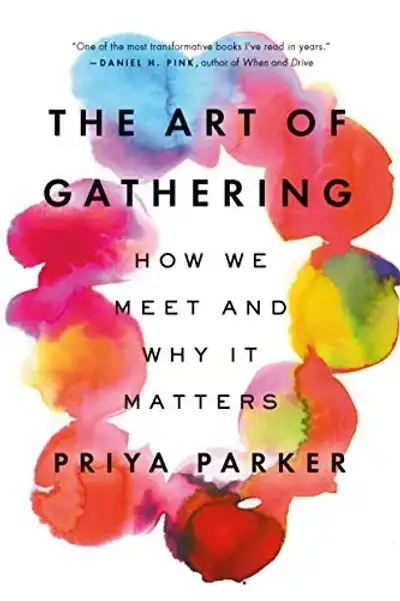
The Art of Gathering
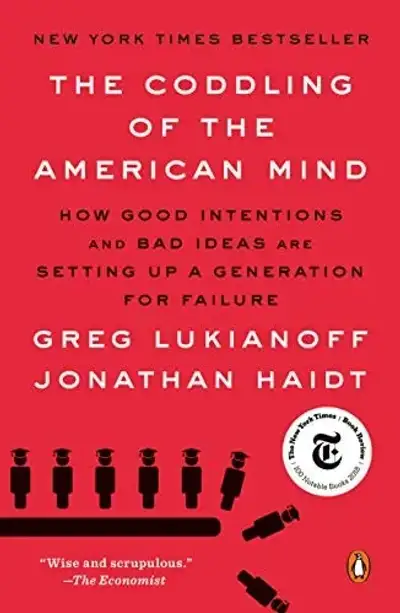
The Coddling of the American Mind
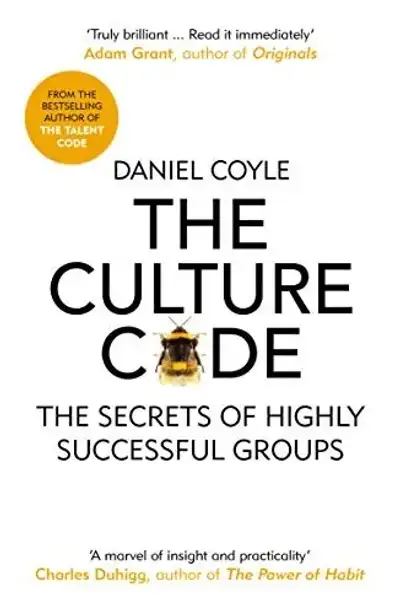
The culture code

The No. 1 Ladies' Detective Agency

The Thursday Murder Club
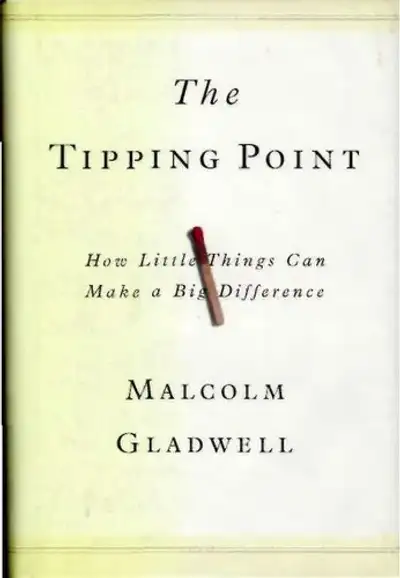
The Tipping Point
The Need to Belong
The need to belong is not a preference; it is a need, as basic as hunger and as old as the species. Humans evolved in groups, and the solitary human is, biologically, a human in danger: the group was the protection, the information network and the source of the shared meaning that made life bearable. This is why loneliness hurts the way physical pain hurts - the same neural systems are involved - and why the modern epidemic of loneliness, documented across every age group, is treated by researchers as a health crisis comparable to smoking or obesity. We are not built to belong alone, and the books in this category are the record of what belonging is, why we need it and how it can be built.
We built this category because loneliness has become the quiet epidemic of our age, and we believe the books have something real to say about it. The need to belong is not a preference but a need - and the reading life is one of the few places left where the subject is treated with the seriousness it deserves. So we gathered the site’s articles on community and belonging - the five-article set the Relationships section builds for each of its central themes - into a single shelf covering both halves: the community, the places and groups where belonging is offered, and the belonging itself, the felt experience of being at home among others, which no number of acquaintances can substitute for.
What This Category Holds, and Why Each Article Matters
Best Community and Belonging to Read is the curated starting point - the essential shelf, ranked and explained. A Thoughtful Guide to Community and Belonging builds the framework: what belonging is, why it is so important, and how it differs from mere togetherness.
Meaningful Community and Belonging for Adults takes the subject to the stage of life where belonging is hardest to find - the adult years of mobility, work and digital life, when the old containers of community have loosened and belonging must be deliberately built. Family-Friendly Community and Belonging is the children’s angle - the clean, wholesome books that teach the next generation what it feels like to belong and how to offer belonging. And Community and Belonging: Themes, Values and Reading Notes is the reader’s companion, unpacking the themes and equipping the discussion.
Belonging versus Togetherness
The category’s central distinction is between togetherness and belonging. Togetherness is the physical fact - the people in the room, the group in the app, the crowd in the street. Belonging is the felt experience - the sense that you are known, wanted and safe among those people, that you can be yourself without performing, that your absence would be noticed and your presence valued. The distinction matters because the modern world is full of togetherness and empty of belonging: we are surrounded by people, connected by devices, and lonelier than ever. The books in the category argue that belonging is not produced by proximity but by the specific practices of being known - the shared history, the honest self-revelation, the reliable presence, the willingness to be known in return.
This is also why the category connects so naturally to the Growth virtues. Belonging requires vulnerability - the courage to be seen, which the Growth section explores in its Courage and Character categories. It requires loyalty - the staying, which the Friendship category explores. It requires kindness - the offering of safety to others, which makes the group a place where belonging can grow. The two sections are the two faces of the same work: the person becoming worthy of belonging, and the community being built that offers it.
How to Build Belonging
The books in the category are practical, and their counsel can be named. The first practice is showing up: belonging is built by presence - the regular attendance, the reliable return - which is the foundation every community is built on. The second is being known: the honest self-revelation, in safe increments, that lets others actually know you, which is the difference between membership and belonging. The third is knowing others: the attention to the people around you - their names, their stories, their struggles - which is the offering that makes the group safe for everyone. The fourth is serving: the contribution - the task taken, the help given - which turns the member into a builder and the group into a home. And the fifth is hospitality: the deliberate welcoming of the newcomer, which is how belonging is multiplied and how the lonely are brought in.
These five practices are the whole of the category’s curriculum, and they are available to anyone, in any group, starting this week. The books supply the theory and the stories; the practices supply the daily shape. And the family-friendly shelf carries the whole teaching to children - the clean, wholesome stories of characters who show up, are known, know others, serve and welcome, so that the shape of belonging is in place before it is needed.
How to Use This Category
The five articles form a complete course: the best-of list to start, the guide for the framework, the adults angle for the years when belonging must be built, the family-friendly angle for the children, and the reading notes for the discussion. The Relationships section, the pillar behind this category, holds the full library of the site’s relationship reading.
What Happened to Community
The category’s books are in near-unanimous agreement about what happened to community in the modern world, and the account is not sentimental but structural. For most of human history, belonging was supplied by the containers: the village, the extended family, the neighborhood, the parish, the union, the club. These containers had many faults - they were confining, judgmental and inescapable - but they provided the thing the modern world lacks: the automatic community, the belonging that did not have to be built because it was already there, held together by proximity, interdependence and shared ritual. The modern world dismantled the containers for excellent reasons - mobility, freedom, the exit option - and replaced them with the voluntary community: the community we must choose, join and maintain ourselves. The voluntary community is better in every way that freedom can measure, and worse in one: it requires effort. And the books argue that this is the whole crisis of belonging in one sentence: we replaced the automatic with the voluntary and did not update our expectations.
Two further forces compounded the change. The first is the digital replacement: the feed offers the feeling of community - the group, the discussion, the affirmation - without the structure of it, and the research increasingly shows that connection without belonging does not reduce loneliness but can deepen it, by substituting the appearance of relationship for the reality. The second is the decline of the third place: the café, the barbershop, the community center - the places that are neither home nor work, where the unplanned encounter happens and the loose community is formed. The books’ counsel follows from the diagnosis: do not wait for the containers to return; they will not. Build the belonging where you are, with the five practices, and make the third place deliberately - the regular table, the recurring group, the standing invitation.
Belonging in the Digital Age
The digital age is not the enemy of belonging but the latest and most demanding test of it, and the category’s books offer a careful verdict rather than a simple condemnation. The digital is genuinely good at the maintenance of belonging that already exists: the group that was formed in person and continues online, the family that spans continents, the friend who moved away and is kept close by the daily thread. It is genuinely poor at the creation of belonging, because belonging requires being known - the shared history, the honest self-revelation, the reliable presence - and the digital medium optimizes for the performance of the self rather than the revelation of it. The books’ counsel is the same division of labor the friendship literature recommends: use the digital to keep what you have, and invest the in-person time where the belonging is actually built.
The more interesting counsel is about the group itself. The digital group - the forum, the fandom, the cause - can generate a real sense of belonging, and the books take it seriously rather than dismissing it: the young person who finds their people online is experiencing the real need being met, not a counterfeit of it. The risk is the same risk that attends every voluntary community: the belonging that is easy to enter is easy to leave, and the community that costs nothing is worth nothing. The counsel is to move the digital belonging toward the physical: the meetup, the shared project, the regular call with faces and voices, the service performed together. Belonging, in the end, is built in bodies - in the shared room, the shared meal, the shared work - and the digital is the bridge to that room, not the room itself.
The same counsel applies to the reading life, which is why this category exists at all. A book about belonging cannot hand you the community, but it can do three things no gathering can: it can name what you are missing, so the ache becomes a direction; it can show you belonging being built, so you recognize the practices when you see them; and it can keep you company in the meantime, so the loneliness is not carried alone. Read the guides, practice the five, and let the stories do the waiting - the belonging you build will be the more deliberate for having been imagined first.
The Difference Between Proximity and Recognition
It is worth being precise about the distinction this category is built on, because the culture usually blurs it. Being surrounded is a matter of proximity - people in the same room, the same office, the same feed. Being known is a matter of recognition - people who can finish your sentences, who know what you are going through without being told, who have seen you at your worst and stayed. Belonging is the second thing, and it is rarer and more valuable than the first. The books on this shelf are about the second thing.
That distinction matters because it explains a modern paradox the literature keeps circling: we have never been more surrounded and never felt more alone. The novels and memoirs in this category are not nostalgic for small towns; they are precise about what smallness provides and what it costs. What it provides is being known - the grocer who asks about your mother, the neighbor who notices your light is off. What it costs is privacy and freedom. The best books on the shelf refuse to pretend the trade is simple, and that refusal is part of why they are worth reading: they treat belonging as a real good and a real price, not a slogan.
Where Belonging Is Actually Built
The stories in this category keep returning to the same answer about where belonging is built: in shared work, shared meals, shared trouble. The community that forms around a common task - a harvest, a flood, a play, a cause - is the community that lasts, because the members have seen each other useful. The read-alikes on this shelf are full of that: groups of people thrown together by circumstance who become something more because they had to rely on each other. The lesson transfers directly to modern life. Belonging is not found by looking for people like you; it is built by showing up, over and over, to something that needs doing, next to people who are also showing up.
How the Shelf Helps You Build It
The guides on this page give you the shape of the subject - what belonging is, which books carry it, how to think about the practice. The read-alikes give you the stories, which are the better teacher. The family-friendly shelf brings the theme to younger readers, because children understand belonging early - the longing to be picked, the fear of being left out - and the books give you a way to talk about it. The meaningful shelf for adults takes the subject to its full depth, because the question changes with age: what does belonging look like when you have moved cities, lost your people, started over? The themes-and-reading-notes article turns it all into conversation material, which is fitting, because conversation is one of the primary ways belonging is built. Read the shelf, and then go do the thing it describes: find the group, do the work, stay.
The Books That Gave Belonging a Language
Some of the books on this shelf did more than describe belonging; they helped create it. There are novels here that became shared experiences for whole groups of readers - books that people passed to each other with the words “this is what I have been trying to say,” books that gave a community a language for what it already felt. That is one of the few documented powers of fiction: it can make a private feeling public, and in doing so it makes the people who have the feeling feel less alone. The read-alikes on this page are partly chosen for that power.
The family-friendly shelf carries the same theme to younger readers, and it matters there for a specific reason: the fear of being left out is one of the sharpest feelings of childhood, and the books give children a way to see that the feeling is universal and survivable. The meaningful shelf for adults goes to the harder edges of the subject - the belonging that is lost, the community that fails, the loneliness that persists despite every effort. Reading both shelves is the honest version of the category: belonging is real, it is worth building, and it is not guaranteed. The books help with the building, and they keep you company while you do it.
Where This Category Lives
The Relationships section is the pillar behind this category - every article gathered here lives in it, and it holds the full library of the site’s relationship reading. Browse the section here. From there the same themes continue into the other sections - the community under ordeal in Stories, the virtues belonging requires in Growth, the belonging as craft in Guides - and the category pages of the site gather those shelves by subject.
Belonging Is Built. Start Tonight.
The books on this page do not just describe belonging - they are the proof that it is built, in shared rooms, shared meals and shared stories. If you have been feeling like the odd one out, or if you are building the space where other people belong, the guides here are the blueprint.
Take the guide, then the shelf - and this week, do not just read the book: read it in company. Hand it to someone. Start the conversation it opens. That is the theme happening in real time.
The belonging you are looking for is on the other side of a book handed to a friend. Hand it.