Happiness Books: The Art of Choosing Joy
Read-alikes for the books that explore happiness - the art of it, the science of it, and the joy that comes from choosing it.
2 items in this category
The Most Studied Question
Happiness is the most studied question in the history of advice, and the least settled. Every civilization has produced its manuals - the Stoics, the Epicureans, the mystics, the self-help authors - and every generation has rediscovered the same few answers in new clothes. What the modern science of happiness adds is measurement: in the last thirty years, researchers have actually tested the ancient claims, and the results are striking less for their novelty than for their confirmation. The practices the philosophers recommended - gratitude, friendship, meaningful work, the mastery of attention - turn out to be exactly the practices that predict measurable well-being.
We built this category for the readers who have noticed that happiness is not the accident of circumstance but the art of attention - and who want the books that take that art seriously. The read-alike shelves gathered here circle the same discovery from different directions: The Book of Joy, The Happiness Project and The Art of Happiness each argue, in its own register, that joy is something we can learn to choose. This page is the index to that argument. It is a small category, built entirely from read-alike shelves, but it sits close to the heart of the Growth section because the question it addresses is the one behind all the others: what is this for, if not this? The three shelves gathered here - built around The Book of Joy, The Happiness Project and The Art of Happiness - represent the three great approaches to the question: the spiritual, the practical and the scientific.
The Three Shelves: Three Approaches to Happiness
The Book of Joy is the spiritual shelf. It records the remarkable week-long conversation between the Dalai Lama and Archbishop Desmond Tutu - two men who suffered exile, oppression and loss, and who are nevertheless, by universal testimony, two of the most joyful human beings alive. The read-alikes around it share its central claim: that joy is not the reward of fortunate circumstances but the fruit of a trained mind - a skill that can be cultivated by anyone, in any circumstance. The shelf is the category’s proof that joy survives suffering, and that the practices of the joyful - gratitude, humor, forgiveness, service - are available to everyone.
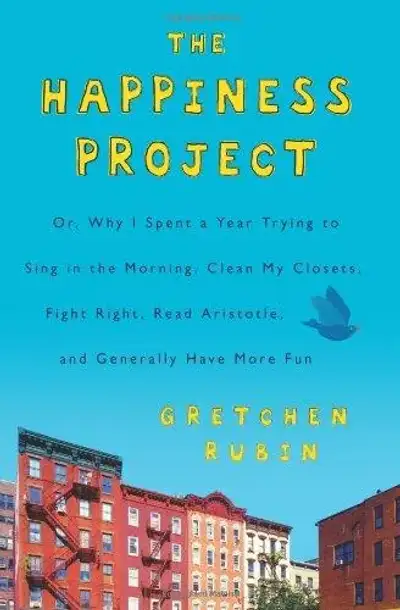
The Happiness Project is the practical shelf. Gretchen Rubin’s book is the record of a year-long experiment: one ordinary woman, in an ordinary life, applying the research on happiness one month at a time - energy, marriage, work, money, play. The read-alikes around it share its method: happiness as a project, pursued with the tools of the self-help tradition - habits, lists, small experiments, measurable changes. Where the spiritual shelf asks you to transform your mind, the practical shelf asks you to transform your Tuesday. Both, the category insists, are necessary.
The Art of Happiness is the scientific shelf. It is the Dalai Lama’s teaching filtered through the psychiatrist Howard Cutler, who translated the Buddhist psychology of happiness into the vocabulary of Western research. The read-alikes around it share its bridge-building project: the ancient wisdom, tested against modern psychology, and the discovery that they agree far more than they differ. The shelf is the category’s evidence that the science and the tradition are converging on the same map of the well-lived day.
What the Science of Happiness Has Established
The three shelves converge on a body of findings that the category treats as established. The first is the happiness set point: research suggests that about half of our happiness is genetic, about ten percent circumstantial, and the remaining forty percent - the largest share we can actually change - is a matter of intentional activity. This is the single most liberating finding in the field: it means that happiness is not mostly luck, and it is not mostly circumstance. It is mostly practice, and practice is available to everyone.
The second finding is about adaptation: humans adapt to changes in circumstance - the raise, the house, the promotion - much faster than we expect, and the happiness they deliver fades. This is why the pursuit of more rarely delivers lasting joy, and why the tradition’s emphasis on attention and gratitude makes sense: those practices target the forty percent that does not adapt. The third finding is about connection: across every study, the strongest predictor of happiness is the quality of relationships, not wealth, status or achievement. The happiest people are not the most successful; they are the most connected. This is why the shelves in this category link so naturally to the Relationships section of the site.
A Suggested Reading Path Through the Category
If you are new to the subject, a good path runs from the practical to the spiritual to the scientific. Begin with The Happiness Project - the most immediately actionable, the one you can imitate this month. Then take The Book of Joy for the deepest testimony - two holy men who suffered everything and chose joy anyway. Finish with The Art of Happiness for the synthesis: the ancient wisdom and the modern research, shown to agree. Read in this order, the category moves from method to meaning to evidence - and by the end, the question has stopped being theoretical.
The Practices That the Shelves Share
Read the three shelves side by side and a common set of practices emerges - the practices the tradition and the science both recommend. The first is gratitude: the daily attention to what is given, which appears in all three books and is the subject of its own category on this site. The second is connection: the research is unambiguous that relationships are the strongest predictor of happiness, and the joyful men of The Book of Joy are, above all, friends. The third is service: both the Dalai Lama and Tutu locate their joy partly in working for others, and the research agrees that helping is one of the most reliable happiness practices there is. The fourth is attention: the mastery of the present moment, which the Buddhist tradition calls mindfulness and the science calls the control of the wandering mind. And the fifth is play: Rubin’s Happiness Project devotes a whole month to it, and the research agrees that play - the activity done for its own sake - is not a luxury but a nutrient.
These five practices are the category’s real content. The books are the instruction manuals; the practices are what they teach. And because they are practices rather than possessions, they are available in any circumstance - which is the deepest lesson of the category, and the one its most joyful witnesses demonstrate: the two men in The Book of Joy had every reason to be bitter, and chose instead to be joyful, daily, for a lifetime.
Happiness and the Growth Section
The happiness category is small but it is not peripheral - it is the question the whole Growth section exists to serve. Every other category is a channel to it: Gratitude is a happiness practice, Purpose and Meaning supplies the direction that makes happiness durable, Resilience protects it, Patience waits for it, and Character is the ground on which it grows. This is why the category links so naturally to the rest of the section, and why the site’s two maillages matter: you can arrive at happiness through the specific practices - gratitude, purpose, resilience - or directly through this category, and both routes converge.
For the reader who wants the direct route, the path is short: read The Happiness Project and do one of its months; read The Book of Joy and borrow its practices; read The Art of Happiness and understand why both work. Then practice - the category is one of the few where the reading and the living are the same activity, and where a single well-chosen book, actually applied, can measurably change a life.
How to Use This Category
The three shelves are the category; read them together to see happiness from the three angles that matter - the spiritual, the practical and the scientific. And the Growth section, the pillar behind this category, holds the full library of personal-growth reading, where happiness links naturally to Gratitude, Purpose and Meaning, and Resilience.
The Joy That Survives
The category’s deepest claim is also its most counterintuitive: joy survives. It survives poverty, exile, oppression and loss - not because the joyful are naive, but because joy is a trained response to life rather than a reward for good fortune. The Book of Joy is the proof: two men who suffered everything, practicing joy daily for a lifetime. The Happiness Project is the method: the ordinary life, improved by attention. The Art of Happiness is the evidence: the ancient practices, confirmed by modern research. Read together, the three shelves make the case that joy is not the possession of the fortunate but the achievement of the practiced - and that the practice is available to everyone, starting tonight, starting with the smallest attention to what is already given.
This is why the category, though small, is essential to the Growth section: it is the destination that the other categories serve. The gratitude practice, the purpose found, the resilience built, the patience practiced - these are the roads, and happiness and joy are the country they travel through. The three shelves gathered here are the map of that country, and every article on the site that links here is pointing the reader toward it.
The Garden, Not the Weather
The books in this category make a claim that is easy to miss because it is so unfashionable: happiness is not a mood that happens to you, it is a practice that you do. The culture treats happiness as a weather system - something that arrives and departs, largely beyond control. The literature on this shelf treats it as a garden - something that is planted, watered and tended, and that responds to the tending. That is not a sentimental claim; it is the finding of decades of research, and the guides on this page draw on it honestly.
The read-alikes are the heart of the category. The books they lead you to - The Book of Joy, The Happiness Project, The Art of Happiness - are not self-help in the thin sense; they are accounts of people who took happiness seriously enough to study it, practice it, and report back. What they report is remarkably consistent: the practices matter more than the circumstances. Gratitude, connection, purpose, attention - the daily choices add up to more than the occasional windfall. The category collects those accounts so that the reader can learn from people who did the work.
The Difference Between Joy and Happiness
The category deliberately pairs happiness with joy, because the two are different and both are worth having. Happiness, in the books, is the steadier thing - the contentment that comes from a life that is going reasonably well, built from the daily practices. Joy is the sharper thing - the moments of full presence, of delight, of being completely alive, which arrive without warning and cannot be scheduled. The books are clear that you cannot manufacture joy, but you can make yourself available to it: by being present, by paying attention, by not being so busy managing your life that you miss it when it comes.
That distinction is practical, not just conceptual. A reader who expects to feel joy all the time will be disappointed by a life that is mostly contentment punctuated by joy - and may conclude, wrongly, that they are doing happiness wrong. The category exists partly to correct that error: to say that the steady practice and the occasional peak are both real, both valuable, and both part of the picture.
The Shelf in the Wider Library
Happiness connects to nearly everything else on this site, and the links on this page map the connections. It connects to gratitude, because thankfulness is the most reliable happiness practice the research has found. It connects to purpose-and-meaning, because the books agree that meaning is a large part of the happiness that lasts. It connects to hope, because joy and hope are close relatives. And it connects to the positive-messages category, which holds the books that leave the reader lighter. Read the shelves together and the subject reveals its full shape: happiness is not a topic that stands alone, it is the result of practicing the other virtues on the site.
Starting With the Accounts of People Who Practiced
Start with the read-alikes - the accounts of people who practiced - or with the guide if you want the shape of the subject. Read slowly, and take the practices seriously enough to try them: the gratitude list, the presence exercise, the attention to what is already good. The category’s deepest argument is that happiness is not something you find; it is something you build, a little every day, and the books on this page are the building instructions.
What the Books Do Not Promise
The category would be dishonest if it promised that reading these books will make you happy, and it does not make that promise. What the books actually promise is more modest and more useful: that the practices of happiness are learnable, that they work for most people most of the time, and that even a small improvement in the daily practice is a real improvement in the daily life. The books are also honest about the limits - that circumstances matter, that grief and pain are real, that no practice eliminates the hard parts of being human. What the practice does is shift the balance: a life with the practices is a life where the good is noticed, the ordinary is savored, and the hard parts are carried with more resources. That is the honest promise, and it is enough.
The practice, as the books never tire of saying, is the point - and it is always available.
Where This Category Lives
The Growth section is the pillar behind this category - every article gathered here lives in it, and it holds the full library of the site’s writing on personal growth and the virtues. Browse the section here. From there the same themes continue into the other sections - joy under ordeal in Stories, joy in relationship in Relationships, joy as craft in Guides - and the category pages of the site gather those shelves by subject.
Happiness Is Not a Topic. It Is a Read.
The books on this page are not about happiness in the abstract - they are the books that produce it, the ones readers report feeling lighter after. That is the whole point of the shelf: not to define joy but to hand you the books that deliver it.
So stop reading about the feeling and take the shortcut to it. Open the Art of Happiness shelf or the Book of Joy shelf, pick the first title, and read it this week with the lights low and nothing else on your schedule. The book will do the rest.
You came to this page because you wanted more joy. The next step is a book, and the book is one click away.