Patience Books: The Neglected Virtue of Waiting Well
Guides and author deep-dives about patience - the neglected virtue of waiting well.
6 items in this category
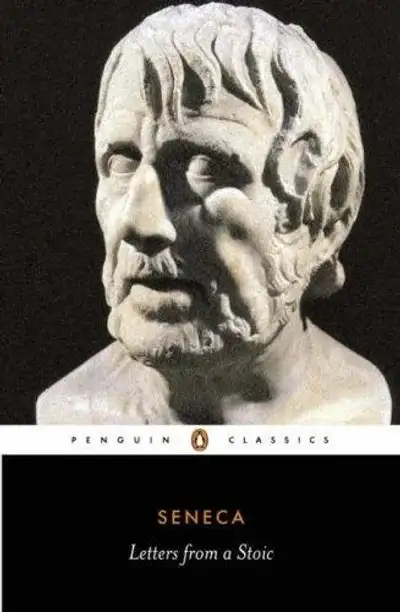
Letters from a Stoic

Meditations
Practising the Power of Now
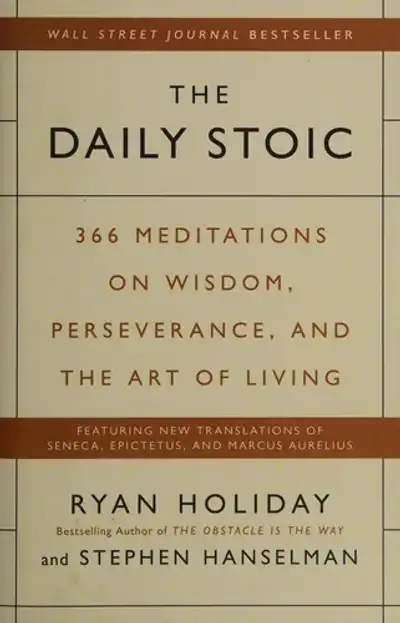
The daily stoic
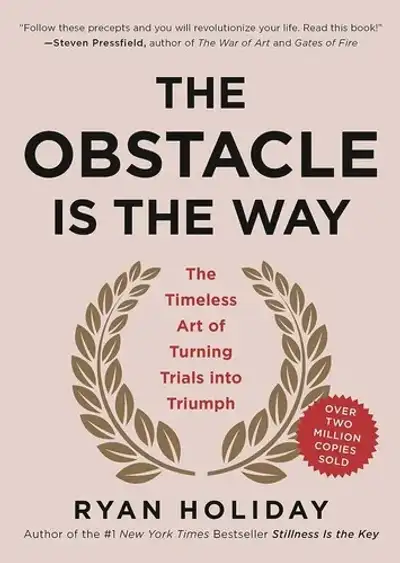
The Obstacle is the Way

The Old Man and the Sea
The Neglected Virtue
Patience is the most neglected of the virtues, and the most needed. Courage gets the medals, kindness gets the thanks, honesty gets the respect - but patience, the capacity to wait well, to endure delay without souring, to let things ripen in their own time, is the virtue that makes all the others bearable. It is also, in the modern world, the most countercultural virtue there is: we live in a civilization built on the abolition of waiting, and every technology we own is a machine for making patience unnecessary. Which is precisely why the books in this category matter: they are the record of a quality we still need and no longer practice.
We built this category for the neglected virtue - the one our culture least rewards and most needs. Patience is not passivity; it is waiting well, the active refusal to force what time must ripen, and the books gathered here make the case for it through the writers who have dramatized it best: Tolstoy, Harper Lee, Louisa May Alcott, Khaled Hosseini and Mitch Albom. This page is the index to the virtue of waiting well. It is built around the five foundational guides and the five author deep-dives into the writers who have rendered patience most powerfully in literature. It is one of the smaller categories on the site, and one of the most valuable - because patience is one of those subjects where a single well-chosen book can change how you experience time itself.
The Guide Shelf: Learning to Wait Well
The five guides form the framework of the category. Best Patience to Read is the curated starting point, ranking the essential titles and explaining why each earns its place. A Thoughtful Guide to Patience builds the deeper picture: what patience is, why it is so hard, and how it can be cultivated rather than merely admired.
Meaningful Patience for Adults takes the subject to the stage of life where it is most tested - the long waits of adult life: careers that take decades, relationships that take work, grief that takes its own time. Family-Friendly Patience gathers the clean, wholesome books that teach children the art of waiting - a lesson that, in the age of the smartphone, has never been more urgent. And Patience: Themes, Values and Reading Notes is the reader’s companion, unpacking the themes that run through the shelf.
The Author Deep-Dives: Patience Rendered in Literature
The author articles in this category are unusual, because they are built around novelists rather than self-help writers - and that is exactly right for the subject. Patience is not a technique you can extract from a manual; it is a quality you can only watch being lived. The five novelists in this category are the great portraitists of patience in the English-reading world.
Tolstoy is the epic master - War and Peace and Anna Karenina are built on the slow accumulation of ordinary time, and no writer has ever been more patient with his characters or more demanding of his readers. Harper Lee is the study in moral patience - Atticus Finch’s quiet, unshakeable refusal to hurry justice or abandon principle, rendered in a novel that took seventeen years to write and never ages. Louisa May Alcott is the portraitist of domestic patience - the small, daily endurance of family life that Little Women celebrates. Khaled Hosseini shows patience under the hardest conditions - his characters wait through war, separation and loss for the small mercies that finally come. And Mitch Albom - the master of the short, devastating book - shows patience as the shape of love: the willingness to sit with someone through the long process of their becoming.
Patience as the Shape of Love
The deepest insight of the category is that patience is not primarily a self-improvement technique but the shape of love. We are patient with the people we love - with children learning, with parents aging, with friends recovering, with partners changing. Impatience is almost always a failure of love: the demand that others move at our speed, meet our deadlines, complete their becoming on our schedule. The novels in this category make this visible in a way no manual can. Atticus Finch is patient because he loves his children and his town; the March sisters learn patience because they love each other; the characters of Hosseini endure because they love what they wait for.
This is why the category belongs in the Growth section rather than standing alone: patience is a virtue to be grown, and the growth happens in relationship. A Thoughtful Guide to Patience makes the point directly - patience is not passivity, not the absence of desire, but the active, loving choice to let things ripen. The novels in this category are the proof.
The Many Kinds of Patience
Patience is not one quality but a family of them, and the novels in this category distinguish the members. There is endurance - the patience of the long haul, of bearing what cannot be changed, which Tolstoy renders on the scale of decades and empires. There is waiting - the patience of expectation, of holding a hope that has not yet arrived, which Hosseini renders in characters who wait through war and separation for the people they love. There is forbearance - the patience of not retaliating, of absorbing provocation without answering it, which Harper Lee renders in Atticus Finch’s refusal to be provoked out of principle. And there is constancy - the patience of daily faithfulness, of showing up and staying, which Alcott renders in the domestic life of the March household.
Each kind of patience is a different muscle, and the novels exercise them differently. This is why the category is built around novelists rather than manuals: a manual can tell you that patience is a virtue; a novel can show you the difference between enduring, waiting, forbearing and remaining constant - and can let you practice recognizing them in the wild. Read the Tolstoy deep-dive and you will see patience at the scale of history; read the Alcott deep-dive and you will see it at the scale of a kitchen table. Both are patience, and both are necessary.
A Suggested Reading Path Through the Category
If you are new to the subject, begin with the framework: A Thoughtful Guide to Patience and Best Patience to Read will orient you. Then read the novelists in an order that builds: start with Alcott for patience at the domestic scale - the most accessible entry - move to Harper Lee for patience as moral principle, then Albom for patience as love. Take Hosseini when you are ready for patience under extremity, and finish with Tolstoy - the epic master - when you want to see the virtue at the scale of a life, a family and a nation.
For younger readers or family reading, Family-Friendly Patience is the curated starting point, and the reading-notes article, Patience: Themes, Values and Reading Notes, is the companion to keep open during discussion.
The Cost of Impatience
The category would be incomplete without naming what patience saves us from. Impatience has a price, and the novels in this category are full of characters paying it. It is the price of the letter sent in anger, the career abandoned in frustration, the relationship broken by the demand that the other person change faster. Impatience is the virtue’s negative image: it is the refusal to let things ripen, the insistence on having now what only time can bring. The books here show the cost with perfect clarity - and, just as clearly, show the alternative. The patient characters are not the passive ones; they are the ones who win. Atticus Finch’s patience wins the argument even when it loses the case; the March sisters’ patience builds the family that sustains them; the waiting characters of Hosseini finally hold what they waited for.
This is the deepest reason the category matters: in a civilization built on the abolition of waiting, patience has become a competitive advantage, a spiritual discipline and a form of love. The books in this category are the best available training in all three. Start with the guides for the framework; read the novelists to watch patience being lived; and keep Patience: Themes, Values and Reading Notes open for the discussion.
How to Use This Category
Start with the guides for the framework, then read the novelists to watch patience being lived: Tolstoy for the epic scale, Lee for the moral scale, Alcott for the domestic scale, Hosseini for patience under extremity, and Albom for patience as love. The Growth section, the pillar behind this category, holds the full library of personal-growth reading.
The Skill the Modern World Trains Against
The modern world is engineered against patience. Everything is designed to be faster, sooner, now - and the result is not a calmer species but a more anxious one, because the gap between what we want and when we get it has never been more visible and never been more uncomfortable. The books in this category make the opposite case: that waiting is not a failure of the system but a skill of the person, and that the people who can wait well are not passive victims of delay but active practitioners of something rare and valuable.
The literature on this shelf shows patience as what it actually is - not the absence of urgency but the management of it. The novels and memoirs gathered here are full of people waiting: waiting for a letter, for a verdict, for a child to return, for justice, for a wound to heal. What distinguishes the characters who wait well from the ones who are destroyed by waiting is not temperament but practice. They find the work that can be done while waiting. They attend to what is present instead of only what is absent. They refuse to let the delay define them. That is the skill the category is really about, and it is teachable - which is why the guides and reading lists exist alongside the stories.
What the Stories Show That the Advice Cannot
Advice about patience tends to be either trite (“good things come to those who wait”) or grim (“be patient, it will happen in its own time”). The stories on this shelf are neither. They show the interior experience of waiting - the specific texture of the long vigil, the particular ache of the deferred hope - and in doing so they give the reader something advice cannot: the sense of being understood. A reader in the middle of a long wait of their own does not need a slogan; they need company, and the books on this page are exactly that.
The read-alikes are chosen for this quality. The novels they lead you to are not about patience as a topic; they are stories in which waiting is the actual condition of the characters’ lives, and the reader lives inside that condition for a few hundred pages. The author studies show the writers who have made waiting their subject - the novelists of the long siege, the memoirists of the long recovery. Read together, they form a kind of education in the skill the category is named for: not the theory of patience, but the lived experience of it, borrowed from people who waited and survived the waiting.
Patience in the Wider Library
The patience shelf connects to the rest of the site in ways worth using. It sits beside the self-discipline-and-habits category, because patience is one of the disciplines - the ability to keep the long view when the short view is uncomfortable. It connects to the resilience category, because the patient and the resilient are often the same people, seen from different angles: resilience is what you do when the waiting becomes suffering, and patience is what you do when the suffering must be endured. And it connects to the hope category, because patience is hope with a time horizon - the conviction that the waiting will end in something, held long enough to survive the waiting itself. The links on this page map that mesh, and they are worth following: patience is not an isolated virtue but a hinge that connects several of the most important ones.
Finding Your Way In
If you are new to the subject, start with the guide and the best-books list to get your bearings. If you are in the middle of a wait - a recovery, a search, a long road - go straight to the read-alikes and let the stories keep you company. If you want to understand the tradition, follow the author studies. The family-friendly shelf brings the theme to children, who need the skill of waiting more than anyone and are given it least. The meaningful shelf for adults goes deepest, because adult waiting is heavier - the long illness, the long estrangement, the long labor - and the books honor its weight. The themes-and-reading-notes article turns the whole shelf into material for reflection, which is what patience ultimately is: the practice of reflecting instead of reacting, long enough for the waiting to do its work.
Reading the Shelf as a Small Act of Defiance
Reading the patience shelf is a small act of defiance against the spirit of the age, and the books know it. Everything around us is optimized for the short term - the feed, the news cycle, the quarterly report - and the result is a culture that has lost the skill of the long view. The novels and guides on this page are a correction: they slow the reader down by the simple means of asking them to live inside someone else’s wait for a few hundred pages. That is why the category matters beyond its subject. It is not only teaching the skill of patience; it is practicing it, on every page, and inviting the reader to practice along.
Where This Category Lives
The Growth section is the pillar behind this category - every article gathered here lives in it, and it holds the full library of the site’s writing on personal growth and the virtues. Browse the section here. From there the same themes continue into the other sections - patience under ordeal in Stories, patience in relationship in Relationships, patience as craft in Guides - and the category pages of the site gather those shelves by subject.
Read the Book That Slows the World
Patience is the virtue the modern reader is least equipped to practice - and the books on this page are the prescription: the novels and guides that reward the slow reading, that ask you to stay with them, that repay the waiting. They are not slow books; they are books that teach you the value of the pace.
So take the slower road this week. The guide will frame the practice; the shelf will hand you the book that demands it. Read it without rushing, without skimming, without checking the page count - and notice what the waiting gives back.
The book will still be there tomorrow. The question is whether you will be.