World Literature Books: Voices From Everywhere
World literature books - the great novels beyond the English shelf, the guides that open them, and the writers who speak for their nations.
10 items in this category
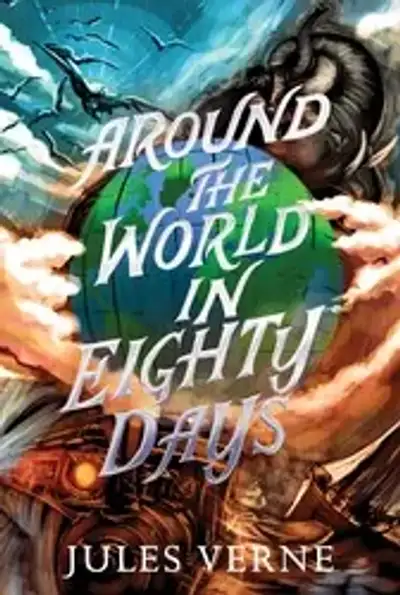
Around the World in Eighty Days
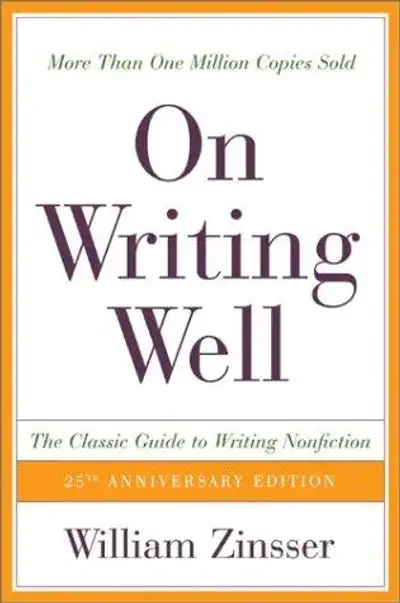
On Writing Well
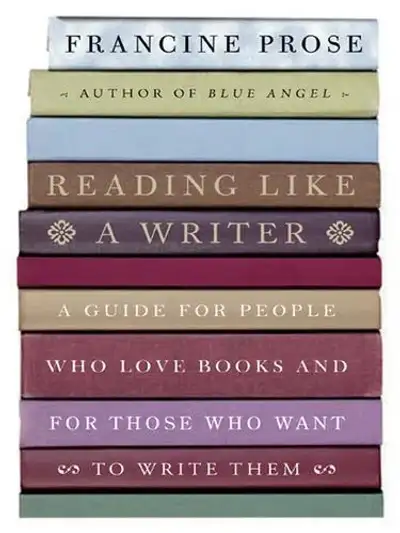
Reading Like a Writer
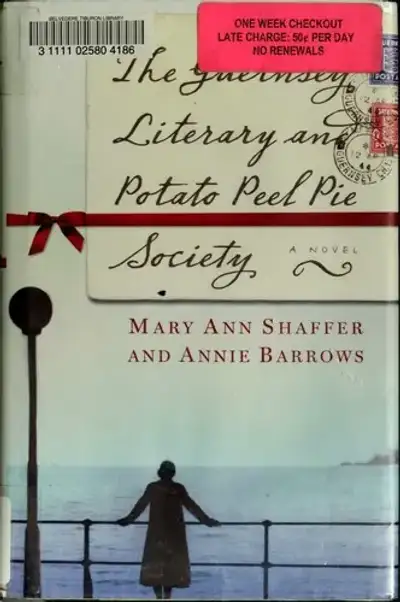
The Guernsey Literary and Potato Peel Pie Society
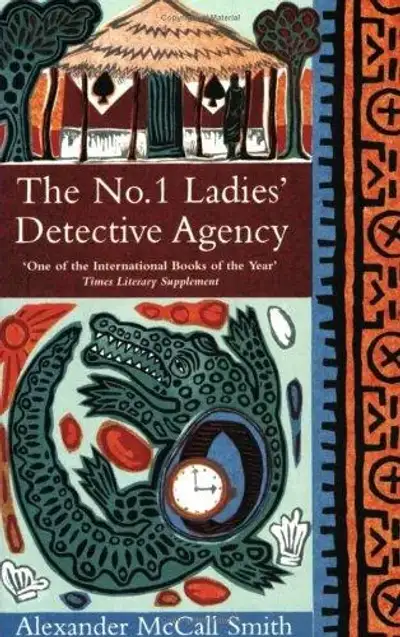
The No. 1 Ladies' Detective Agency
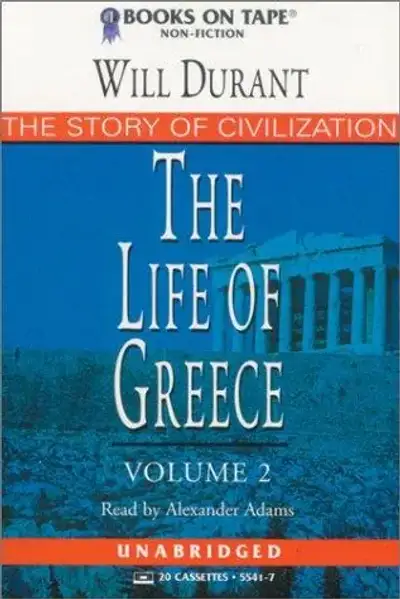
The Story of Civilization II
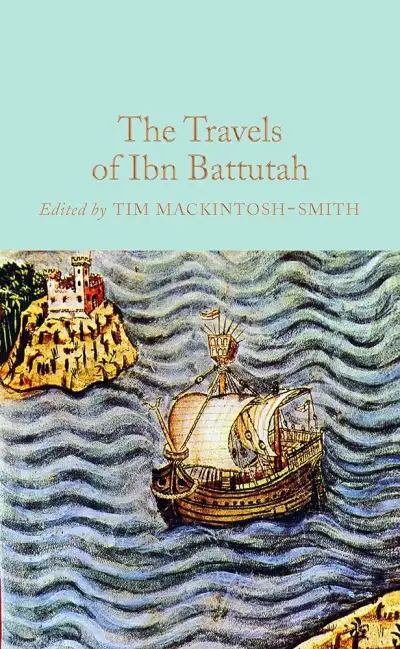
The Travels of Ibn Battuta
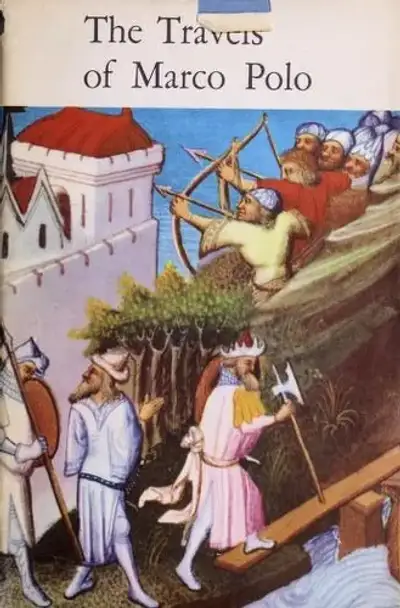
The Travels of Marco Polo
The well-educated mind
The Written World
Why We Built This Shelf
Every reader eventually hits the wall of the home shelf - the feeling that the same names, the same countries, the same ways of telling a story are circling back around. This category is the door through that wall. World literature is the literature of everywhere else: the great novels written in Russian, French, Turkish, Arabic, Spanish, the books that were the center of a whole culture long before they reached an English reader. We built this category for the readers who want those books, and for the readers who have been intimidated by them - who suspect that the great novel of another country is harder, more foreign, less theirs. The suspicion is wrong, and the shelf exists to prove it.
The articles come from the Worlds section, and they form a complete shelf on the theme. There are the starting points that define what world literature is and how to enter a tradition that is not your own. There are the deeper shelves for adult readers who want the full range, and the family-friendly shelves for younger readers meeting other cultures through their stories. And there are five author studies, following the theme through the writers who speak for their nations - the masters whose names travel across every border. Together they cover the theme from definition to masterpiece.
Starting With the Essentials
The natural entry point is A Thoughtful Guide to World Literature, the article that does the definitional work: what world literature is, why the great novels of other countries matter, and how to choose among traditions you did not grow up in. It is the guide we point every new reader toward, because the biggest barrier to world literature is not difficulty but orientation - and the guide supplies the map. If you want the fastest route into the shelf, Best World Literature Books to Read is the curated starting point - the handful of books that prove the point most completely, ranked and explained so you can begin tonight.
From there the theme opens into two reading depths. Meaningful World Literature Books for Adults is the shelf for the reader who wants the theme at full strength - the long novels and the deep traditions, the books that take a whole culture as their subject. Family-Friendly World Literature Books is its quieter sibling, built for younger readers: the stories from other countries that show a child that the world is larger and more interesting than the home shelf. And World Literature: Themes, Values and Reading Notes ties the shelf together - the themes that recur across the traditions, the values they share, and the reading notes that prepare you for the discussion.
The Five Writers Who Speak for Their Nations
The author studies are the heart of the category, because each one follows the theme through a writer whose name travels across every border.
Best Books About World Literature by Leo Tolstoy is where most readers should start. Tolstoy is the mountain of the form - the novelist who made Russia’s story the world’s story, whose books are long enough to live in and deep enough to deserve it. His study is the most complete single portrait of what world literature can do: the local made universal, the family drama that contains a nation.
Best Books About World Literature by Victor Hugo brings the French tradition - the epic of the people, the novel as cathedral, the story that is also an argument about justice. Best Books About World Literature by Gabriel García Márquez opens the door to Latin America and to magical realism - the style that proved a whole continent could be told in a new way, and that the new way could conquer the world. Best Books About World Literature by Naguib Mahfouz brings the Arab tradition - the Nobel laureate who wrote the story of Cairo the way Balzac wrote Paris, one family and one street at a time. And Best Books About World Literature by Orhan Pamuk closes the shelf with the Turkish master - the novelist of the bridge between East and West, whose books are about what it means to live between worlds. Five writers, five nations, one shared claim: the great story is always local and always universal at once.
What the Traditions Share
Read across the shelf and the pattern emerges that the individual studies cannot show alone. The first thing the traditions share is the family - the world’s great novels are, to an extraordinary degree, family novels, because the family is the unit where culture is actually lived. The second is the city: from Moscow to Paris to Cairo to Istanbul, the great national novels are city novels, and the city is always a character with its own weather and its own history. And the third is the most surprising: the themes are the same ones the reader already knows. Justice, love, inheritance, memory, the collision of generations - the novels of other countries are not alien; they are the familiar questions wearing unfamiliar clothes. That is the liberating discovery the category is built to deliver: the distance is in the details, not in the heart, and the reader who crosses the distance once will want to cross it again.
That is also what makes the family shelf possible. The stories of other cultures can be told to a child - indeed, they should be, because the child who meets other worlds early never quite believes the world is small. The guides make sure the meeting happens at the right height.
How to Read This Shelf
Every reader arrives at world literature from a different country - their own - and the category is built to honor that. If you are new to the theme, the shortest path is the two-step entry: read A Thoughtful Guide to World Literature to settle the terms, then Best World Literature Books to Read for a ranked starting shelf you can begin tonight. Those two articles give you the orientation and the books; everything after that is depth.
If you are a reader who wants to enter a particular tradition, the author studies are where the shelf becomes targeted. Want the mountain? Tolstoy. Want the epic of the people? Hugo. Want the continent told in a new way? Márquez. Want the city and the street? Mahfouz. Want the bridge between worlds? Pamuk. Each study works alone, and each tells you which of the writer’s books to begin with - which matters more for world literature than for any other theme, because the entry point decides whether the reader stays.
If you are choosing for a younger reader, the category is built for you too. Family-Friendly World Literature Books gathers the stories from other cultures told at a child’s height - the books that prove to a young reader that the world is larger than the home shelf - and the discussion prompts in World Literature: Themes, Values and Reading Notes work at the dinner table as well as in a classroom. The family shelf is not a watered-down version of the adult shelf; it is a different instrument for a different job.
And if you are a book club, the final article is your preparation kit. World Literature: Themes, Values and Reading Notes turns the shelf into discussion material - the themes the traditions share, the values they defend, the questions that will still be live when the evening ends. A translated novel is the ideal club pick because every member arrives as a foreigner, and the discussion starts from that common ground.
The one rule that applies to every reader is this: do not read the category linearly. It is a map, not a course. Enter through whichever door matches your current question - the terms, the starting shelf, the adult depth, the family shelf, the discussion notes, or one of the five writers - and let the links carry you from there.
Why Every Article Matters
It would be easy to treat world literature as a respectable ambition and never begin it. The articles in this category exist to make beginning possible. Each one was written because a reader, somewhere, was about to miss something: the reader who had concluded that translated books were not for them, the reader who wanted to understand a country and did not know its novelists were the fastest way, the parent who wanted a child to meet the wider world and had no idea where to start. The category catches those readers. It defines the terms before the shelves open, it ranks the books so you can start somewhere and end somewhere, and it separates the adult shelves from the family shelves so every reader finds the depth they are ready for.
That is also why the links matter as much as the prose. Every article points onward - to Cultural Heritage, where the traditions behind the novels come into view, to Civilizations and Culture, which shows the societies that produced them, and to Historical Fiction and War and Peace, where the national stories turn historical. The format categories carry the same books further: Books Like for the read-alike shelves and Best Books About for the curated starting points.
The Books That Belong to Everyone
The world-literature category holds the books that belong to the whole world - the novels and epics that have traveled past their borders and become the common property of readers everywhere. The books on this page are the evidence for a claim the category is built on: that the deepest stories are not national but human, and that a reader in one country can be moved by a novel written in another as directly as by one written at home. The great conversation of literature crosses every border, and these shelves are where the conversation is joined.
The read-alikes are the heart of the category. The books they lead you to are the masterpieces of the world tradition - the Russian epics, the French novels of justice and mercy, the Latin American magic, the African and Middle Eastern sagas that have carried their cultures into the world’s reading rooms. The author studies show the writers who built the tradition: Tolstoy and Hugo, whose books belong to everyone; Marquez and Mahfouz and Pamuk, who wrote their cultures into the world’s literature. Read the studies and the pattern emerges: the great writers are the ones who wrote their particular world so truly that it became everyone’s.
Why the World Tradition Matters
The world-literature shelf matters for reasons that go beyond the pleasure of a great book, and it is worth naming them. The first is the reason of the mirror: a reader who meets a character in another culture often recognizes themselves more clearly than in a novel from home, because the strangeness removes the defenses - you cannot say “that is not my world” when the book is obviously about another one, and so the recognition arrives unguarded. The second is the reason of the map: the world tradition is how a reader learns the shape of the human story - the same longings, the same failures, the same refusals to give up - across every continent. The third is the reason of the conversation: the great books talk to each other across the centuries, and the reader who follows the conversation is reading the way the writers did.
The category is also a correction to a common mistake. World literature is often imagined as a single thing - the exotic shelf, the foreign books - when it is in fact the opposite: the world tradition is the mainstream of the human story, and the national literatures are its tributaries. The books on this page are not a side shelf; they are the center of the library, and the category is built to make that visible.
The Whole Library Seen From the Widest Angle
World literature connects to the whole site. It lives in the worlds section, and it connects to cultural-heritage, because the great novels carry the heritage of their cultures. It connects to travel-and-discovery, because reading a world novel is a journey of the same kind. It connects to war-and-peace and historical-fiction, because the world tradition is full of the wars and the histories. And it connects to literary-fiction, because the masterpieces of the world tradition are the literary fiction of their places. Read the shelves together and the full picture emerges: world literature is not a category among categories, it is the whole library seen from the widest angle.
Starting With a Writer or a Book
Start with the study of a writer you have always meant to read - or the read-alike that leads to the book itself. Read it slowly, the way the tradition rewards. When you finish, notice what happened: the strangeness that dissolved, the recognition that arrived. That is the experience the category exists to provide, and it is available every time you open one of these books: the world is larger than your borders, and the great books are the proof.
Where This Category Lives
The Worlds section is the pillar behind this category - the site’s home for the books that take you somewhere else. Browse the full section here. The theme continues across the site: Cultural Heritage follows what the traditions pass down, Civilizations and Culture shows the societies behind the novels, and Travel and Discovery follows the readers who went to see them. Wherever you land, the question is the one the world’s great novels keep answering: what does it mean to be human, in this place, in this language, at this moment?
The category ends where the world’s great novels end: with the reader’s sense of the world permanently widened. That is the form’s quiet promise - that a novel written in another language, in another century, about another people, can still reach across everything and find the reader at home. The books on this shelf are the proof that the distance is in the details, not in the heart: the family dramas of Moscow and Cairo and Istanbul are the reader’s own family dramas in unfamiliar clothes, and the recognition is the deepest pleasure the form offers. They leave the reader with world literature’s central lesson - the local is universal, and the universal is always told in a particular voice. The guides here are the equipment of the crossing: the terms that orient you, the rankings that find you the right entry point, the notes that prepare the discussion. Start with the writer who matches your curiosity, follow the links, and the theme stops being a category and starts being a passport: the passport that lets you enter any tradition, in any language, and find yourself at home.
Read the Book That Speaks Another Language
The world’s great novels are the proof that the distance is in the details, not in the heart - the family dramas of Moscow and Cairo and Istanbul are your own dramas in unfamiliar clothes, and the recognition is the deepest pleasure the form offers. The books on this page are the doors into that recognition.
So cross the border this week. Tolstoy for the mountain, Márquez for the magic, Mahfouz for the street - one book, one country, one evening at a time. The first fifty pages are the hardest; after that, the book takes over.
The world is larger than the home shelf. The proof is one novel away, and the novel is one click away.