Purpose and Meaning Books: The Question That Will Not Go Away
Why we built the Purpose and Meaning category: the guides, read-alikes and author deep-dives about finding purpose and living a meaningful life.
2 items in this category
The Question That Refuses to Be Dodged
Every human life eventually arrives at the same question, though it arrives at different times and in different costumes. For some it comes at twenty, in the middle of a career that suddenly feels hollow. For others it comes at fifty, after the children leave and the house gets quiet. For Viktor Frankl it came in a Nazi concentration camp, where he watched the prisoners who had a reason to live survive and the ones who had lost one die. The question is simple and devastating: what is this for?
This category gathers everything RainingBook has published in pursuit of an answer. The articles here are not quick fixes - there is no ten-step program that will hand you a purpose, and any book that promises one is probably lying. What they offer instead is something more durable: a map of how other people have asked the question, what they found, and how you can ask it more honestly yourself. Purpose, it turns out, is not a destination you discover but a relationship you build - with your work, your people, your beliefs and your own best self.
The Guide Shelf: Building a Life with Direction
The five guide articles in this category form a complete course in the subject. Best Purpose to Read is the starting point, a curated shelf of the essential titles ranked by how well they actually help. A Thoughtful Guide to Purpose then supplies the framework: what purpose is, why humans seem to need it, and how the great books have understood the search.
Two of the guides approach purpose from specific angles. Meaningful Purpose for Adults takes the question seriously at the stage of life when it is usually asked - when the scaffolding of school and early career falls away and we have to decide, for the first time, what we actually want. Family-Friendly Purpose brings the conversation down to the kitchen table, gathering clean, wholesome books that help children and families talk about what matters. And Purpose: Themes, Values and Reading Notes is the reader’s companion, unpacking the themes and values that recur across the shelf.
The Ideas section asks the same question in its own voice, and its five guides join the shelf here, doubling the ways into the subject. A Thoughtful Guide to Purpose and Meaning supplies the framework in the language of ideas rather than self-help, Best Purpose and Meaning to Read is the Ideas shelf’s own curated starting point, Meaningful Purpose and Meaning for Adults takes the question at full depth, Family-Friendly Purpose and Meaning brings it to the kitchen table, and Purpose and Meaning: Themes, Values and Reading Notes is that shelf’s companion, unpacking the themes and values the ideas tradition returns to. The two sets of guides say the same things in different registers - the Growth shelf in the language of personal development, the Ideas shelf in the language of thought - and together they make the category twice as easy to enter, whichever register speaks to you.
The Read-Alike Shelves: Six Doors into the Question
Purpose is one of those subjects where a single book can change a life, and the read-alike articles in this category are built around the books that have most often done it.
The anchor is Man’s Search for Meaning, Frankl’s account of surviving Auschwitz by finding meaning in suffering - arguably the most influential book about purpose ever written, and the read-alikes around it all share its central claim: that meaning can be found even in the worst circumstances, and that finding it is the difference between surviving and merely enduring. The Alchemist is the other great modern door - Coelho’s fable about following your Personal Legend, dismissed by critics and beloved by millions, with read-alikes that share its sense of life as a journey with a destination.
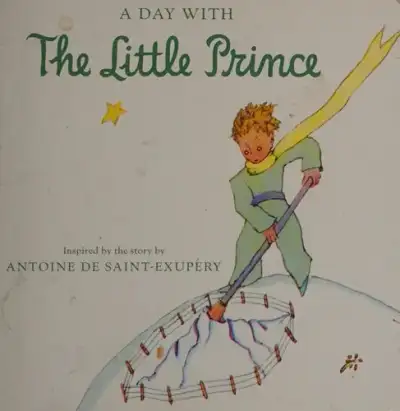
The remaining four shelves each open the question from a different side. The Midnight Library asks it through regret - what would your life be worth if you could try all the others? The Little Prince asks it through wonder, in the most beloved children’s book ever written. The Namesake asks it through identity - what it means to inherit a name, a culture and a story not of your making. And The Forty Rules of Love and The Prophet ask it through the sacred, in the Sufi tradition and in Gibran’s timeless prose poetry.
The Author Deep-Dives: Five Minds on Purpose
The author articles let you sit with the thinkers who have shaped how we talk about purpose. Viktor E. Frankl is the foundational voice - logotherapy, the will to meaning, and the insistence that meaning is the primary human drive. Mitch Albom brings the question down to one classroom and one dying professor, and has built a career on the idea that purpose is discovered in relationship. Paulo Coelho is the storyteller of the search, Rick Warren the pastor who sold forty million copies arguing that purpose begins with the Creator, and Simon Sinek the strategist who reframed the question for the workplace: start with why.
Five authors, five languages - but one shared claim, which is that the question of purpose is not a luxury. It is the load-bearing question of a human life, and the people who answer it, even partially, live differently.
The Ideas section adds its own deep-dives on the same five minds, and the pairs are worth reading against each other - the same thinker, approached from the Growth side and the Ideas side, yields different angles on the same question. Viktor E. Frankl and Mitch Albom anchor the Ideas shelf as they do the Growth one - the will to meaning and the classroom where purpose is discovered in relationship. Paulo Coelho is the storyteller of the search in both registers, Simon Sinek the strategist who starts with why, and Rick Warren the pastor whose answer begins with the Creator. Read the ten studies together - five from each section - and the shared claim becomes a chorus: the question of purpose is the load-bearing question of a human life, and it is answered in practice, not in theory.
The Ways Meaning Is Found
The search for meaning is one of the oldest subjects in human culture, and the books in this category represent the four great paths that have been discovered. The first is meaning through work: the sense that what you do matters, that your labor contributes to something larger than yourself. This is the path Simon Sinek describes in his deep-dive, reframed for the modern workplace as the difference between a job, a career and a calling - and it is why The Alchemist resonates so powerfully with readers who feel stuck in work that means nothing to them.
The second path is meaning through love: the discovery that relationship is the most reliable source of purpose a human being ever finds. Mitch Albom has built an entire career on this path - Tuesdays with Morrie is the essential statement of it - and it runs through nearly every read-alike shelf in the category. The third path is meaning through suffering: the hard-won discovery, most powerfully articulated by Viktor Frankl, that even the worst circumstances can be transformed into meaning if we choose how to bear them. And the fourth path is meaning through belief: the religious answer, represented by Rick Warren’s The Purpose Driven Life and, in a different register, by Kahlil Gibran’s The Prophet, which treats meaning as something received rather than constructed.
None of these paths is exclusive. Most people who report a strong sense of purpose draw on several at once - a meaningful job that serves people they love, sustained by beliefs that give it context. The value of seeing the four paths laid out is that it helps you notice which ones are missing from your own life. If work feels hollow, the work path is underfed. If relationships feel thin, the love path is underfed. The books in this category are, in effect, a diagnostic kit for the question of meaning.
The Question of Regret: The Midnight Library
The most striking modern treatment of purpose comes from a novel that asks the question backwards. The Midnight Library imagines a library between life and death, where every book is a different life you could have lived if you had made one different choice. Nora Seed, the protagonist, is allowed to try them - the life where she stayed with the band, the life where she became an Olympic swimmer, the life where she married the man she left behind - and the novel’s quiet revolution is the discovery that she keeps returning to her own life, the one she thought she wanted to escape.
The insight at the heart of the book is one the whole category shares: regret is not a reliable guide to purpose. The lives we imagine we should have lived are fantasies; the life we actually have is the only one with real texture, real people and real possibilities. This is why the read-alike shelves in this category - Man’s Search for Meaning, The Alchemist, The Midnight Library itself - all converge on the same counsel: stop envying the road not taken and start walking the road you are on.
Meaning as a Practice, Not a Discovery
There is a persistent myth that purpose is something you find, like a lost object, and that once found it stays found. The books in this category mostly disagree. Purpose, they suggest, is less like an object than like a relationship - it requires maintenance, renegotiation and periodic rediscovery. Viktor Frankl called this the “will to meaning,” and insisted that it was not a destination but an ongoing orientation: meaning is found in the moment-to-moment response to what life asks of you. A purpose that is never re-examined becomes a habit; a meaning that is never renewed becomes a slogan.
This is why the category includes both the foundational texts and the modern restatements. The Forty Rules of Love retells the story of Rumi and Shams in a way that makes spiritual purpose feel alive rather than antique; The Little Prince reminds us that meaning is often found by looking with the heart rather than the eyes; and The Namesake shows a life being renegotiated across generations, as meaning is inherited, rejected and finally reclaimed. Read together, they make the case that the search for purpose is not a problem to be solved once but a practice to be maintained for a lifetime.
The same practice shows up across the whole site, which is why this category links outward as much as inward. Purpose in relationship is the territory of the Relationships section; purpose under ordeal belongs to Stories; purpose as craft - the question of how a life is built - is the Guides section’s native ground. The Growth section holds the rest of the personal-development library, and the category pages gather those shelves by subject, so a reader who arrives with the meaning question can follow it anywhere it leads. That is the point of a category page: not to close the question but to open the whole library onto it.
How to Use This Category
The guides build the framework; the read-alikes are the doors into the question, each keyed to a different way of asking it; the authors take you deep with the minds who shaped the conversation. And when you are ready to widen the lens, the Growth section - the pillar behind this category - holds every article on personal development the site has published.
A Suggested Reading Path
Purpose is a subject where the right first book can change everything, so here is a suggested path. Begin with the source: Man’s Search for Meaning is short, profound and the most influential book about meaning ever written - read it first, and read it slowly. Then take the framework with A Thoughtful Guide to Purpose and the curated shortlist in Best Purpose to Read. From there, follow the thread that speaks most directly to you: if the question is vocational, go to the Simon Sinek deep-dive; if it is spiritual, Rick Warren or The Forty Rules of Love; if it is existential, The Alchemist or The Midnight Library.
For a second pass through the category, read the authors against one another - Frankl against Coelho, Albom against Warren - and notice how each one locates meaning in a different place: in suffering, in journey, in relationship, in God. Then step back and ask yourself which location rings true for you. That is the whole project of the category, and the books are the instruments. If you are reading with children, Family-Friendly Purpose and The Little Prince are the gentlest doors; if you are preparing for a discussion, Purpose: Themes, Values and Reading Notes will arm you for it.
The Question That Will Not Go Away
The purpose shelf exists because there is a question that will not go away, no matter how successfully it is dodged: what is this all for? The books on this page are the collected attempts of serious people to answer it - not with slogans but with lived answers, tested against actual lives. The read-alikes lead you to the accounts of people who found their answer and the accounts of people still searching, and the category is careful to value both. The author studies show the writers - Frankl, Coelho, Sinek, Albom - who made the question their life’s work. The family-friendly shelf brings the question to young readers in its earliest form: what matters, and why. And the meaningful shelf for adults goes deepest, because the question sharpens with age and refuses to be deferred forever.
The category’s deepest lesson is that the answer is not found once and kept; it is found, lost, and found again, across a lifetime. The books are the company for that search, and the search is the point.
Where This Category Lives
The Growth section is the pillar behind this category - every article gathered here lives in it, and it holds the full library of the site’s writing on personal growth, virtue and meaning. Browse the section here. From there the same themes continue into the other sections - meaning in relationship in Relationships, meaning under ordeal in Stories, meaning as craft in Guides - and the category pages of the site gather those shelves by subject.
Read the Book That Answers the Question You Are Avoiding
Every reader who lands on this page already knows the question: what is this for? The books gathered here are the ones that have helped more people answer it than any others - Frankl’s will to meaning, Coelho’s journey, the guides that turn the question from a weight into a direction.
So stop circling it. Start with the guide, take the ranked shelf, and read the first book this week - not to finish it, but to let it work. Purpose is not found in the abstract; it is found in the company of the people who have asked the question before you and come back with answers you can use.
The question will not go away. The books will not either. The only variable is you.