Family Books: The Novels of Blood and Bond
Read-alikes for the great family novels - from Little Women to The Penderwicks.
9 items in this category
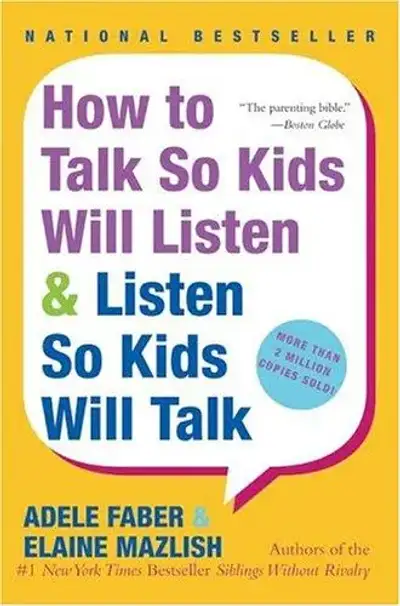
How to talk so kids will listen & listen so kids will talk
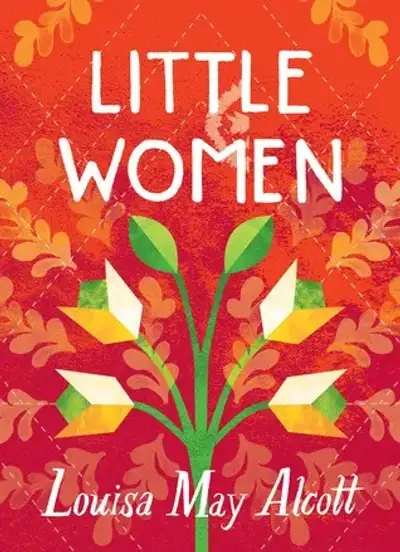
Little Women
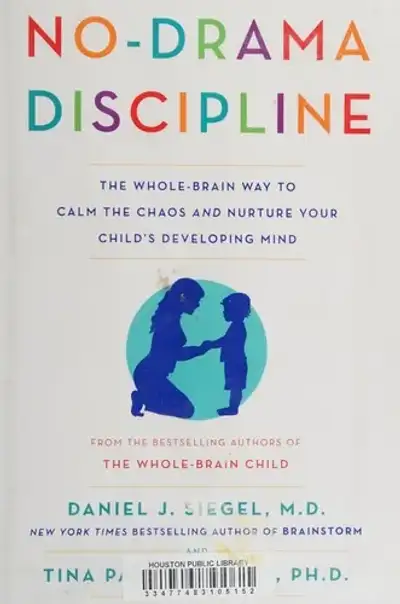
No-drama discipline

The 5 Love Languages Singles Edition
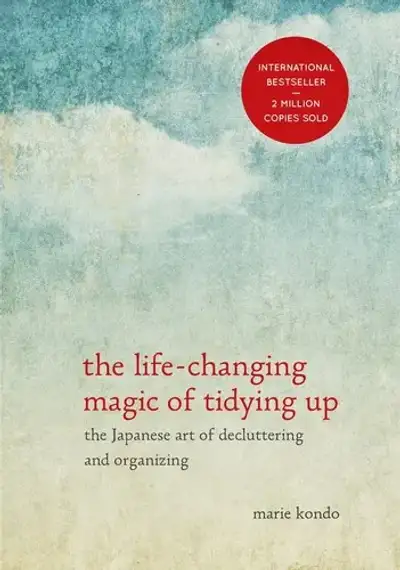
The Life-Changing Magic of Tidying Up
The Nightingale
The Railway Children
The seven principles for making marriage work
The Swiss Family Robinson
The First School of the Heart
The family is the first school of the heart - the place where we learn love, loyalty, rivalry, forgiveness and the thousand small negotiations of daily life, long before we have words for any of them. It is also the most universal subject in fiction: every reader has a family, or the memory of one, and the great family novels work on every reader, in every culture, because they are about the one institution everyone has experienced from the inside. This is why the family novel is the most durable genre there is: Little Women still sells, a century and a half after publication, because the March sisters are still recognizable in every family that has ever had more than one child.
This category gathers the RainingBook read-alike shelves built around the great family novels. It is one of the site’s smaller categories, but it sits close to the center of the Relationships section, because the family is where every other relationship - friendship, romance, community - is first rehearsed. The shelves gathered here - built around Little Women, Anne of Green Gables, The Secret Garden, A Little Princess and The Penderwicks - are the great portraits of family in the children’s and family-literature tradition.
The Great Family Novels
Little Women is the foundational text - the March sisters growing up in Civil War-era New England, poor, close and full of character, under the gentle guidance of their mother. The read-alikes around it share its warmth and its faith in family as the forge of identity: the discovery that the people you grow up with are the people you become, and the love that survives ambition, rivalry and loss. Anne of Green Gables is the other great portrait - the orphan who transforms the Cuthberts into a family, and the family that transforms her. The read-alikes around it, including the Anne of Green Gables collection, share its theme: family is not only the one you are born into but the one you build.
The Secret Garden and A Little Princess are Burnett’s two masterpieces of the family of circumstance - the children who lose their families and find, in gardens and garrets and friendships, the belonging that blood did not provide. And The Penderwicks is the modern inheritor of the tradition - Jeanne Birdsall’s series about four sisters and their widowed father, which readers consistently describe as the closest thing to Little Women written in our time.
Why the Family Novel Endures
The family novel endures because it is the genre of moral education without moralizing. The family is the setting where character is actually formed, and the great family novels show the formation happening - the jealousy that must be mastered, the selfishness that must be outgrown, the loyalty that must be chosen. Little Women is the clearest case: Jo’s anger, Amy’s vanity, Beth’s sweetness and Meg’s ambition are not preached about; they are shown colliding in the small events of daily life, and the reader watches character being built the way it is actually built - slowly, painfully, in the company of the people who know you best.
This is why the category belongs in the Relationships section rather than in the children’s section: the family novels are not only for children. They are, in the deepest sense, books for parents - the record of what the family is for, what it costs and what it builds. The read-alike shelves gather them so that families can find each other across the decades: the modern family that reads The Penderwicks is entering the same room as the family that read Little Women in 1868.
A Suggested Reading Path Through the Category
If you are new to the family novel, a good path runs from the familiar to the modern. Begin with Little Women - the foundational text, and the one every other shelf in the category assumes. Then Anne of Green Gables for the family built rather than inherited, and The Secret Garden and A Little Princess for the family of circumstance. Finish with The Penderwicks - the modern inheritor of the whole tradition. Read in this order, the category tells one continuous story: what family has been, what it is, and what it can still be.
The Family as the Forge of Character
The family novels in this category are not only portraits of family life; they are studies in the formation of character, and this is why they connect so naturally to the Growth section. The family is where character is actually forged - not in the abstract exercises of moral philosophy but in the daily collisions of people who love each other and must nevertheless share a bathroom, a budget and a life. Little Women is the clearest demonstration: every virtue the Growth section teaches appears in the March household, being practiced or failed - Jo’s patience (or lack of it), Amy’s honesty, Meg’s contentment, Beth’s quiet courage. The reader watches character being built the way it is actually built: in the company of the people who know you best.
This is also why the family novels endure across generations. The circumstances change - the Civil War becomes the Depression, the farm becomes the suburb - but the formation does not: the jealousy that must be mastered, the loyalty that must be chosen, the forgiveness that must be practiced. A child reading The Penderwicks today is learning the same lessons Jo March learned in 1868, and a parent reading either is watching the same process. The family novel is the genre of moral education without moralizing, and the shelves in this category are its curriculum.
Reading the Family Novels Together
The family novels are the natural center of family reading, and the category is designed to support it. The books are clean, wholesome and suitable for reading aloud; the chapters are the right length for an evening; and the themes are the right ones for discussion. The recommendation is simple: choose a shelf, read the anchor book together - aloud, in turns, or in parallel - and then read the read-alikes to keep the conversation going. Little Women leads to The Penderwicks; Anne of Green Gables leads to its own collection and beyond; The Secret Garden and A Little Princess lead to each other.
The deeper gift of reading them together is that the family novel models the family to itself. The March sisters fight and reconcile; the Cuthberts learn to say what they feel; the Penderwick sisters look out for one another. These are not lessons preached but patterns shown, and families that read them together absorb the patterns the way families absorb everything: by repetition, by affection, by the shared world of the story. The category’s shelves are the map of that shared world.
How to Use This Category
Each shelf is a door into the family novel; find the one that matches your family, and let it lead you to the others. The Relationships section, the pillar behind this category, holds the full library of the site’s relationship reading, and from there the same themes continue into Growth, Stories, Guides, Ideas and Worlds.
The Family Novel as Gift
The family novel is, finally, a gift - the literary form that lets a family see itself, and that can be given from one generation to the next. The shelves in this category are built for the giving: Little Women handed from mother to daughter, Anne of Green Gables passed to a child who needs her spirit, The Secret Garden given to a reader who needs healing, The Penderwicks pressed into the hands of a family that needs joy. The books endure because they are always being given, and they are always being given because they endure - the two facts feed each other, and have for a century and a half.
The gift works because the family novel is the genre of recognition: the reader sees their own family in the March sisters, their own longing in Anne, their own grief and recovery in Mary Lennox. And recognition is the beginning of understanding, which is the beginning of love - the family’s own love, deepened by seeing itself rendered with honesty and affection. This is what the category offers: not instructions for the family, but mirrors for the family, held up by the best writers in the tradition. Read them, give them, and read them again - the mirrors do not wear out.
The category also works as a map of the family’s place on the site. The same novels appear under Character and Literary Fiction in Growth, under Resilience in Stories, under the classics in Worlds - and each appearance is the same family seen from a different window. Follow the links and you will find the family novel everywhere the site takes seriously the question of who we become in the company of the people who raised us - which is to say, everywhere worth reading.
What a Novel Knows That an Advice Column Does Not
Families are the subject of more advice than any other institution, and most of it is useless because it assumes families are a problem to be solved. The novels on this shelf assume something truer: that a family is a story, and that you can only understand a story by living inside it for a while. That is what reading does better than advice. Little Women is not a guide to raising daughters; it is an invitation to spend a winter with the Marches and watch four very different girls become adults under one roof. Anne of Green Gables is not a manual on adoption; it is the experience of watching a lonely old man and an impossible child slowly become a family. The Secret Garden is not a parenting book; it is the story of two neglected children healing each other because no adult was going to do it for them.
The category collects these stories because they work on the reader the way family actually works: not by argument but by accumulation. You do not finish Little Women having learned a lesson; you finish it having lived with a family long enough to feel like a cousin. That is a different kind of knowledge from advice, and it is the kind this shelf specializes in.
The Family as a System
One thing these novels do especially well is show the family as a system rather than a collection of individuals. When one member changes, everyone shifts to compensate. When a secret is kept, the whole house breathes differently. The read-alikes in this category are full of that systemic intelligence - the way a mother’s worry becomes a daughter’s rebellion, the way an absent father leaves a shape in the air that the children grow into. Readers who have lived inside a family recognize the mechanics instantly, and the recognition is part of the comfort: someone finally wrote down how it actually works.
The category also honors the mundane. The most important scenes in family fiction are rarely the dramatic ones; they are the dinners, the chores, the car rides, the arguments about nothing that are really arguments about everything. These books insist that the ordinary is where family life is actually made or unmade, and that is a deeply reassuring claim for readers who suspect their own family life is too ordinary to matter.
Starting With the Novels You Already Love
If you are new to the category, start with the read-alikes for the books you already love - if Little Women was your childhood, follow its shelf; if you grew up on Anne, follow hers. The guides and reading lists will orient you, and the family-friendly and meaningful shelves adapt the same material for a younger reader or a deeper conversation. If you are reading to understand your own family, read slowly and pay attention to which scenes land; the ones that sting are the ones doing the work. If you are reading with children, the family-friendly shelf is built for that, and the questions in the reading-notes article will turn the book into a conversation worth having.
The Claim the Category Makes
Every family is a story being written in real time, and the characters are people who did not get to choose their roles. The novels gathered here are useful precisely because they are not about what families should be. They are about what families are: loud and quiet, broken and repaired, ordinary and miraculous, all at once. Read them to feel less alone in yours.
The Recognition That Makes the Book Work
One of the quiet powers of family fiction is how directly it functions as a mirror. Readers do not usually finish a family novel and think “I have learned something about families.” They think “that is exactly how my grandmother talks” or “that is what it felt like at our table.” The recognition is the point. These books are valuable not because they are exotic but because they are ordinary in the right way - they get the texture of family life so right that readers feel seen, and feeling seen is the first step toward understanding anything about the institution you grew up in.
The category’s read-alikes are especially good at this. Each one starts from a beloved family novel and fans out to the books that share its spirit, which means the shelf is organized by emotional kinship rather than by genre or period. A reader who loved Little Women is not told “here is more nineteenth-century fiction”; they are told “here are the books that feel like the Marches - warm, crowded, morally serious, full of people who fight and forgive.” That is how the shelf becomes useful: it matches by essence, and the essence of family fiction is the feeling of being inside a household.
What the Shelf Does Not Do
It is also worth saying what these books will not do for you, because the category is honest about its limits. No novel can tell you how to fix your own family, and the books here do not pretend otherwise. What they can do is more valuable: they can show you that the problems you thought were uniquely yours are the common material of human life, that other households have had the same fights and the same silences, and that there is a long tradition of people trying to write the truth about family without flinching. That company - the knowledge that the subject has been taken seriously by serious writers for two centuries - is itself a form of comfort. You are not the first person to find family bewildering. You are in a long line, and the line has left you its books.
Where This Category Lives
The Relationships section is the pillar behind this category - every article gathered here lives in it, and it holds the full library of the site’s relationship reading. Browse the section here. From there the same themes continue into the other sections - the family under ordeal in Stories, family as character-forging in Growth, family as craft in Guides - and the category pages of the site gather those shelves by subject. The Family Values category is the framework; this category is the lived experience.
Read the Book That Sounds Like Your Family
Every family has a story it tells itself - and the books on this page are the ones that sound like real families, the warmth and the friction and the love that survives both. From Little Women to Anne of Green Gables, the shelves here are the mirrors.
So pick the mirror this week. The guide will point you to the right shelf, and the books will do the rest - read one aloud if you can, because the family story is the one genre that is genuinely better shared.
The family that reads together is not escaping real life. It is rehearsing the best version of it.