Family Values Books: What Your Family Stands For - and Why It Matters
Why we built the Family Values category: the books about what a family stands for, the values that hold a household together, and how to teach them to the next generation.
5 items in this category
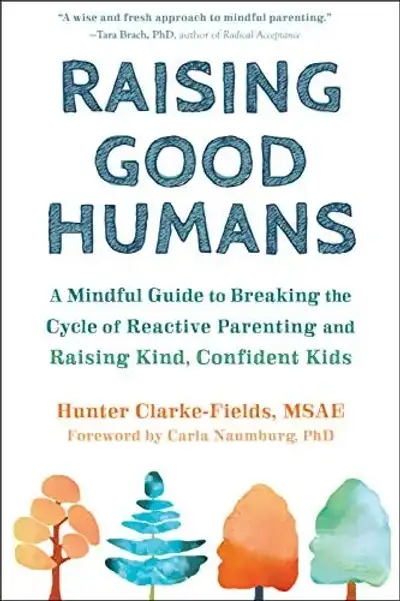
Raising Good Humans
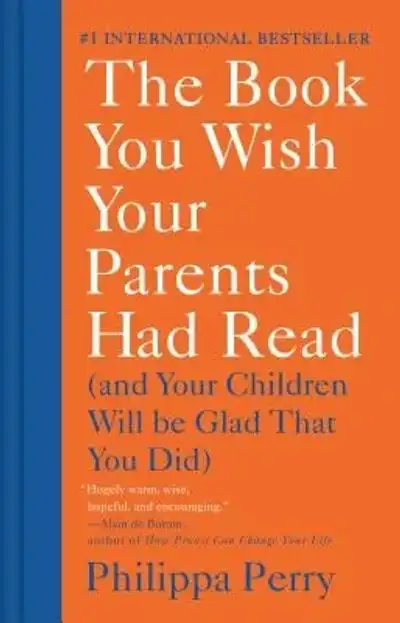
The Book You Wish Your Parents Had Read
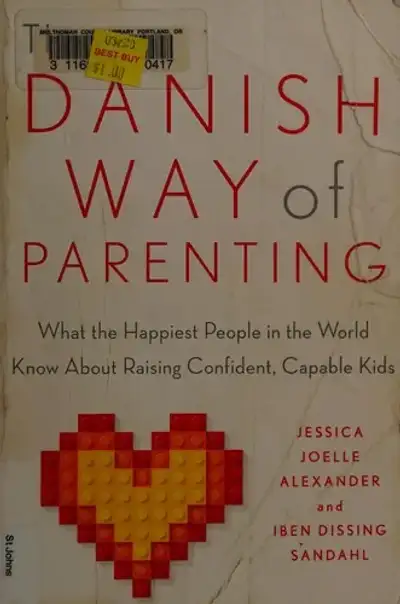
The Danish way of parenting
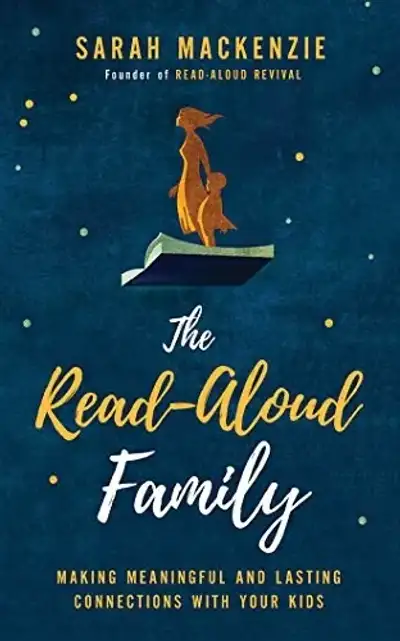
The Read-Aloud Family
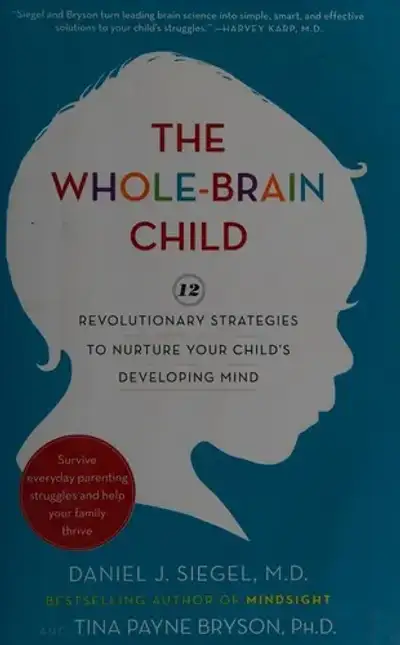
The whole-brain child
What a Family Stands For
Every family stands for something, whether it has named it or not. The values are there in the choices - how the family spends its evenings, what it laughs at, what it forgives, what it refuses. The question this category addresses is whether those values are chosen or merely inherited: whether the family has looked at what it stands for and decided, deliberately, that this is what it wants to stand for. The distinction matters because chosen values hold; inherited ones drift. The family that has named its values can teach them, defend them and repair them when they bend. The family that has not is at the mercy of whatever the culture happens to be selling.
We built this category because the question of what a family stands for is too important to be left to chance - or to the culture’s default settings. The distinction at the heart of the shelf is between values that are chosen and values that are merely inherited: chosen values hold; inherited ones drift. So we gathered the site’s articles on family values - the five-article set the Relationships section builds for each of its central themes - into a single course: the best-of list, the thoughtful guide, the meaningful-for-adults angle, the family-friendly angle and the themes-and-reading-notes companion. Read together, the five articles give a family everything it needs to name, teach and live its values.
What This Category Holds, and Why Each Article Matters
Best Family Values to Read is the curated starting point - the essential shelf of books about family values, ranked and explained for readers who want the best of the tradition. A Thoughtful Guide to Family Values builds the framework: what family values are, where they come from, and how a family goes about choosing and living them.
Meaningful Family Values for Adults takes the subject to the stage of life where the values are most tested - the years of work, parenting and competing demands when the family’s principles are either holding or bending. Family-Friendly Family Values is the children’s angle - the clean, wholesome books that transmit the values to the next generation without a single lecture. And Family Values: Themes, Values and Reading Notes is the reader’s companion, unpacking the themes and values that run through the shelf and equipping the family discussion.
Where Family Values Come From
The books in this category are honest about a difficult question: where do family values come from? The answer they give has three parts. The first is inheritance - every family is handed a set of values by its own parents, and some of them are worth keeping. The second is conviction - some values are adopted deliberately, because they are true, because they work, or because they express who the family wants to be. The third is negotiation - in any living family, the values are constantly being renegotiated as children grow, circumstances change and new members arrive. The family that imagines its values are fixed is quietly being outvoted by its own life.
This is why the category insists on the practice of naming. The family that has never said its values aloud is carrying them unexamined; the family that names them - at the dinner table, in the car, around the fire - has made them available for teaching, testing and repair. The reading-notes article is built for exactly this: the questions to ask, the values to name, the conversation to have. The family that reads these books together is not only learning about values; it is practicing the naming that values require.
How the Values Connect to the Rest of the Site
The family values category is the hinge between the family and the virtues. The values a family names are almost always the virtues the Growth section explores in detail - honesty, courage, kindness, patience, integrity, gratitude. The difference is one of setting: the Growth section treats them as qualities of a person; this category treats them as the commitments of a household. The same books appear in both, seen from the two angles - and that is the design of the site’s two maillages, by section and by category, working together.
The category also connects to the other Relationship topics: family values is the container that holds Marriage and Commitment, Parents and Children, Sibling Relationships, Respect and Manners and Responsibility at Home. Each of those categories is a specific value or relationship being practiced; this one is the frame that holds them all.
How to Use This Category
The five articles form a complete course: the best-of list to start, the guide for the framework, the adults angle for the testing years, the family-friendly angle for the children, and the reading notes for the discussion. The Relationships section, the pillar behind this category, holds the full library of the site’s relationship reading.
The Values Families Actually Name
It is worth being concrete about the values the literature actually recommends, because the list is shorter and more practical than most people expect. Across the books and the research, a small set of commitments keeps recurring: respect - the refusal to speak or act contemptuously toward members of the family, whatever the disagreement; honesty - the practice of telling the truth in the family, and of making it safe to be told; kindness - the daily preference for the kind word over the sharp one, which the research associates more strongly with family wellbeing than any grand gesture; responsibility - the expectation that each member contributes to the household and accounts for their choices; loyalty - the family’s refusal to be divided against itself, or to air its conflicts to the outside before settling them within; and forgiveness - the willingness to repair, which every book in the category treats as the operating system of family life.
These six are the load-bearing values, and the books in the category teach them in two ways: directly, through the guides that name and explain them, and indirectly, through the stories that embody them. The family-friendly shelf is where the indirect teaching happens - the clean, wholesome books that show the values operating in the lives of characters a child cares about. And the reading-notes article is where the two come together: the questions to ask, the values to name, the discussion to have after the story is closed.
The Practice of Naming Values
The category’s central practical teaching is that values must be named to be effective. An unnamed value is a drift; a named value is a commitment. The family that has never said its values aloud is carrying them unexamined, at the mercy of whatever the culture happens to be selling; the family that names them has made them available for teaching, testing and repair. The practice is simple and can begin tonight: at the next family dinner, ask the question the reading-notes article poses - what do we stand for? The answers will be imperfect, contested and wonderful, and the contest is itself the practice: values are negotiated, not dictated, and the negotiation is a value in itself.
The naming also does something subtler: it arms the children. The child who can say “in our family, we do not speak to each other that way” has something the unarmed child lacks - a vocabulary for defending the family’s standards against the culture’s. The books in this category supply that vocabulary, and the reading-notes article teaches the discussion that builds it.
The Transmission Across Generations
The deepest work of family values is transmission - the passing of the commitments from one generation to the next. The books in the category are honest that transmission cannot be achieved by instruction alone; it is achieved by story and by example, and it takes a lifetime. The child absorbs the values from the stories told and retold - the family’s own stories and the books read aloud - and from the daily evidence of how the parents actually live. The family-friendly shelf is the curriculum of the transmission: the clean, wholesome books that carry the values in the form children can absorb, without a single lecture.
The transmission also requires the parents to be the kind of people the values describe - which is the category’s most demanding teaching. The family that values honesty must practice honesty; the family that values kindness must be kind to each other, especially when it is hard; the family that values forgiveness must repair. Children are relentless auditors of the gap between what is said and what is done, and the transmission succeeds or fails on the closing of that gap. This is why the family values category connects so naturally to the Growth section: the parent who wants to transmit the virtues must first cultivate them in themselves, and the Growth section is where that cultivation is taught.
The books in this category serve the transmission at every stage: the guides for the parents’ understanding, the family-friendly shelf for the children’s absorption, and the reading-notes article for the conversations that bind the two. Read together, they are the family’s curriculum - and the family that reads them together is practicing the transmission while it reads.
Values Are Caught, Not Taught
There is a common picture of family values as something handed down - a list of rules passed from grandparents to parents to children, intact and unchanged. The books in this category suggest a more honest picture. Values are not transmitted; they are lived in front of children, and what children absorb is not the list but the living. A family that talks about honesty and then watches the parents shade the truth in small ways teaches something different from what it says. A family that never mentions generosity but is generous to the neighbor teaches generosity very well.
That is why the category treats the subject through stories as much as through guides. The novels and memoirs on this shelf are case studies in values being formed under pressure - the family that chooses forgiveness when revenge is available, the household that protects the weak one even at a cost, the parent who apologizes to a child and thereby teaches what apology is for. Readers do not need the values named; they need to see them in action, which is what fiction does best.
The Values These Books Keep Returning To
Certain values recur across the whole shelf, and it is worth naming them because they form the category’s spine. Loyalty comes first - the choice to stay when staying is hard, the refusal to abandon someone because the relationship has become inconvenient. Honesty comes second, and the books are sophisticated about it: they distinguish between honesty as a weapon and honesty as a gift, and they are clear that the second kind is the one that holds a family together. Forgiveness comes third, and the stories earn it - no one in these books forgives cheaply, and the forgiveness that matters is the one that costs something. Responsibility comes fourth: the quiet willingness to be the one who does the undone thing, who notices what no one asked anyone to notice.
The deep dives into the authors on this shelf - the writers who made family their lifelong subject - show these values being tested across decades and classes and continents. What is striking is how stable the core is: whether the family is a Victorian household or a contemporary one, the same choices keep turning out to be the load-bearing ones.
How the Shelf Is Built
The structure gives you several ways in. If you want the subject defined and the best starting books, begin with the guide and the reading list at the top of the page. If you learn from stories, the read-alikes will take you into the novels themselves. If you want to understand the tradition, the author studies show you the writers who built it. The family-friendly shelf is for reading with children - the values are the same, but the books meet a younger reader where they are. The meaningful shelf for adults goes deeper, because the values question changes shape as you get older: what you were taught as a child becomes something you must choose as an adult, and choosing it makes it yours in a way inheritance never can. The themes-and-reading-notes article turns the whole shelf into a conversation, which is where family values actually get examined - around the table, not in the abstract.
The Argument in One Line
The books on this page argue that a family’s values are its most practical possession: the thing that tells everyone inside it what to do when no one is watching, what to reach for when the easy thing and the right thing diverge. Read the shelf and you will finish with a clearer sense of what you want your family to stand for - and, more usefully, what you are already teaching it, whether you meant to or not.
The Moments That Make a Value Real
The novels on this shelf earn their place by doing something arguments cannot: they show values under pressure. A value that has never cost anything is not really a value; it is a preference. The stories gathered here are full of moments where the cost arrives - where loyalty means losing something, where honesty means hurting someone, where forgiveness means swallowing a legitimate grievance. Watching characters pay the price is what makes the values real to the reader, and it is why fiction is the right medium for this subject.
Take the read-alikes as an example. The novels they lead you to are not lectures about family values; they are households in crisis, families making choices under conditions no one would choose, parents and children doing their imperfect best. The values emerge from the choices, and they stay with the reader because they were witnessed rather than asserted. That is the difference between this shelf and a sermon: the sermons tell you what to believe, and the stories show you what belief costs, which is the only way it becomes yours.
Why the Subject Deepens With Age
The family-friendly shelf and the meaningful-for-adults shelf exist because the values question does not stay the same across a lifetime. A child absorbs values the way a plant absorbs light - without much reflection, from whatever is around. An adult must do something harder: sort through what was absorbed, keep what survives scrutiny, discard what does not, and then take responsibility for passing something chosen to the next generation. That is why the adult shelf goes deeper and why the themes-and-reading-notes article is worth using even if you have no book club: the questions it asks are the ones every adult family member is already living. The category does not pretend the sorting is easy. It only insists that the books make it possible - that the tradition of family literature is exactly the resource you need when you sit down to decide what your family actually stands for.
Where This Category Lives
The Relationships section is the pillar behind this category - every article gathered here lives in it, and it holds the full library of the site’s relationship reading. Browse the section here. From there the same themes continue into the other sections - the family’s values under ordeal in Stories, the virtues behind the values in Growth, the values as craft in Guides - and the category pages of the site gather those shelves by subject. The Family category is the lived experience; this one is the framework.
Read the Values You Want to Hand Down
The values a family actually lives are the ones it practices, not the ones it preaches - and the books on this page are the practice: the stories that model honesty, loyalty, patience and love for the readers who will carry them forward. The guides rank the titles; the stories do the teaching.
So choose the value you most want to pass down, start with the guide, and take the shelf to the table this week. Read one story aloud, with the children if there are children, and let the value arrive through the characters rather than the lecture.
The values you hand down will outlive everything else you give them. Choose the books that carry them well.