Courage Books: The Form of Every Virtue at the Testing Point
Why we built the Courage category: the guides, read-alikes and author deep-dives about bravery, moral courage and the strength to act.
25 items in this category
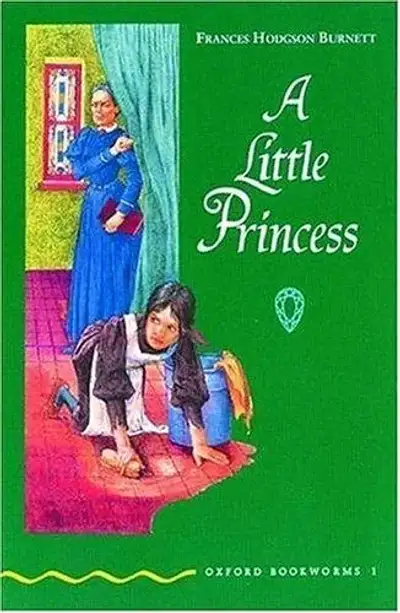
A Little Princess
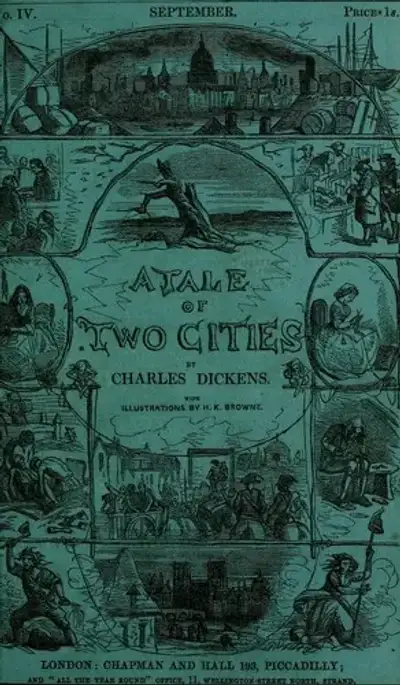
A Tale of Two Cities
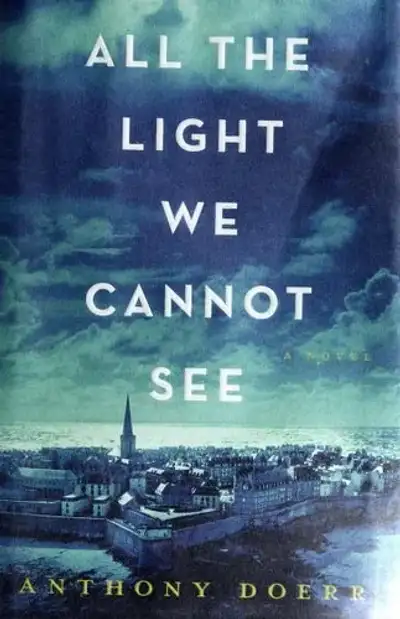
All the Light We Cannot See
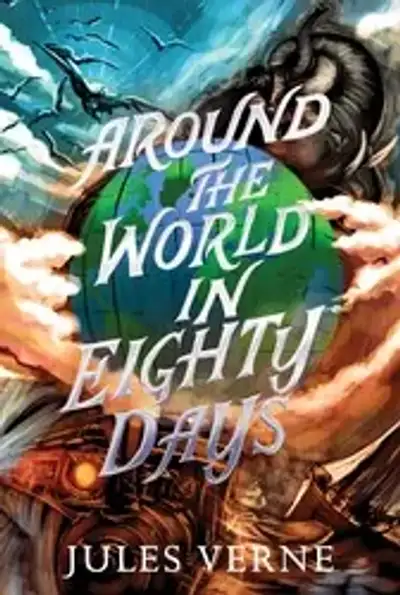
Around the World in Eighty Days
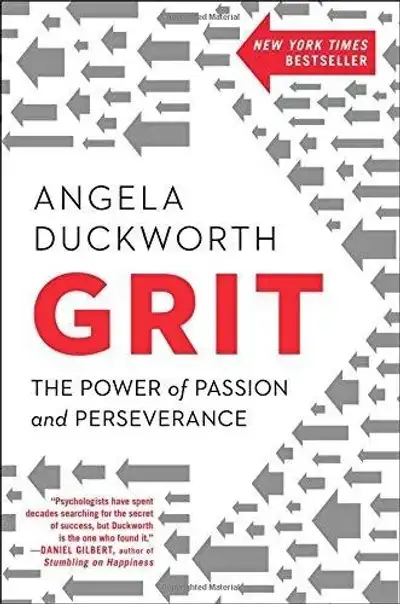
Grit
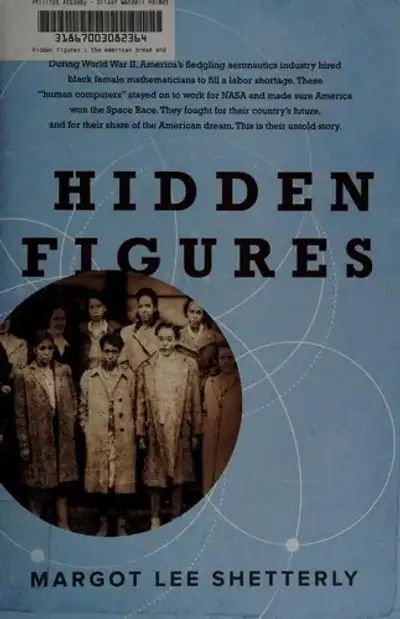
Hidden Figures
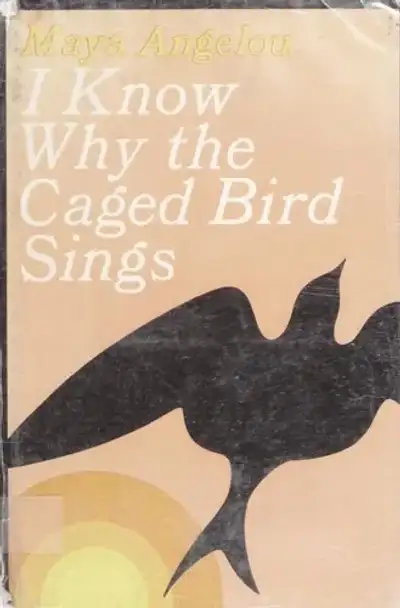
I Know Why the Caged Bird Sings
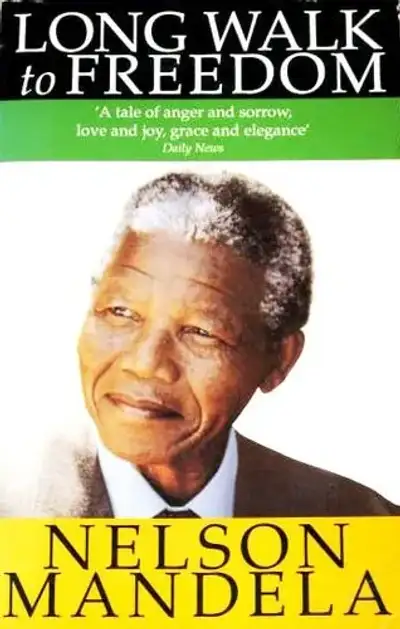
Long Walk to Freedom
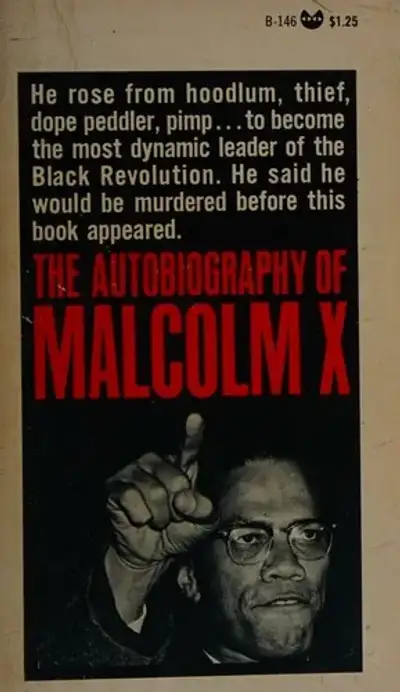
The Autobiography of Malcolm X

The Book Thief
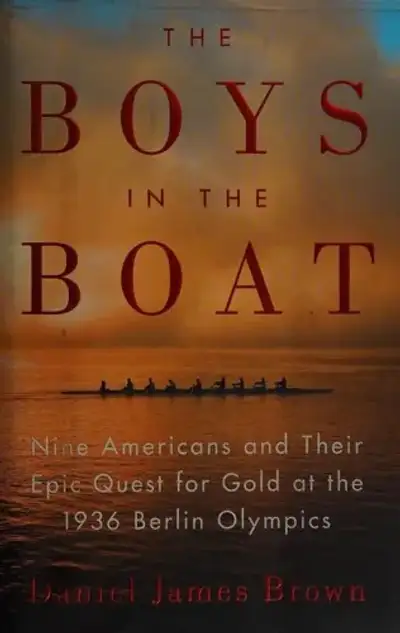
The Boys in the Boat
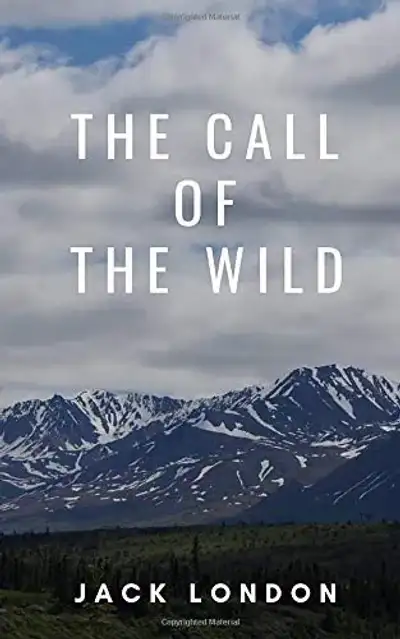
The Call of the Wild
Courage Is Not the Absence of Fear
Almost everything we think we know about courage is wrong. We picture the soldier charging the machine-gun nest, the firefighter running into the burning building - and those are forms of courage, certainly, the physical kind that we admire from a safe distance. But the courage that shapes a life is mostly the other kind: the courage to speak when speaking is dangerous, to stay when staying is hard, to be honest when honesty costs something, to begin when beginning is terrifying. C. S. Lewis once defined courage as “not simply one of the virtues, but the form of every virtue at the testing point” - which is another way of saying that courage is what the other virtues look like when they are hard.
This category gathers everything RainingBook has published about that testing point. The articles range from practical guides to the psychology of bravery, to read-alike shelves built around the books that have helped people find their nerve, to deep dives into the authors - thinkers, poets, presidents and survivors - who have written most powerfully about acting in the face of fear.
The Guide Shelf: Understanding the Testing Point
The five guides form the framework of the category. Best Courage to Read is the curated starting point, ranking the essential titles and explaining why each earns its place. A Thoughtful Guide to Courage then builds the deeper picture: what courage is, how it differs from recklessness, and how it can be cultivated rather than merely admired.
Meaningful Courage for Adults takes the subject to the moments where it is usually demanded - the hard conversation, the honest resignation, the difficult choice made quietly in adult life. Family-Friendly Courage gathers the clean, wholesome books that teach children that bravery is not the absence of fear but action in spite of it. And Courage: Themes, Values and Reading Notes is the reader’s companion, unpacking the themes that run through the shelf.
The Read-Alike Shelves: Five Books That Find Your Nerve
The read-alike articles are built around the modern books that have most often helped readers find their courage.
The Gifts of Imperfection is Brené Brown’s argument that the courage to be imperfect - to be seen, to be vulnerable, to belong without performing - is the foundation of a whole life. The Courage to Be Disliked is the bracing Adlerian counterpoint, in dialogue form: the freedom to live your own life begins with the willingness to be disliked, and the book walks through what that costs and why it is worth it.
The remaining shelves come at courage from different directions. The Last Lecture - Randy Pausch’s goodbye to his children, delivered as a lecture while dying of pancreatic cancer - is courage as grace under the worst possible news. The Henna Artist shows a woman in 1950s India building an independent life against every convention of her world - the courage of self-reliance and reinvention. Together they show the range: courage as vulnerability, courage as freedom, courage as dignity, and courage as independence.
The Author Deep-Dives: Five Voices on Bravery
The author articles bring together five of the most powerful voices on courage in modern letters. Brené Brown reframed courage for the twenty-first century as the willingness to be vulnerable - daring greatly rather than never failing. Maya Angelou is the poet of rising - “still I’ll rise” - whose own life was a proof of moral courage under the most brutal circumstances.
The other three show courage at the scale of history and thought. Ralph Waldo Emerson - whose essay “Self-Reliance” is one of the founding documents of American individualism - supplies the philosophical frame. Nelson Mandela is the modern proof that courage can be patient, strategic and nonviolent and still move the world. And Viktor E. Frankl contributes the deepest insight of all: that the ultimate human freedom is the choice of one’s attitude in any given set of circumstances.
The Two Kinds of Courage
It helps to distinguish the two kinds of courage before you start reading, because the books in this category divide along the same line. The first kind is physical courage - the willingness to face danger, pain or death. This is the courage of the soldier and the firefighter, and it has dominated the popular imagination since Homer. The second kind is moral courage - the willingness to face social danger: disapproval, rejection, ridicule, exile. This is the courage of the whistleblower, the dissenter, the person who says the unfashionable true thing in a room full of fashionable falsehoods. It is less dramatic than physical courage and vastly more common in ordinary life, which is precisely why the modern books in this category concentrate on it.
The great insight of the modern literature is that moral courage is the courage most of us actually need. The Courage to Be Disliked is the purest statement of this: it argues, in the tradition of Adlerian psychology, that the fear of being disliked is the prison of the unexamined life, and that freedom begins when you accept that you cannot please everyone and stop trying. The Gifts of Imperfection makes the complementary argument from the side of vulnerability: the courage to be imperfectly seen is the precondition of belonging. And Emerson’s Self-Reliance, the founding text of the tradition, says it in the most quoted sentence in American letters: “Whoso would be a man must be a nonconformist.”
Courage as the Form of Every Virtue
The deepest philosophical treatment of courage comes from Aristotle, and it supplies the framework that holds this category together. Courage, for Aristotle, is the mean between two vices: cowardice (too much fear) and recklessness (too little). The courageous person is not fearless - fearlessness is either ignorance or madness - but feels the right amount of fear, at the right time, for the right reasons, and acts anyway. This is why C. S. Lewis could call courage “the form of every virtue at the testing point”: every virtue, when it is hard, requires courage to perform. Honesty is courage when the truth is costly; kindness is courage when kindness is risky; patience is courage when patience feels like surrender.
This way of thinking about courage explains why the read-alike shelves reach so far beyond the obvious war stories. The Last Lecture is courage in the face of death - but it is also honesty, since Randy Pausch refused to pretend he was not dying, and generosity, since the lecture was built for children he would not see grow up. The Henna Artist is courage as self-reliance - a woman in 1950s India building an independent life against the conventions of her world. Maya Angelou is courage as the refusal to be broken. Read together, they show courage wearing every virtue’s clothes.
Learning Courage
Can courage be learned? The books in this category answer with an emphatic yes, and they agree on the method: courage is acquired by practice, in graduated doses. Aristotle said it explicitly - we become brave by doing brave acts - and the modern psychology agrees. Brené Brown’s research on vulnerability and shame shows that courage is a skill that can be developed through deliberate exposure to the things that frighten us, in conditions of safety and support. The Gifts of Imperfection is in effect a training manual for this kind of moral courage: it names the fears (of not being enough, of being seen, of belonging) and offers the practices (self-compassion, wholeheartedness, the willingness to be imperfect) that build the muscle.
This is also why the category includes the family-friendly shelf. Courage is best taught young, and the children’s books gathered there - clean, wholesome, deeply encouraging - model the graduated practice of bravery: the child who speaks in class despite the shaking voice, the child who admits a mistake, the child who stands up for the smaller child. The lesson is the same at every age: courage does not arrive fully formed. It is built, one small brave act at a time, and the books in this category are the scaffolding.
The same scaffolding is what the category itself is built from. The guides name the fear and the method; the read-alikes supply the company - the books other people reached for when their nerve failed; the author deep-dives supply the proof, the lives that answer the question “can it be done?” with the only evidence that settles it. However you arrive - frightened, curious, or simply looking for a better way to be brave - the category is arranged so that you can enter at the shelf that matches your need and follow it into the rest. That is the point of gathering them here at all.
How to Use This Category
The guides build the framework; the read-alikes find the book that meets you where you are; the authors take you deep with the five voices - Brown, Angelou, Emerson, Mandela and Frankl - who have written most powerfully about acting in spite of fear. And when you are ready to widen the lens, the Growth section - the pillar behind this category - holds every article on personal growth the site has published.
A Suggested Reading Path
Courage is a subject that rewards a particular order of reading. Begin with the framework: A Thoughtful Guide to Courage to understand what courage is and is not, and Best Courage to Read for the curated shortlist. Then choose the door that matches your current need. If you need courage to be seen and imperfect, start with The Gifts of Imperfection and the Brené Brown deep-dive. If you need courage to be free of other people’s opinions, start with The Courage to Be Disliked. If you need perspective on your own fear, read Nelson Mandela or Viktor Frankl - courage at the scale of history, which has a way of shrinking our own obstacles to their true size.
For the literary path, The Last Lecture is the most moving single book in the category - grace under the worst possible news - and The Henna Artist shows courage as quiet self-reliance rather than drama. Maya Angelou’s deep-dive and Emerson’s Self-Reliance supply the poetry and the philosophy. And if you are choosing books for a child, Family-Friendly Courage and Courage: Themes, Values and Reading Notes are where to begin - the first for the books, the second for the discussion.
What the Fearless People Turn Out to Have
The most useful thing the books in this category do is separate courage from the feeling people expect to have before acting. The cultural picture is of the hero who feels no fear - who strides forward because they are brave. The literature on this shelf is unanimous on the opposite point: courage is not the absence of fear, it is the decision to act in spite of it. The people who do brave things are afraid; that is what makes what they do brave. Courage is the decision, made in advance or in the moment, that something matters more than safety - and the decision is available to everyone, not just to the temperamentally fearless.
That reframe is the category’s foundation, and it changes how the books should be read. The read-alikes on this page are not stories about fearless people; they are stories about afraid people who decided anyway. The guides name the decision and its parts. The author studies show the writers - many of them people who made the decision under the hardest conditions - who have mapped the territory. The family-friendly shelf brings the theme to children, who are forming their picture of what courage is; the meaningful shelf for adults goes deeper, because adult courage is less dramatic and harder - the long decision to keep going, to tell the truth, to stay.
The Varieties of Courage
The category is careful not to flatten the subject. The books distinguish several kinds of courage, and the distinction is worth having. There is the courage of the moment - the physical bravery that the adventure stories are built around. There is the courage of endurance - the long-haul bravery of the person who keeps going through months and years of difficulty. There is the moral courage of speaking the truth when it is dangerous, and the quieter courage of being honest with yourself. And there is the courage of vulnerability - the decision to be seen, to risk rejection, to love knowing it can be lost. The shelves on this page cover all of them, because a person can be heroic in one register and a coward in another, and the full picture of courage includes all the registers.
The author studies are especially valuable on this point, because the writers gathered there practiced courage in different arenas - some in the arena of action, some in the arena of endurance, some in the arena of the word. Read together, they show that courage is not one thing but a family of related decisions, and that most people are capable of more of them than they think.
Courage in the Wider Library
The courage shelf connects to the whole architecture of the site. It connects to resilience, because endurance is where courage and resilience overlap. It connects to hope, because the decision to act assumes the possibility of a better outcome. It connects to integrity, because moral courage is integrity under pressure. And it connects to the justice-and-fairness category, because the courage to stand for what is right is where the two themes meet. The links on this page map that mesh, and they are worth following: courage is not an isolated virtue but the point where several of the most important ones are tested.
Entering the Shelf at Your Level
If you want the shape of the subject, start with the guide. If you want the stories, follow the read-alikes - the novels and memoirs that show the decision being made under every kind of pressure. If you want the tradition, follow the author studies. And if you want the honest version, read the themes-and-reading-notes article, which names what the books share: that courage is a decision, that the decision is made by afraid people, and that it is available to you. The category does not promise that you will never be afraid. It promises something better: that fear does not have to be the last word.
Where This Category Lives
The Growth section is the pillar behind this category - every article gathered here lives in it, and it holds the full library of the site’s writing on personal growth, virtue and moral courage. Browse the section here. From there the same themes continue into the other sections - courage under ordeal in Stories, courage in relationship in Relationships, courage as craft in Guides - and the category pages of the site gather those shelves by subject.
Courage Is Not an Idea. It Is a Book Away.
Nobody becomes braver by reading about bravery - they become braver by meeting it, up close, in a story they cannot put down. The courage articles on this page are the meeting place: the guides that define the theme, the shelves that rank the books, the author studies that follow courage through the writers who had to have it.
Stop waiting for the moment that will demand courage of you. Meet it first in a book, where the cost is on the page instead of on you. Start with the guide, take the ranked shelf, and read the first book this week - so that when the real moment comes, you will already know the shape of it.
The brave books are waiting. The question is whether you are ready to meet them halfway.