Marriage Books: The Deepest Promise and the Daily Work of Keeping It
Why we built the Marriage and Commitment category: the books about the deepest promise two people make - and the daily, unglamorous work of keeping it across a lifetime.
2 items in this category
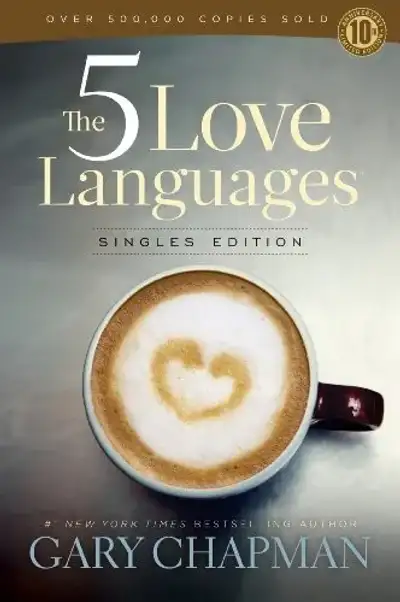
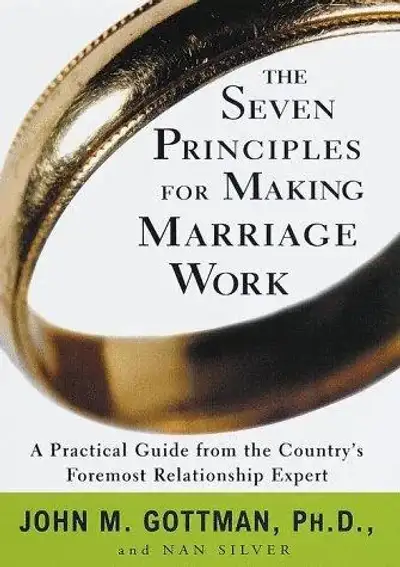
The Deepest Promise
Marriage is the deepest promise most people ever make - the promise to be present, faithful and kind to one person, for life, through everything the life brings. It is also, for that exact reason, the most ordinary of miracles: every day, in every town, people keep promises that most of their culture treats as fragile, and the keeping is what holds families, neighborhoods and civilizations together. We built this category because the deepest promise deserves better than platitudes. Marriage is the most important commitment most people ever make, and the books that take it seriously deserve a shelf of their own - so we gathered the site’s articles on marriage and commitment into a single place: the guides and reading lists that explore what the promise is, what it costs, and what it builds, kept honest by the research and the tradition alike.
The subject deserves the seriousness the books give it, because the culture around marriage has changed more in the last century than in the previous ten. The institution has moved from economic arrangement to romantic union to - in the most recent phase - a deliberate project of two people building a shared life. What has not changed is the core discovery of the literature: that a good marriage is not found but built, and that the building is daily, unglamorous work done by two people who have decided, again and again, to keep their promise.
What This Category Holds, and Why Each Article Matters
Best Marriage and Commitment to Read is the curated starting point - the essential shelf, ranked and explained. A Thoughtful Guide to Marriage and Commitment builds the framework: what commitment is, why it is so difficult, and how it can be maintained across a lifetime.
Meaningful Marriage and Commitment for Adults takes the subject to the years where the promise is most tested - the middle decades of work, children and accumulated exhaustion, when the daily keeping of the promise is harder than the wedding-day making of it. Family-Friendly Marriage and Commitment is the children’s angle - the clean, wholesome books that show the next generation what commitment looks like from the inside. And Marriage and Commitment: Themes, Values and Reading Notes is the reader’s companion, unpacking the themes and equipping the discussion.
What the Research Says About Commitment
The modern literature on marriage has one great advantage over the tradition: measurement. The research - most famously associated with the work of John Gottman - has observed thousands of couples and identified the patterns that predict durability. The findings are consistent, and they mostly confirm what the older wisdom suspected. The couples who last are not the ones who never fight; they are the ones who repair well after fighting. They are not the ones who agree on everything; they are the ones who maintain respect through disagreement. They are not the ones without flaws; they are the ones who turn toward each other’s bids for attention, in the small daily moments, with what Gottman calls the “emotional bank account” of accumulated goodwill.
The most striking finding is about the small things. The research suggests that the difference between the marriages that last and the ones that don’t is less a matter of the dramatic moments - the crises, the betrayals, the great decisions - than of the thousands of small moments in between: the turning toward, the acknowledgment, the shared joke, the hand on the shoulder. This is why the category’s books keep returning to daily practice: commitment is not maintained by the wedding vow but by the ten thousand small renewals that follow it.
Commitment as a Practice
The category’s deepest teaching is that commitment is a practice, not a feeling. The romantic culture has trained us to think of marriage as the expression of a feeling - love - and to fear that when the feeling fades, the marriage has failed. The literature of commitment corrects this: feelings fluctuate, and the promise is precisely what holds when the feeling is not there. The committed spouse does not wait to feel loving; they act loving, and the acting - the attention, the kindness, the repair - is what keeps the feeling possible. This is the discovery that unites the research and the tradition: love is less a feeling that marriage expresses than a practice that marriage trains.
This is also why the category belongs in the Relationships section rather than in Growth: commitment is a relational virtue, practiced in the space between two people. The Growth section supplies the personal foundations - patience, integrity, self-discipline, forgiveness - and this category shows them operating inside the deepest promise. The two sections are the two faces of the same work: the person becoming worthy of the promise, and the promise being kept daily.
How to Use This Category
The five articles form a complete course: the best-of list to start, the guide for the framework, the adults angle for the testing years, the family-friendly angle for the children, and the reading notes for the discussion. The Relationships section, the pillar behind this category, holds the full library of the site’s relationship reading.
The Daily Practices of Commitment
The literature of marriage is unusually concrete, and the practices it recommends can be listed and begun this week. The first is turning toward: the research shows that couples who last respond to each other’s bids for attention - the small remark, the shared observation, the request - with acknowledgment rather than dismissal. The second is repair: the couples who last are not the ones who never fight but the ones who repair well after fighting, and the repair often begins with a single sentence - “that came out wrong,” “I was tired,” “I am sorry.” The third is appreciation: the practice of noticing and saying what the other does well, which builds the emotional bank account that carries the marriage through the withdrawals. The fourth is shared meaning: the couple that has named what it is building together - the family, the home, the life - has a compass that the couple living from day to day lacks.
These practices are not romantic; they are more like the maintenance of a garden than the excitement of a courtship. But the research and the testimony agree that they are what the marriage is made of, and the books in this category teach them all. The guides name them, the best-of lists gather the books that develop them, and the reading-notes article turns them into questions a couple can actually discuss.
Commitment and the Culture
The category is also honest about the context: commitment is practiced against a culture that is largely hostile to it. The romantic ideal teaches that love is a feeling and that marriage is its expression - which sets every marriage up for the moment when the feeling fades. The entertainment industry profits from stories of leaving; the self-help industry profits from stories of self-fulfillment that quietly license abandonment. The books in this category are the counter-literature: the record, gathered from the research and from marriages that have lasted, of what commitment actually requires and what it actually builds.
This is why the category matters beyond the individual couple. The promise-keeping marriage is the load-bearing wall of the family, and the family is the load-bearing wall of everything else. The books gathered here are not only advice for two people; they are the defense of an institution that every other institution depends on. The reader who takes the category seriously is doing more than improving their own marriage - they are tending the foundation.
The Stages of a Marriage
The books in the category map the stages of a marriage, and knowing the map helps. The first stage is the fusion - the early years of merging lives, when the couple is building the shared world and the excitement of the new is doing much of the work. The second is the establishment - the years of careers, children and accumulation, when the marriage is tested by exhaustion and the daily competition for attention, and when the practices of turning toward and repair become essential. The third is the empty nest - the years after the children leave, when the couple must rediscover each other without the scaffolding of parenting, and when many marriages either deepen or fail. The fourth is the long afternoon - the later years, when the couple has become each other’s history and the relationship is less about growth than about companionship and care.
Each stage has its own work, and the category’s books address each in turn: the guides for the establishment years, the meaningful-for-adults article for the later stages, the family-friendly shelf for the years when the children are watching and learning what commitment looks like. The couple that knows the map is less likely to be caught by surprise - and the books supply both the map and the practices for each territory.
The Witness of the Children
The family-friendly angle of the category carries a lesson that the adult books sometimes miss: the children are watching. Every marriage is a classroom, and the children in it are learning what commitment is - not from the wedding vow, which they did not witness, but from the daily evidence: how the parents speak to each other, repair with each other, laugh with each other and stay with each other. The research on the children of lasting marriages is clear: the gift of the parents’ commitment is not only to the marriage but to the children, who absorb the pattern of promise-keeping before they are old enough to make their own promises.
This is why the family-friendly shelf matters: it gives the children the vocabulary of commitment in the form they can absorb, and it gives the parents the shared reading that turns the marriage into a family project. The child who reads about commitment and watches it practiced is twice taught; the family that reads together is practicing the transmission while it reads.
The Second Half of the Story
Marriage is the only relationship that is explicitly about duration. Friendships can drift, sibling bonds are given, but marriage is a promise measured in decades - and the books in this category are all, in one way or another, about what happens when the promise meets real time. The infatuation fades, the circumstances change, the people change, and the question becomes what the promise means now. The literature on this shelf is remarkably honest about that question. It does not pretend the long middle of a marriage is romantic; it insists that the long middle is where marriage is actually made.
That is the category’s central reframe. The culture sells marriage as a beginning - the wedding, the proposal, the first year - and then goes quiet, as if the story ended there. The novels and memoirs here pick the story up exactly where the culture drops it. They are about the fifteenth year and the thirtieth, about the marriage that survived the children and the one that did not survive the empty nest, about the couple who chose each other again in year twenty after a year in which choosing each other felt impossible. Reading them is like being given the second half of a book you had only been shown the first half of.
What Keeps a Marriage: The Patterns in the Stories
Certain patterns recur across the whole shelf, and they are worth naming because they are the practical content of the category. The first is chosenness: the marriages that last are the ones where staying is continually re-chosen, where the partners keep finding reasons to say yes again. The second is forgiveness: every long marriage accumulates a debt ledger, and the marriages that work are the ones that periodically wipe the ledger clean. The third is shared history: the couple who can say “remember when” to each other about forty years of shared events possesses something no one else can give them. The fourth is separateness preserved: the marriages that smother are the ones where the partners merged entirely, and the ones that last are the ones where each person kept a self to come home to.
The read-alikes on this page carry those patterns in story form, and the author deep-dives show the writers who have mapped the territory across different eras. The family-friendly shelf is not about marriage for children - it is about the marriages in family stories that children witness and absorb, the models of partnership they are quietly learning from. The meaningful shelf for adults goes deepest, because the questions of the long middle are adult questions. And the themes-and-reading-notes article turns the whole shelf into material for the conversation every marriage needs and almost no one schedules: what are we actually promising each other, and are we still keeping it?
The Category’s Honest Bottom Line
The books gathered here will not tell you whether your marriage should last; that is not a question a shelf can answer. What they can do is show you the full territory of a long commitment - the boredom and the depth, the resentment and the rescue, the ordinary days that turn out, in retrospect, to have been the whole thing. Read them and you will understand your own marriage better, which is the first step toward whatever comes next.
Where the Long Middle Connects on This Site
This shelf does not stand alone, and the links at the bottom of the page exist to show you where it connects. The marriage stories on this page share territory with the healthy-relationships category, which covers the daily practices - communication, repair, boundaries - that keep any partnership sound. They connect forward to the family categories, because the marriages here are usually marriages with children in them, and the parenting shelves show the same households from the other side. And they connect sideways to the romance category, which holds the love stories told with the door closed - the books that celebrate the beginning while this shelf tells the truth about the rest.
That is the mesh the whole site is built on, and it is worth using. A reader who wants the full picture of commitment reads the romance shelves for the beginning, the healthy-relationships shelves for the practices, this shelf for the long middle, and the family shelves for what comes after. No single page holds the whole story, because no single page should. The links are the point: they are how the library mirrors the way a life actually unfolds. Start here, follow the thread, and the shelves will carry you through the whole arc of a committed life.
Where This Category Lives
The Relationships section is the pillar behind this category - every article gathered here lives in it, and it holds the full library of the site’s relationship reading. Browse the section here. From there the same themes continue into the other sections - commitment under ordeal in Stories, the virtues that sustain the promise in Growth, the promise as craft in Guides - and the category pages of the site gather those shelves by subject.
Read the Book That Takes the Long View
Marriage is the theme of the long game - the books on this page are the ones that take commitment seriously enough to show its actual shape: the patience, the repair, the choice renewed daily. Whether you are newly committed or decades in, the shelves here are the map.
Take the guide, then the shelf - and read this week with your own commitment in mind. The good marriage books do not tell you what your marriage should be; they show you what the long view looks like, and the looking is the work.
A commitment read about is a commitment kept company. Read it together if you can.