Parenting Books: The Relationship That Shapes All Others
Why we built the Parents and Children category: the books about the first relationship - the one in which we learn what relationships are - and the deliberate work of doing it well.
8 items in this category
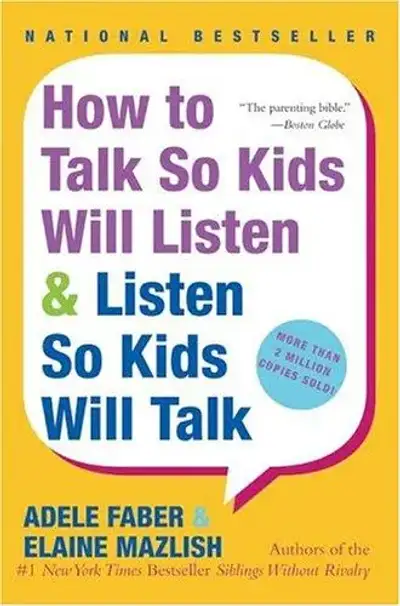
How to talk so kids will listen & listen so kids will talk
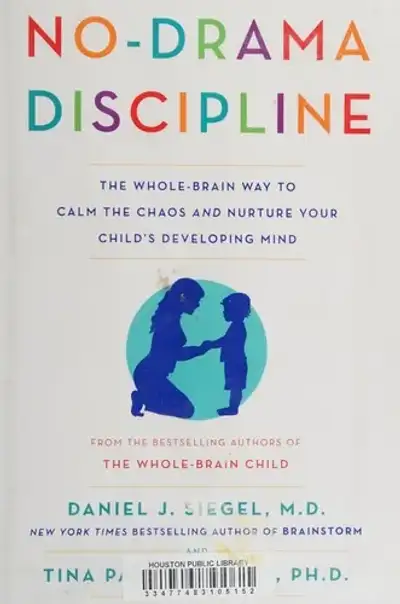
No-drama discipline
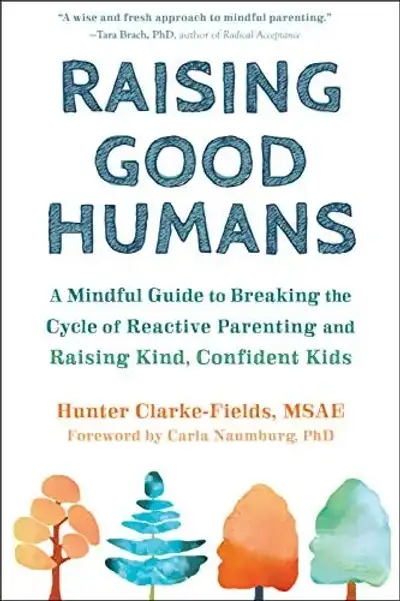
Raising Good Humans
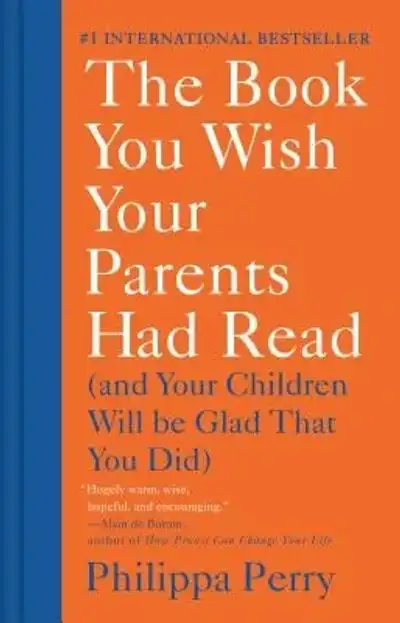
The Book You Wish Your Parents Had Read
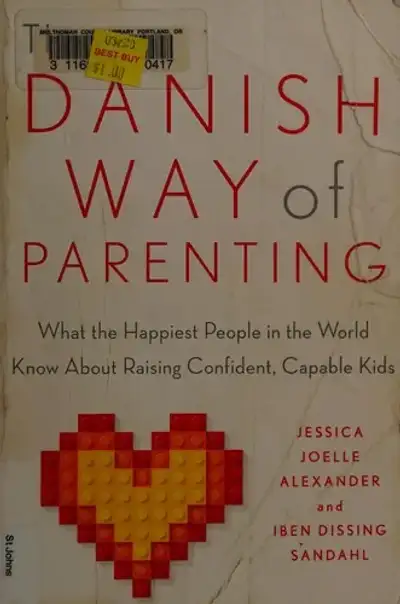
The Danish way of parenting

The Railway Children
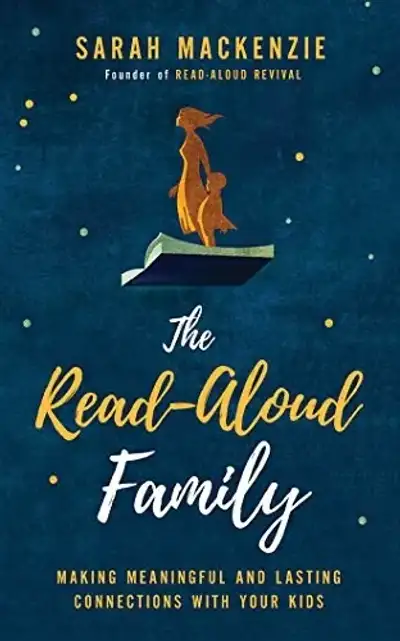
The Read-Aloud Family
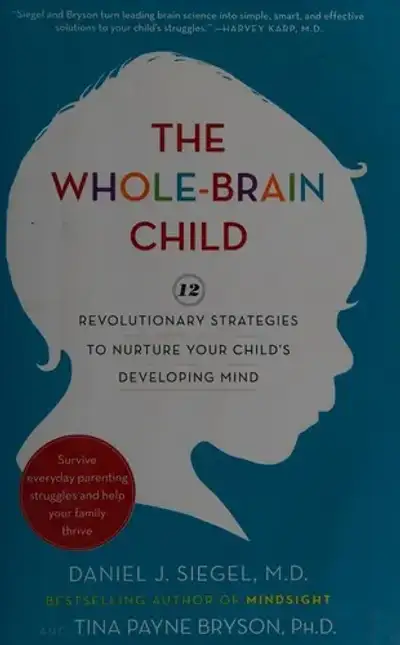
The whole-brain child
The Relationship That Shapes All Others
The relationship between parent and child is the first relationship, the one in which we learn what relationships are. Before a child can form a friendship, a marriage or a community, they form this one - and what they learn here - about trust, attention, boundaries, forgiveness and love - becomes the template for everything after. This is why the literature of parenting is not merely practical advice but something closer to foundation work: the parent who reads these books is not just learning techniques; they are tending the root system of another human being’s entire relational life.
We built this category because parenting is the most important work most people ever do, and the reading life has something real to offer it - not techniques so much as a framework, a shelf and a shared conversation. The subject is enormous, and the category does not pretend to cover it all; what it offers is the framework, the shelf and the discussion - everything a parent needs to begin the deliberate work of the deepest relationship. We gathered the site’s articles on parents and children into this single course for exactly that purpose.
What This Category Holds, and Why Each Article Matters
Best Parents and Children to Read is the curated starting point - the essential shelf, ranked and explained. A Thoughtful Guide to Parents and Children builds the framework: what the relationship is, what it needs, and how it can be tended across the decades.
Meaningful Parents and Children for Adults takes the subject to the stage of life where the roles shift - when the parent ages and the child becomes the caregiver, and the relationship must be renegotiated with tenderness. Family-Friendly Parents and Children is the children’s angle - the clean, wholesome books that families can read together about the bond between the generations. And Parents and Children: Themes, Values and Reading Notes is the reader’s companion, unpacking the themes and equipping the family discussion.
What the Research Says
The modern science of parenting has produced a rare thing: a genuine consensus. Across the schools - attachment theory, the research on authoritative parenting, the newer work on emotional regulation - the findings converge on a few robust principles. The first is presence: the single most reliable predictor of a child’s flourishing is not the curriculum, the gadgets or the enrichment classes, but the felt presence of a parent - the attention that says, without words, you matter. The second is warmth with structure: the parenting style the research consistently associates with the best outcomes is neither permissive nor authoritarian but authoritative - high warmth combined with clear boundaries, so that the child feels both loved and held. The third is repair: no parent is present and warm and structured all the time, and the research is reassuring that the mistakes matter less than the repair - the apology, the reconnection, the demonstration that the relationship survives rupture.
These findings matter because they free parents from the tyranny of perfection. The perfect parent does not exist and does not need to; the adequate parent - present, warm, structured, repairing - is what the research actually recommends, and it is within everyone’s reach. The books in this category are built on this reassurance.
The Two Directions of the Relationship
The parent-child relationship runs in two directions, and the category honors both. The first direction is the parent tending the child - the work of the first two decades, when the parent is the primary giver. The second direction is the child tending the parent - the work of the last decades, when the roles reverse and the adult child becomes the caregiver. The second direction is the one the culture prepares us least for, which is why Meaningful Parents and Children for Adults exists: it takes the relationship to the stage where it must be renegotiated, with tenderness and honesty, and where the books can help the adult child find the words.
Both directions rest on the same foundation: the accumulated trust of a lifetime. The parent who was present builds a child who will be present; the parent who repaired builds a child who knows repair is possible. The relationship is a long investment, and the books in this category are the investment guide.
How to Use This Category
The five articles form a complete course: the best-of list to start, the guide for the framework, the adults angle for the role-reversal years, the family-friendly angle for shared reading, and the reading notes for the discussion. The Relationships section, the pillar behind this category, holds the full library of the site’s relationship reading.
The Practices of Good Enough Parenting
The research converges on a handful of practices, and it is worth naming them because they are more modest - and more achievable - than the parenting culture suggests. The first is attention: the regular, unhurried presence of a parent, which the research associates more strongly with flourishing than any enrichment activity. The second is the family meal: one of the most robust findings in the whole literature is that the frequency of family meals predicts everything from academic performance to emotional health - not because of the food but because of the table, the unhurried attention, the ordinary conversation. The third is reading together: the child who is read to becomes the reader, and the reading is also the relationship - the shared world, the closeness, the nightly ritual. The fourth is repair: the apology and reconnection that show the child that relationships survive rupture. And the fifth is modeling: the child learns far more from watching the parent than from hearing them - how the parent treats the other parent, the neighbor, the difficult person, is the real curriculum.
These five practices are the whole of the category’s practical teaching, and they are within every parent’s reach. They do not require wealth, expertise or perfection; they require presence, and presence is a choice. The books in this category supply the vocabulary and the stories; the practices supply the daily shape.
The Relationship Across the Decades
The parent-child relationship does not end when the child grows up; it changes shape, and the books in the category map the change. In the first decades, the parent gives and the child receives; in the middle decades, the relationship becomes more equal - friendship layered over the original bond; in the last decades, the roles reverse, and the adult child becomes the caregiver. The reversal is the stage the culture prepares us least for, and it is the stage where the accumulated trust of a lifetime is spent or found. The parent who was present builds a child who will be present; the parent who repaired builds a child who knows repair is possible; the parent who made the family a place of safety builds the adult child who will make the parent’s last years safe.
The category’s adult articles are built for this whole arc - not only the early years of technique but the later years of tenderness, when the relationship must be renegotiated with honesty and the books can help the adult child find the words. The deepest teaching of the category is that the parent-child relationship is a lifetime investment with compounding returns, and that it is never too late to add to the account.
The Family as the School of Love
The deepest teaching of the parent-child literature is that the family is the school of love - the place where a human being first learns what it means to be loved and to love. The parent’s love is the child’s first experience of unconditional presence: the love that does not need to be earned, that survives mistakes and messes, that is simply there. This experience is the foundation of everything the child will later call security, confidence and the capacity to love others. The books in this category are, in the deepest sense, about the tending of that foundation.
This is also why the category matters beyond the individual family. The child who was loved becomes the adult who loves; the child who was safe becomes the adult who makes safety; the child who was seen becomes the adult who sees. The parent-child relationship is the root system of the entire relational life, and the books gathered here are the tools for tending it - the practices for the early years, the wisdom for the middle years, the tenderness for the later years, and the stories for the whole journey. The parent who reads them is not only improving one relationship; they are improving the relationships their children will form, and the relationships their children’s children will form after that.
The Reading Relationship
One practice deserves special emphasis because it is the category’s most reliable entry point: reading together. The research is unambiguous that reading to children predicts academic success, but the deeper gift is relational - the nightly ritual of closeness, the shared world of the story, the conversation that follows the last page. The family-friendly shelf in this category is built for exactly this: the clean, wholesome books about the parent-child bond, chosen so that nothing needs to be skipped and everything can be discussed. And the reading-notes article supplies the questions that turn the reading into relationship. The family that reads together is practicing the deepest work of the category nightly, without a single lecture.
And the practice has a second gift: it builds the parent’s own formation. The parent who reads the guides, applies the practices and repairs the inevitable mistakes is practicing the Growth virtues in the setting where they matter most - and the child who watches a parent grow is given the rarest of lessons: that becoming is lifelong, and that the family is where it happens.
The Relationship Every Other One Is Learned Against
Every other relationship in a life is learned against the background of this one. The way a child experiences being loved, corrected, disappointed and forgiven by a parent becomes the template for how they later experience love itself - what they expect from it, what they tolerate, what they believe they deserve. That is an enormous amount of weight to place on any two people, and the books in this category are honest about it without being despairing. They do not pretend parents are all-powerful; many of the best books on the shelf are about parents doing their imperfect best and children surviving the imperfection and turning out okay anyway.
The category collects both sides of the equation. There are the books written from the parent’s side - the exhaustion, the love that is suddenly unconditional and therefore terrifying, the daily failure to be the parent you meant to be. And there are the books written from the child’s side - the bewilderment, the loyalty, the slow adult realization that your parents were people too, doing their best with the tools they had. Reading both sides is the point. Most of us have only ever lived one of them.
What the Fiction Adds to the Advice
The parenting-advice industry is enormous and mostly forgettable, because advice has to be general and parenting is specific. Fiction has the opposite advantage: it can be as specific as life. The novels and memoirs on this shelf show particular parents with particular children in particular circumstances, and out of that specificity comes something advice cannot reach - the feeling of being inside the relationship. You do not learn from these books that you should listen to your child; you watch a character fail to listen and feel the cost in your chest. That is how the category teaches: not by instruction but by experience, borrowed from the page.
The read-alikes on this page are chosen for that quality. Each one starts from a beloved book about parents and children and leads to the novels that share its spirit - the same emotional territory, the same willingness to sit with the hard parts. The author deep-dives show how different writers have approached the subject across generations. The family-friendly shelf brings the theme to readers who are themselves children, because the child’s side of the story deserves to be told to children. The meaningful shelf for adults goes deepest, because the relationship does not end when the child grows up - it changes shape, and the adult years have their own questions, their own repairs, their own late recognitions. The themes-and-reading-notes article gives you the conversation, and the conversation is where the relationship does its real work.
The Reassurance at the Bottom of the Shelf
Underneath all the specific stories is a claim worth hearing: the relationship is more durable than the mistakes. The books are full of parents who got it wrong and children who got it wrong back, and the relationships survive it - sometimes because of the repair, sometimes in spite of it, sometimes only in the child’s later understanding. The category is not an instruction manual for perfect parenting, because perfect parenting is not on offer. It is a collection of honest accounts of the hardest job there is, written by people who did it and by people who survived it, and that honesty is the most useful thing the shelf has to give.
Talking About the Relationship Through the Books
The themes-and-reading-notes article on this shelf is worth a paragraph of its own, because it does something unusual: it gives parents and children a way to talk about the relationship itself. Most families have a hard time discussing the relationship directly - it is too close, too loaded, too much is at stake. But the questions in the notes, built around the books, create a safe distance. You are not talking about your family; you are talking about the family in the novel, which means you can say things that would be too dangerous to say directly. That is a real service, and it is the reason the category pairs the reading notes with every shelf.
The family-friendly shelf serves the same function for younger readers, who are living the child’s side of the story and rarely get to see it taken seriously in a book. The meaningful shelf for adults serves the parents’ side, with the full weight of the years behind it. Between the two, the category covers the whole relationship - the child who is becoming, the parent who is still learning, and the conversation that connects them. Read the shelf, and then have the conversation. The books will have done the hard part of starting it.
Where This Category Lives
The Relationships section is the pillar behind this category - every article gathered here lives in it, and it holds the full library of the site’s relationship reading. Browse the section here. From there the same themes continue into the other sections - the parent-child bond under ordeal in Stories, the virtues the parent must cultivate in Growth, the bond as craft in Guides - and the category pages of the site gather those shelves by subject.
Read the Book That Understands the Hardest Job
Parenthood is the role no one trains for and everyone is doing - and the books on this page are the training the role never gave you: the stories and guides that understand both sides of the hardest relationship there is. From the warmth of the classics to the honesty of the modern novels, the shelves are the company you have been missing.
Take the guide, then the shelf - and this week, read one chapter with the specific question in mind: what does this book understand about my child, or about me? The books are the mirror; the change is yours.
You are already the parent your children have. These books help you become the one you want to be.