Biography Books: Lives Worth Living Twice
Biography books - the lives that reward a second reading, the guides that find them, and the biographers who made the form their craft.
6 items in this category
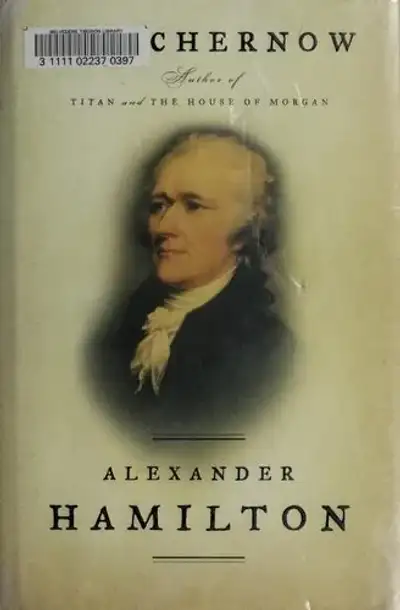
Alexander Hamilton
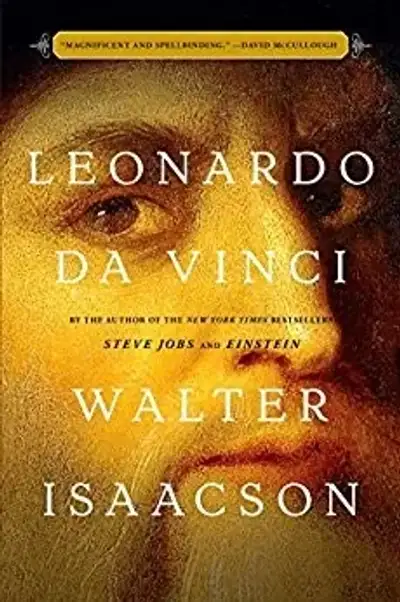
Leonardo da Vinci
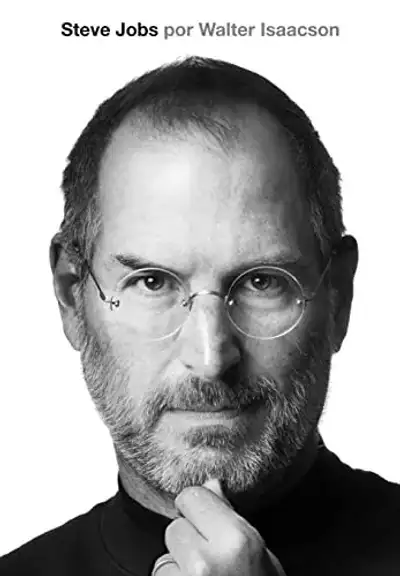
Steve Jobs
The Autobiography of Benjamin Franklin
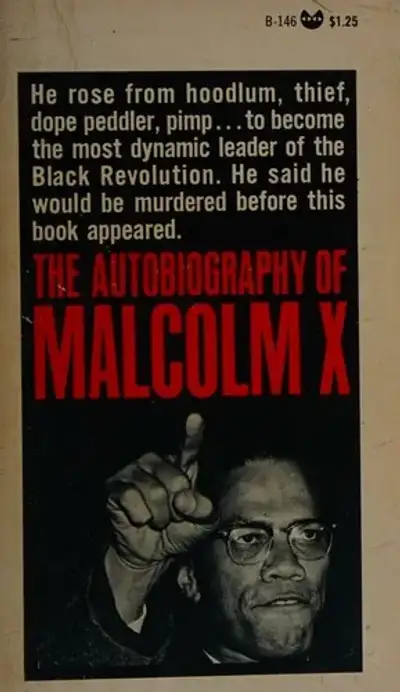
The Autobiography of Malcolm X
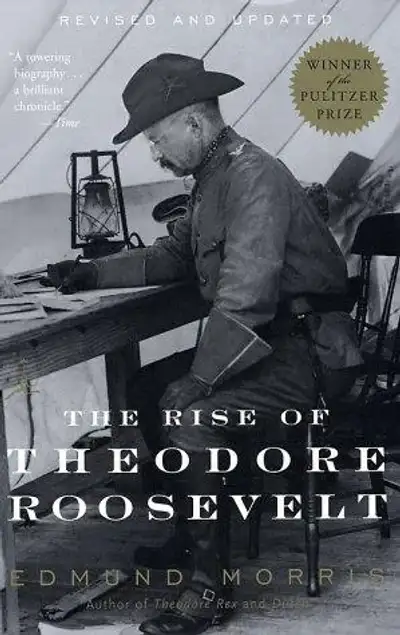
The rise of Theodore Roosevelt
Why We Built This Shelf
There is a specific pleasure in a great biography that no other form provides: the pleasure of watching a life assemble itself in real time. The novel gives you a character; the biography gives you a person - with a birth certificate, a chronology, a trail of decisions that can be checked against the record. The reader of a great biography finishes it feeling that they have lived a second life at one remove, and that the first life is somehow clearer for the comparison. We built this category for those readers, and for the readers who have not yet discovered that the right biography reads like the best novel you never knew was true.
The articles here come from the Worlds section, and they form a complete shelf on the theme. There are the starting points that define what makes a biography great and how to choose among the thousands available. There are the deeper shelves for adult readers who want the full form, and the family-friendly shelves for younger readers meeting real lives for the first time. And there are five author studies, following the theme through the biographers who made the form their craft - the writers who turned the gathering of a life into an art. Together they cover the theme from definition to masterpiece.
Starting With the Essentials
The natural entry point is A Thoughtful Guide to Biography Books, the article that does the definitional work: what biography is, how it differs from memoir and from history, and which biographies reward the reader most. It is the guide we point every new reader toward, because it settles the terms before the shelves open. If you want the fastest route into the form, Best Biography Books to Read is the curated starting point - the handful of lives that reward the reading most completely, ranked and explained so you can begin tonight.
From there the theme opens into two reading depths. Meaningful Biography Books for Adults is the shelf for the reader who wants the form at full strength - the long biographies that take a life seriously enough to spend a thousand pages on it, the lives that raise questions you will still be turning over months later. Family-Friendly Biography Books is its quieter sibling, built for younger readers: the lives told at the right height, the stories that show a child that history was made by people who started out small. And Biography Books: Themes, Values and Reading Notes ties the shelf together - the themes that recur across the great lives, the values they illustrate, and the reading notes that prepare you for the discussion.
The Five Biographers Who Made the Form Their Craft
The author studies are the heart of the category, because each one follows the theme through a biographer who raised the form to an art.
Best Books About Biographies by Walter Isaacson is where most readers should start. Isaacson is the biographer of the modern genius - Einstein, Jobs, Leonardo, Franklin - and his shelf is the study of the form at its most accessible and most illuminating: the biography that explains how an extraordinary mind worked without ever losing the person inside it. It is the study we point new readers toward first, because Isaacson demonstrates better than anyone that biography can be both serious and endlessly readable.
Best Books About Biographies by Robert Caro is the opposite pole and the necessary second read. Caro spent a lifetime on a single subject - Lyndon Johnson - in a biography so patient it became a study of power itself: where it comes from, how it is used, what it does to the people who hold it. His shelf is the biography as the slowest and most complete art form there is, and it is the study for the reader who wants to see a life examined with total seriousness.
Best Books About Biographies by Doris Kearns Goodwin brings the form to the presidency and to the human being inside the office - the leaders who grew under pressure, the marriages and friendships that carried them. Best Books About Biographies by David McCullough is the study of biography as story - the historian who wrote lives the way novelists write characters, making the past feel inhabited rather than excavated. And Best Books About Biographies by Antonia Fraser closes the shelf with the lives of queens and kings, the biography of power worn by people - the form’s reminder that even the most public life is still a private one. Five biographers, five methods, one shared craft.
What the Great Lives Have in Common
Read across the shelf and a pattern emerges that the individual studies do not reveal on their own. The first thing the great lives share is an accident - the biographers are unanimous that chance matters more than the subjects would like to admit, and the honest biographies are the ones that say so plainly. The second is a turning: every life on this shelf has a hinge, a moment when the person became who they would be, and the biographers’ craft is largely the craft of finding that hinge and making it visible. And the third is the least flattering and most useful: the great lives are not the smooth ones. The subjects of the best biographies fail, embarrass themselves, change their minds and hurt the people they loved - and the biographies that hide this are the ones that fail as biography. The form’s deepest claim is that a life is worth telling precisely because it is uneven, and that the reader learns more from the unevenness than from the triumph.
That is also what makes the category’s family shelf possible. The lives that children should meet are not the flawless ones but the ones that show how a person starts small, fails, persists and becomes - which is exactly the shape the best biographies give them. The form is the original self-help, older than the genre and harder to dismiss, because it never claims the outcome was guaranteed.
How to Read This Shelf
Every reader arrives at biography from a different life, and the category is built to honor that. If you are new to the form, the shortest path is the two-step entry: read A Thoughtful Guide to Biography Books to settle what makes a biography great, then Best Biography Books to Read for a ranked starting shelf you can begin tonight. Those two articles give you the criteria and the books; everything after that is depth.
If you are a reader who wants to understand a particular kind of life, the author studies are where the shelf becomes targeted. Want the life of the mind? Isaacson is your biographer - the genius explained without losing the person. Want power? Caro spent a lifetime on it and left the definitive study. Want the presidency? Goodwin. Want the past to feel inhabited? McCullough. Want the crowns? Fraser. Each study works alone, and each tells you which of the biographer’s books to begin with.
If you are choosing for a younger reader, the category is built for you too. Family-Friendly Biography Books gathers the lives told at the right height - the stories that show a child that history was made by people who started out small - and the discussion prompts in Biography Books: Themes, Values and Reading Notes work at the dinner table as well as in a classroom. The family shelf is not a watered-down version of the adult shelf; it is a different instrument for a different job.
And if you are a book club, the final article is your preparation kit. Biography Books: Themes, Values and Reading Notes turns the shelf into discussion material - the patterns across the great lives, the values they illustrate, the questions that will still be live when the evening ends. A biography is the ideal club pick because everyone can argue about the same real person.
The one rule that applies to every reader is this: do not read the category linearly. It is a map, not a course. Enter through whichever door matches your current question - the criteria, the starting shelf, the adult depth, the family shelf, the discussion notes, or one of the five biographers - and let the links carry you from there.
Why Every Article Matters
It would be easy to treat biography as a respectable corner of the library and move on. The articles in this category exist to resist that. Each one was written because a reader, somewhere, was about to miss something: the reader who thought biography was homework and needed to meet Isaacson, the reader who wanted to understand power and did not know that Caro had already done the work, the parent who wanted to give a child a real life to look up to and had no idea where to begin. The category catches those readers. It defines the terms before the shelves open, it ranks the books so you can start somewhere and end somewhere, and it separates the adult shelves from the family shelves so every reader finds the depth they are ready for.
That is also why the links matter as much as the prose. Every article points onward - to Scholars and Scientists, where the lives are the minds, to Historical Accuracy, which asks how faithfully the past is being told, and to Civilizations and Culture, where individual lives become the history of a people. The format categories carry the same books further: Books Like for the read-alike shelves and Best Books About for the curated starting points.
Where History and Character Meet
The biography category holds the books about the most reliable unit of history: the single life. The books on this page are the accounts of people who mattered - the leaders and the reformers, the artists and the inventors, the people who changed what was possible - told through the shape of a whole life. The category exists because the life is where history and character meet: the great events are lived by particular people, and the particular is where the truth is found.
The read-alikes are the heart of the category. The books they lead you to are the biographies that set the standard for the form: the lives that were researched for decades and written to last, the accounts of the founders and the presidents, the inventors and the explorers, the people whose stories changed how we understand their fields. The author studies show the biographers who made the form their life’s work - the writers who treated a single life as a subject worthy of a decade - and the guides give the subject its shape.
What a Good Biography Provides
A good biography provides something no other form can: the whole arc. The reader watches the subject from the beginning - the childhood that shaped them, the circumstances they did not choose - through the middle - the work, the struggles, the decisions - to the end, and in watching the arc, the reader understands something no single-event account can provide: how a person becomes who they are. That is the biographical insight, and it is the reason the category matters.
The biographies on this page also correct the myths. The subjects are not the simplified figures of legend; they are people with contradictions, failures, and moments of bad judgment, and the good biographies are honest about all of it. That honesty is what makes the books trustworthy and the lives instructive: a reader learns more from a flawed person who did great work than from a flawless legend, because the flawed person is the one whose path is actually repeatable. The category is built on that insight.
The Life as the Meeting Point of Every Shelf
Biography connects to the whole site. It connects to scholars-and-scientists, because the scientists are among the great biographical subjects. It connects to cultural-heritage and civilizations-and-culture, because the lives are how the civilizations are carried. It connects to ethical-leadership, because the leaders are among the lives, and to the virtue categories, because the lives are where the virtues are tested. Read the shelves together and the full picture emerges: biography is the human scale of every other category - the life is where history, character, and meaning all meet, and these books are where the meeting is recorded.
Choosing the Life to Read
Choose a life you have always wondered about - the leader, the inventor, the writer, the explorer - and read it properly, the way the form rewards: slowly, across the whole arc. When you finish, you will know something you did not know before, and it will be the most useful kind of knowledge: how a person becomes who they are, and what the becoming costs and pays. That is what the category offers, on every page.
Where This Category Lives
The Worlds section is the pillar behind this category - the site’s home for the books that take you somewhere else, whether that somewhere is a country, a century or a life. Browse the full section here. The theme continues across the site: Scholars and Scientists follows the lives of the minds, Medieval History and War and Peace show lives caught in vast events, and Travel and Discovery follows the lives that went looking. Wherever you land, the question is the one the best biographies keep answering: what does a life look like when it is told whole?
The category ends where the best biographies end: with the reader’s own life slightly clearer. That is the quiet promise of the form - that a life told whole, with its failures and its hinges and its ordinary hours, functions as a kind of mirror, and that the reader who has watched someone else assemble themselves is better equipped to assemble themselves. The books on this shelf are not escapism; they are equipment. They show the accident and the turning, the persistence and the cost, and they leave the reader with the form’s deepest lesson: a life is not a résumé but a story, and the telling is what gives it shape. The guides here are the equipment of that telling - the criteria that sort the great biographies from the hagiographies, the rankings that find you the right life for your season, the notes that prepare the discussion. Start with the biographer who matches your question, follow the links, and the form stops being a genre and starts being a mirror: the mirror that shows what a life looks like when it is told whole.
Read the Life That Reads You
The great biography is the novel that happens to be true - a life assembled in real time, with its hinges and its failures and its ordinary hours, and the reader finishes it feeling they have lived a second life at one remove. The shelves on this page are built for exactly that: the guides that rank the lives and the biographers who made the form their craft.
So choose your biographer. Isaacson for the great minds, Caro for the study of power, McCullough for the story - and read one life this month, slowly. The life told whole is a mirror, and the mirror is the point.
A life is not a résumé but a story. Read one told properly, and your own will look clearer.