Responsibility at Home: The Small Duties That Build Character
Why we built the Responsibility at Home category: the books about the small duties that make a home - and the character they build in the people who do them.
4 items in this category

No-drama discipline
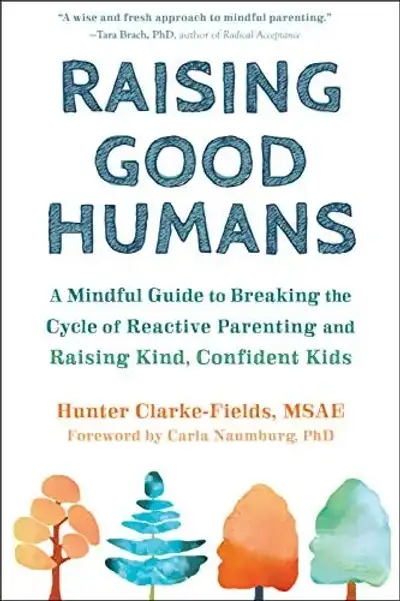
Raising Good Humans

The Life-Changing Magic of Tidying Up

The Swiss Family Robinson
The Small Duties That Make a Home
A home is not a place; it is a set of duties done by people who live there. The bed that is made, the dishes that are washed, the trash that is taken out, the meal that is cooked, the bill that is paid, the child that is put to bed - these are not the trivia of domestic life but its very substance: the repeated acts by which a group of people take care of each other and of the place they share. And responsibility at home is the first and most important school of responsibility there is, because it is where we learn - earlier than anywhere else - that the world does not run by itself, that others depend on us, and that we are capable of being depended on. The child who is given duties at home is not being burdened; they are being given the gift that the modern world withholds from so many: the experience of being needed.
We built this category because the small duties of the home are the most underrated school of character there is. The subject sits at the crossing of the two great institutions of human life - the family and the moral life - and the books argue that the crossing is not accidental: the home is where character is built, and responsibility is the brick. So we gathered the site’s articles on responsibility at home - the five-article set the Relationships section builds for each of its central themes - into a single shelf, for parents and adults alike.
What This Category Holds, and Why Each Article Matters
Best Responsibility at Home to Read is the curated starting point - the essential shelf, ranked and explained. A Thoughtful Guide to Responsibility at Home builds the framework: what responsibility is, why the home is its first school, and how it can be taught.
Meaningful Responsibility at Home for Adults takes the subject to the running of an actual household - the division of labor, the shared load, the dignity of the domestic work that keeps a family alive. Family-Friendly Responsibility at Home is the children’s angle - the clean, wholesome books that teach the next generation the joy of being needed. And Responsibility at Home: Themes, Values and Reading Notes is the reader’s companion, unpacking the themes and equipping the discussion.
Why the Home Is the First School of Character
The category’s central claim is that the home is where character is built, and that responsibility is the load-bearing wall. The virtues that the Growth section studies in the abstract - self-discipline, patience, diligence, integrity - are learned at the kitchen table in the concrete: the child who finishes the chore before the play learns self-discipline; the child who does the task well without being watched learns integrity; the child who does it every day learns reliability. The psychologists who study moral development have long known what the tradition always claimed: character is not formed by lectures but by practice, and the practice that forms it earliest and most reliably is the practice of taking care of things at home. The child who is never given responsibility learns a quieter and more damaging lesson: that they are not needed - that the household runs without them, and by extension that the world does not need them either.
The modern reluctance to give children responsibilities is well-intentioned and deeply misguided. The parent who does everything for the child - to spare them, to save time, to let them be children - is unintentionally teaching the child that they are incompetent and unnecessary, and the research bears this out: children with regular household responsibilities grow into more confident, more capable and more compassionate adults. The category’s counsel to parents is the counsel of the small and the consistent: give the child real duties, early and steadily, matched to their age - the toy put away at two, the table set at six, the laundry folded at ten, the meal cooked at fourteen - and let the duty be theirs, done well or imperfectly, with the praise aimed at the effort and the reliability rather than the perfection.
The Division of Labor and the Dignity of Domestic Work
The category’s second teaching is about the adults: that the running of a home is real work, that it must be shared, and that it has a dignity the modern world has too often denied it. The unpaid work of the home - the cooking, the cleaning, the planning, the emotional labor of remembering everyone’s needs - is the infrastructure on which every other achievement rests, and the books are frank that it is unequally distributed and chronically undervalued. The healthy household, in the category’s account, is not the household where the work is invisible but the household where it is named, shared and honored: the honest conversation about the division of labor, the fair distribution of the load, the gratitude expressed for the work that keeps the family alive.
This is where the category connects to the deepest themes of the Relationships section. Responsibility at home is not a domestic afterthought; it is the practice ground of respect, mutuality and love - the place where the members of a family show, daily and in the concrete, that they take care of each other. The books argue that the household is the first community, and that the person who has learned responsibility there - who knows how to carry a share of a shared load - is prepared for every other community life will offer: the workplace, the friendship, the marriage, the raising of the next generation. The chores are not the trivia; they are the curriculum. And the lesson compounds the way every habit does: the child who learns to carry a share at home carries a share everywhere - in the classroom, the workplace, the friendship, the marriage - and the adult who never learned it must learn it later, at greater cost. The kitchen table is the cheapest classroom in the world, and it is always open.
The Household as the First Community
The category’s deepest teaching is that the household is the first community - the model on which every later community is built. In the household the child learns the grammar of living with others: that the load is shared, that each person’s contribution matters, that the group is kept alive by the daily acts of its members. The child who learns this grammar at home carries it into every later setting - the workplace, the friendship, the marriage, the civic life - and the child who does not learn it must learn it later, at greater cost. The books in the category argue that the chores are not the trivia of domestic life but the curriculum of this first community: the setting of the table is the practice of contribution, the doing of the share is the practice of fairness, the finishing of the task is the practice of reliability, and the gratitude for the work of others is the practice of respect.
The community view also reframes the modern anxiety about household work. The parent who resents the domestic load, and the child who resists it, are both suffering from the same mistake: the belief that the work of the home is beneath us - the drudgery that interrupts the real life of achievement and leisure. The category’s answer is that the work of the home is not beneath the life; it is the life - the concrete form of taking care of the people we love - and the family that honors it, shares it and gives it to the children as a gift is the family that has understood the deepest thing the Relationships section teaches: that love is not a feeling but a set of practices, and the practices begin at the kitchen table. This is why the category sits beside the Family Values quintet and the Healthy Relationships quintet: the values are expressed in the duties, and the health of the family is measured, in large part, by how the load is shared.
The Joy of Being Needed
The category’s most counterintuitive teaching is also its most hopeful: responsibility is not a burden but a gift, and the deepest gift is the experience of being needed. The child who is given real duties learns that the household runs on their contribution - that their help matters, that their absence would be noticed, that they are capable of taking care of things and of others. The research and the books agree that this experience - the experience of being depended on - is one of the foundations of self-worth, because it is earned: the child who is praised for existing learns that they are lovable; the child who is depended on learns that they are capable, and the capable self is the confident self. The modern world, which gives the child everything and asks nothing, unintentionally withholds this gift; the family that asks something of the child - early, steadily, matched to their age - gives them the thing the world will not: the proof of their own usefulness.
This is why the family-friendly shelf matters as much as the adults shelf. The joy of being needed is learned young or learned late, and the stories in the category carry the lesson in the form a child can absorb: the characters who are given responsibilities, who rise to them, who discover that they are capable and needed. The child who reads those stories, and lives in a household that practices what they preach, enters adulthood with the foundation the books describe - and the family that reads together, and works together, has built the first community well. And the reading is itself a duty of a kind: the nightly chapter, kept by whoever is home, is one more small act that says the household runs on everyone’s contribution.
How to Use This Category
The five articles form a complete course: the best-of list to start, the guide for the framework, the adults angle for the running of the household, the family-friendly angle for the children, and the reading notes for the discussion. The Relationships section, the pillar behind this category, holds the full library of the site’s relationship reading.
The Undone Thing, and Who Does It
A home runs on a thousand small duties, and almost none of them are dramatic. The dishes, the errands, the remembering, the noticing - the work that has to be done and rarely gets thanked. The category of responsibility at home exists to take that work seriously: to say, in effect, that the small duties are not beneath attention, that they are in fact the load-bearing structure of family life. A household where everyone takes responsibility for the undone thing is a household that runs; a household where no one does is a household that runs on one exhausted person.
The books on this shelf are about that difference. The read-alikes and guides show families in both conditions - the household that works because the responsibility is shared, and the household that is quietly collapsing because it is not. The stories are not about chores; they are about what chores mean: that the people doing them are saying, without words, that the household and the people in it matter. Responsibility at home is love with its sleeves rolled up.
Responsibility as a Virtue, Not a Burden
The category makes a deliberate argument that responsibility is a virtue rather than a burden - that the person who can be relied on is not a martyr but a person of substance. The literature supports the argument. The characters in these books who carry the household’s weight are not pitied; they are the ones the other characters turn to, the ones who are trusted, the ones whose presence makes a room calmer. The novels show the quiet dignity of the person who does the undone thing, and they show the cost to everyone when no one will.
This is also where the category connects to the wider site. Responsibility at home is the domestic expression of the responsibility-and-duty category, which covers the larger obligations of adult life; the shelves share the same core virtue at different scales. It connects to the character category, because reliability is one of the character traits the whole site is built around. And it connects to the parents-and-children and family-values categories, because the household is where children learn responsibility - not from lectures, but from watching it practiced and being given their own share of it. The links on this page are the map of that mesh: responsibility is not a domestic topic, it is a life skill with a domestic classroom.
How the Shelf Helps
The guides on this page give the subject its shape; the read-alikes give it a body. The family-friendly shelf matters here in a specific way: it is how children meet the theme, through stories of kids who are given real responsibility and rise to it - the classic children’s literature territory of the child who becomes the reliable one. The meaningful shelf for adults goes deeper, because adult responsibility at home is heavier and less visible, and the books honor it. The themes-and-reading-notes article turns the whole shelf into conversation material, which is where the subject actually gets decided: who does what, who notices what, who the household can count on. Read the shelf, and then go do the undone thing. That is the whole argument, in action.
What the Reliable Person Gets Back
The category closes with an observation the books keep making and the culture keeps missing: the person who carries responsibility at home receives something in return, and it is not nothing. It is the trust of the people who live with them. The child who is given real responsibility and meets it learns that they are capable, which is the quiet foundation of confidence. The adult who is reliably there for the household earns a kind of security that no praise can buy - the knowledge that the people around them can count on them, and the ease that comes from living in a home that runs.
The books on this page show that reward without sentimentality. The reliable characters are not martyrs; they are the ones with the calmest lives, because they are not constantly negotiating about who will do the undone thing - they have simply decided, and the deciding removes a whole category of friction from daily life. That is the category’s final argument: responsibility at home is not a burden you accept for others. It is a gift you give yourself, in the form of a life that works.
Where This Category Lives
The Relationships section is the pillar behind this category - every article gathered here lives in it, and it holds the full library of the site’s relationship reading. Browse the section here. From there the same themes continue into the other sections - the duties under ordeal in Stories, the character the duties build in Growth, the duties as craft in Guides - and the category pages of the site gather those shelves by subject. The Family Values and Self-Discipline and Habits categories are the natural companions.
Read the Book That Makes the Household Work
Responsibility at home is the theme of the unglamorous hours - the chores kept, the promises to children kept, the small weights carried daily. The books on this page are the ones that treat that work as the real thing it is, and the guides are the map of the household as a place built by everyone in it.
Take the guide, then the shelf - and this week, read one book not to escape the household but to see it clearly. The household is not the thing keeping you from your life. It is your life, in its most daily form.
Carry the weight well, and the weight becomes the meaning. The books show you how.