Family Healing Books: When the Family That Wounds Can Still Heal
Why we built the Family Healing category: the books about the families that wound us, the forgiveness that frees us, and the healing that is still possible - gathered with care.
4 items in this category
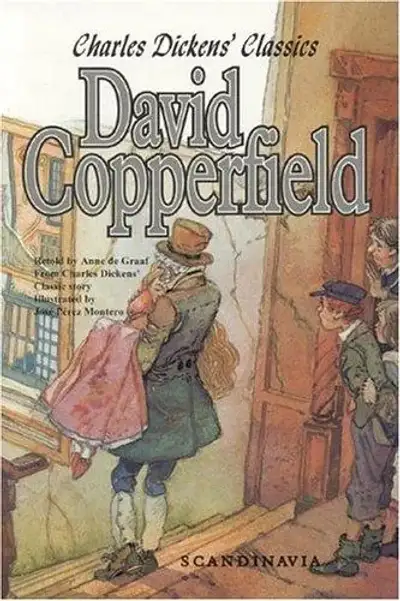
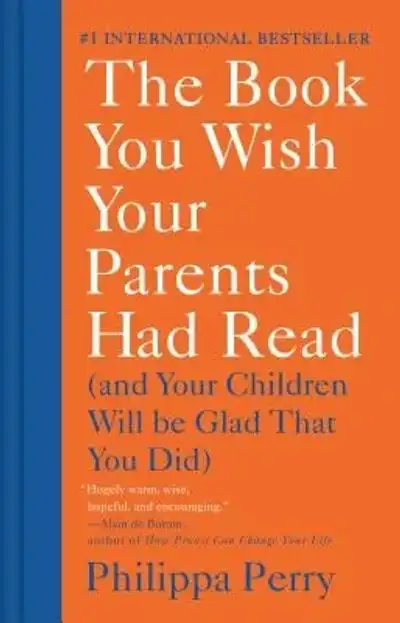
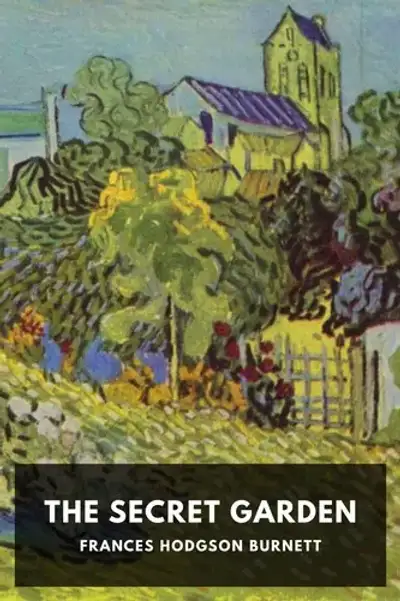
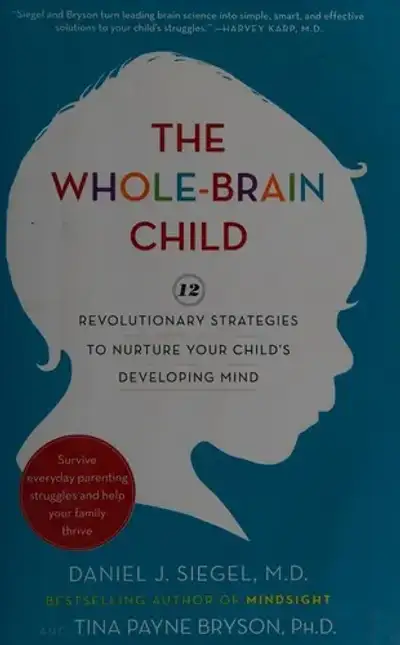
The Family That Wounds and the Family That Heals
Every family is a mixture of wound and gift, and the wound is not the whole story. The family is the first world we inhabit: the place where we learn whether the world is safe, whether our feelings matter, whether we are loved for ourselves or only for our performance. When the family does that work well, it produces the person who can trust, attach and thrive. When it does it badly - through neglect, criticism, control, abandonment or violence - it produces the wound: the voice inside that says we are not enough, that love is conditional, that we must earn our place. The books in this category are about that wound and the healing that is possible after it. They are honest that the wound is real and that some families cannot be fixed from the inside, and they are equally honest that the wounded person is not condemned to remain wounded - that healing, forgiveness and a different future are genuinely possible.
We built this category because family healing is the subject our readers carry most privately and ask about least often - and the books deserve better than silence. It is a delicate subject, because it touches the most intimate griefs, and we wanted the shelf to treat it with the care it deserves: the books here do not pretend that healing is quick or that forgiveness is owed, and they do not pretend that the wound defines the person. So we gathered the site’s articles on family healing - the five-article set the Relationships section builds for each of its central themes - into a single place, as the companions for a healing that is the work of a lifetime.
What This Category Holds, and Why Each Article Matters
Best Family Healing to Read is the curated starting point - the essential shelf, ranked and explained. A Thoughtful Guide to Family Healing builds the framework: what family wounds are, how they are carried, and what healing actually requires.
Meaningful Family Healing for Adults takes the subject to the stage of life where the work becomes deliberate - the adult years when we can finally see our family clearly and choose what to keep, what to forgive and what to leave behind. Family-Friendly Family Healing is the gentler angle - the clean, wholesome books that help children understand difficult family realities without being overwhelmed by them. And Family Healing: Themes, Values and Reading Notes is the reader’s companion, unpacking the themes and equipping the discussion.
How Wounds Are Carried
The category’s first teaching is that family wounds are carried in the body and the habits long after the events that caused them. The child who learned that anger was dangerous becomes the adult who cannot express anger; the child who learned that feelings were a burden becomes the adult who cannot ask for help; the child who learned that love was conditional becomes the adult who cannot believe they are loved. The wound is not the event but the lesson the event taught - and the lesson keeps operating automatically, beneath awareness, until it is brought into the light. This is why the books insist that healing begins with naming: the recognition that the pattern exists, that it came from somewhere, that it is not the whole truth about who we are. The family that wounded us taught us a story about ourselves; the healing is the writing of a truer story.
The naming is difficult work, and the category does not pretend otherwise. It requires the courage to look at the family without idealization - to see the good and the harmful at once - and the honesty to own our own part in the patterns we repeat. The books are careful to distinguish the work of understanding from the work of blame: understanding why a parent wounded us is not the same as excusing them, and naming the harm is not the same as refusing the love. The healing is the integration - the capacity to hold the whole truth: that the family was both gift and wound, that the parent was both wounded and wounding, that we can love what was good in them while protecting ourselves from what was not.
Forgiveness, Boundaries and the New Shape of Family
The category’s second teaching is that healing runs through two practices that must be kept in the right order: boundaries first, forgiveness when it is ready. Boundaries are the protective work - the clear limits that stop the wound from being reopened: the visit that is shorter, the topic that is off-limits, the distance that is chosen rather than suffered. The books are emphatic that boundaries are not the failure of love but its protection - that the person who cannot set a boundary cannot love freely, because every contact is contaminated by fear. Forgiveness is the freeing work - the release of the claim that the wound must be repaid - and the category is equally emphatic that forgiveness is not owed, not quick, and not the same as reconciliation. Forgiveness can be real while the relationship remains distant; reconciliation requires the safety that only the other person’s change can provide.
Beyond the practices lies the larger truth: that the family we were given is not the only family available. The category’s books on healing keep returning to the chosen family - the friends, the partner, the community, the children we raise differently - as the place where the wound is not repeated but repaired. The person who heals their family wound does not only free themselves; they break the transmission of the wound to the next generation, and they build, out of the ruins of the first family, a family that heals. This is why the category connects so naturally to the Growth virtues - the courage to look, the forgiveness that frees, the patience that the long work requires - and to the Friendship and Loyalty category, where the chosen family has its own literature.
Healing Across Generations
The deepest teaching of the category is that family healing is never only personal - it is generational. The wound was not invented by the person who carries it; it was inherited, passed down through the generations as surely as eye color, in the form of the patterns: the anger, the silence, the criticism, the abandonment, each generation teaching the next the lesson it learned from the one before. This is why the work of healing is so important and why it is so hard: the person who heals is not only freeing themselves but breaking the chain - stopping the transmission of the wound to the children and the grandchildren, and giving the next generation a family that does not wound. The books in the category are honest about the weight of this inheritance and hopeful about the possibility of breaking it: the pattern was learned, and what was learned can be unlearned - in a lifetime, with help, with the deliberate work that the books describe.
The generational view also corrects a common misunderstanding of family healing. The work is often imagined as the confrontation - the scene, the accusation, the reckoning - and the books are careful to say that the confrontation is not the healing but sometimes its enemy. The healing is quieter and longer: it is the understanding of where the pattern came from, the compassion for the wounded parent who wounded us, the boundaries that stop the repetition, and the deliberate building of a different kind of family - the family we choose, and the children we raise differently. The person who heals is not the person who wins the argument with their parents; they are the person who stops the argument from being inherited. This is why the category connects so naturally to the Growth virtues: the courage to look at the family without idealization, the forgiveness that frees us from the claim of the wound, and the patience that the long work requires - and why the chosen family has its own literature in the Friendship and Loyalty category, as the place where the wound is not repeated but repaired.
The Stories That Help Us Heal
The books in this category heal in a way that only stories can: by showing the reader that they are not alone. The person carrying a family wound often believes that their family is uniquely broken - that the shame, the secrecy and the confusion are theirs alone. The novel and the memoir break the isolation: the reader meets characters carrying versions of their own wound, watches them struggle, and watches them find - or fail to find - the healing, and in the meeting something shifts. The research on narrative is emphatic about why this works: the story offers the distance that lets us see our own life clearly, the company that lets us feel it less alone, and the model that lets us imagine the outcome we could not imagine for ourselves. The category’s family-friendly shelf carries the same gift to children: the stories that help the young reader name their feelings and understand, without being overwhelmed, that families are complicated and that the wound does not define them.
This is the deeper reason the category is built as a quintet rather than a single list: the healing needs the whole course. The best-of list finds the books; the guide builds the framework; the adults article takes the work where it must be done; the family-friendly shelf brings it to the children; and the reading notes make the discussion possible - because healing, like the wound itself, is carried in language, and the naming of the pattern in the company of others is already the beginning of the change. It is a beginning that can happen tonight, with one book.
How to Use This Category
The five articles form a complete course: the best-of list to start, the guide for the framework, the adults angle for the deliberate work, the family-friendly angle for the children, and the reading notes for the discussion. The Relationships section, the pillar behind this category, holds the full library of the site’s relationship reading.
The Wound Every Family Carries Somewhere
Every family has a wound somewhere - a rift that never fully closed, a subject that is never discussed, a name that is never spoken. The category of family healing exists because that wound is more common than the intact family of the cultural imagination, and because the wound does not heal by being ignored. The books gathered here are about families that are doing the harder work: naming the wound, facing what caused it, and attempting the repair. They are not comfort books, exactly. They are books that take the reader seriously enough to show the work.
The read-alikes on this page are the heart of the category. The novels and memoirs they lead you to are about families in every stage of the process - families that have just discovered the wound, families that have been living with it for decades, families that have attempted the repair and failed, families that have attempted it and succeeded at something smaller than they hoped but real. The stories are not formulaic, which is exactly why they work: healing is not a formula, and the books honor its particularity.
The Stages the Stories Keep Returning To
Certain stages recur across the shelf, and naming them gives the category its shape. The first is recognition: the moment the family stops pretending the wound does not exist. The second is history: the work of understanding how the wound happened, which usually means hearing the parents’ story in a way no one has ever heard it before. The third is confrontation: the difficult conversations, the apologies that are long overdue, the truths that have been waiting decades to be spoken. The fourth is repair - and the books are honest that repair is not the same as erasure. The family does not become the family it would have been without the wound; it becomes a family that has faced the wound together, and that is a different and often deeper thing.
The author studies on this shelf show writers who have mapped these stages across different families, eras and cultures. The themes-and-reading-notes article turns the whole shelf into material for the conversation every wounded family needs and almost no one knows how to start. The family-friendly shelf brings the theme to younger readers, because children are often the ones who feel the wound without understanding it, and the books give them a way to see that they are not the cause. The meaningful shelf for adults goes deepest, because the hardest healing often happens in adulthood, when the child who was wounded becomes the adult who chooses to do something about it.
The Category’s Honest Promise
The family-healing shelf does not promise happy endings, because that would be a lie and the books would not survive it. What it promises is something more valuable: that the wound is not the whole story, that other families have faced similar rifts and found their way to something livable, and that the repair - partial, imperfect, late as it may be - is still worth attempting. The books are company for the attempt. They show the reader what the work looks like, what it costs, and what is on the other side of it. That is the most honest help a shelf can offer a family that needs healing: not the promise of a perfect family, but the proof that the imperfect repair is possible.
Where the Repair Connects on This Site
The family-healing shelf connects to the rest of the site in ways worth using. The family-values category shows what families are trying to stand for; this category shows what happens when the standing for it goes wrong and the repair begins. The parents-and-children and sibling-relationships shelves hold the specific relationships that most often carry the wound; this shelf holds the family as a whole, the system that must heal together or not at all. And the forgiveness-and-redemption category is the natural next step, because family healing almost always involves forgiveness, and the books on that shelf show the practice in its full difficulty.
Reading the shelves together gives the complete picture: what families aim for, where they break, how the break is carried by particular relationships, and what the repair costs and requires. No single page holds the whole story. The links are the way through, and they are worth following - the subject of family healing is too important, and too specific to each family, to be contained in one shelf.
Where This Category Lives
The Relationships section is the pillar behind this category - every article gathered here lives in it, and it holds the full library of the site’s relationship reading. Browse the section here. From there the same themes continue into the other sections - the wound and the healing in Stories, the virtues that sustain the work in Growth, the healing as craft in Guides - and the category pages of the site gather those shelves by subject. The Family Values, Parents and Children and Forgiveness and Redemption categories are the natural companions.
The Books That Know What Your Family Has Been Through
Family healing is the theme nobody puts on the reading list and everybody needs - the repair of the bonds that broke, the conversations that never happened, the forgiveness that is still waiting. The books on this page are the ones that have helped readers start that work, and they are gathered here so you do not have to search alone.
Start gently. The guide will frame the territory; the shelf will hand you the first book. Read it this week, and let it open the conversation you have been postponing - the book can say what the family has not been able to.
The healing does not start with the perfect speech. It starts with one honest book.