Healthy Relationships Books: The Relationships That Build You Up
Why we built the Healthy Relationships category: the books about the relationships that build us up - and the daily practices - communication, boundaries, repair - that keep them healthy.
7 items in this category
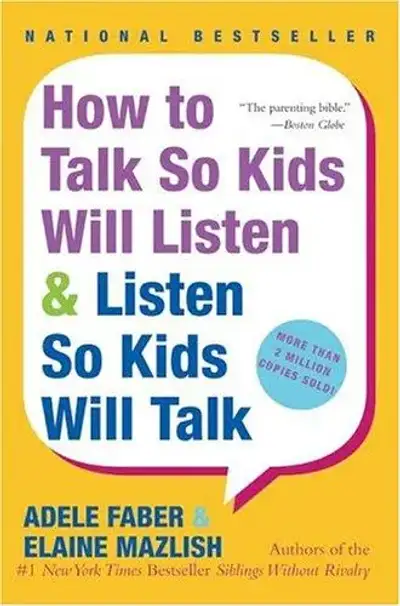
How to talk so kids will listen & listen so kids will talk

How to Win Friends and Influence People
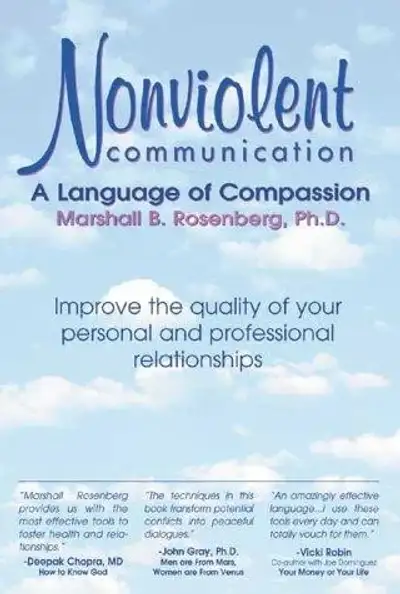
Nonviolent Communication

The 5 Love Languages Singles Edition
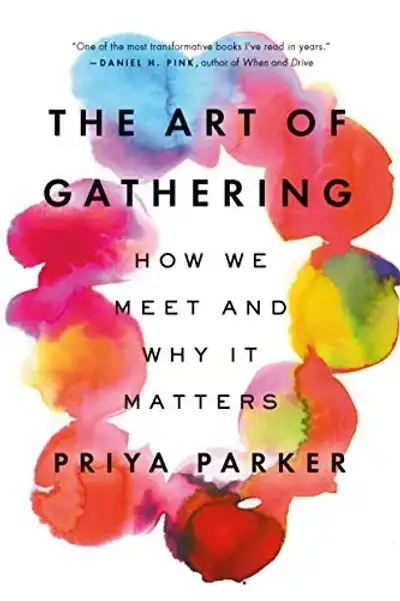
The Art of Gathering
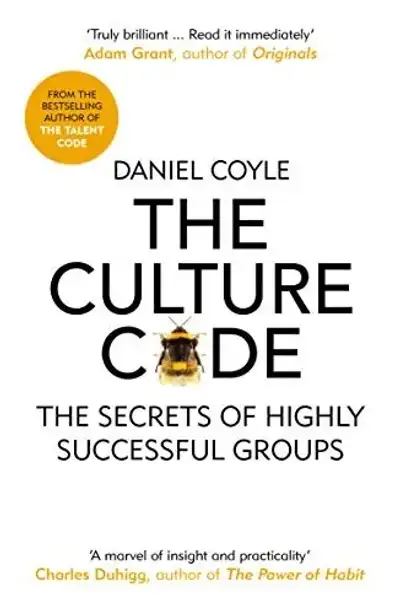
The culture code
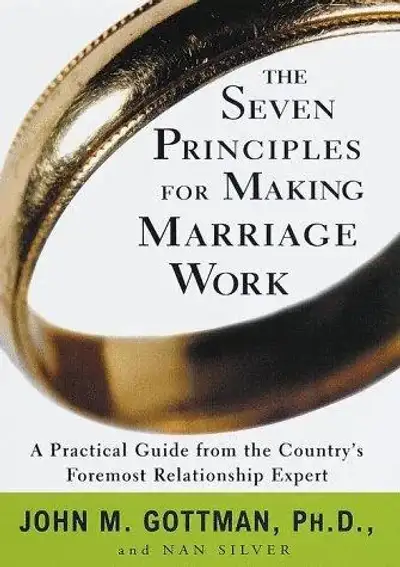
The seven principles for making marriage work
The Relationships That Build Us Up
We are shaped by our relationships - not only in childhood, where the shaping is obvious, but across the whole of life. The people we live with, work with and love are constantly influencing our moods, our self-conception, our decisions and our health, and the influence runs in both directions: some relationships build us up, and some wear us down. The distinction between the two is the subject of this category. A healthy relationship is not a flawless one - no relationship is flawless - but one in which the building outweighs the wearing: in which the people involved feel, most of the time, more seen, more supported and more themselves than they would be alone.
We built this category because the research is unambiguous - the quality of our relationships is the single strongest predictor of health and happiness there is - and yet the subject is rarely treated with the seriousness it deserves. So we gathered the site’s articles on healthy relationships - the five-article set the Relationships section builds for each of its central themes - into a single course that draws on the research (the science of what makes relationships flourish), the practice (communication, boundaries, repair) and the wisdom of the tradition, with all three brought together in five articles.
What This Category Holds, and Why Each Article Matters
Best Healthy Relationships to Read is the curated starting point - the essential shelf, ranked and explained. A Thoughtful Guide to Healthy Relationships builds the framework: what health looks like in a relationship, what undermines it, and how it can be maintained.
Meaningful Healthy Relationships for Adults takes the subject to the settings where the health of relationships is most tested - the workplace, the family, the long-term partnership - and the practices that keep them sound. Family-Friendly Healthy Relationships is the children’s angle - the clean, wholesome books that show the next generation what healthy relating looks like from the inside. And Healthy Relationships: Themes, Values and Reading Notes is the reader’s companion, unpacking the themes and equipping the discussion.
The Markers of a Healthy Relationship
The books in the category converge on a set of markers that distinguish the relationships that build from the ones that wear. The first is safety: in a healthy relationship, you can say what you think and feel without fear of punishment, mockery or abandonment. The second is respect: the people involved treat each other’s boundaries, time, opinions and dignity as real, even in disagreement. The third is repair: the relationship is not defined by the absence of conflict but by the capacity to recover from it - the apology, the reconnection, the lesson learned. The fourth is mutuality: the giving runs in both directions, not as a ledger but as a rhythm, with each person feeling that the other is as invested as they are. The fifth is growth: the relationship makes both people more, not less - more honest, more capable, more themselves.
The absence of these markers is the warning sign, and the books are honest about the patterns that indicate trouble: the relationship that is chronically unsafe, the respect that is absent in disagreement, the repair that never comes, the giving that runs one way, the growth that has stopped. The value of naming the markers is that they give the reader a vocabulary - the vocabulary of the healthy relationship - which is the first tool for building one.
Communication, Boundaries and Repair
The category’s practical teaching comes down to three practices, and each has its own literature within the shelves. Communication is the daily practice: the listening without interruption, the speaking without contempt, the naming of feelings and needs rather than the acting of them. The research on couples is emphatic that contempt is the strongest predictor of relationship failure, and that its opposite - the respectful hearing of the other - is the strongest predictor of success. Boundaries are the structural practice: the clear, kind limits that protect each person’s time, energy and dignity, and that paradoxically make closeness possible by making safety reliable. Repair is the recovery practice: the willingness to own the rupture, apologize for it and rebuild, which the research shows matters more than the avoidance of conflict.
These three practices are the whole of the category’s practical curriculum, and they are teachable, testable and trainable. The books supply the theory and the stories; the practices supply the daily shape. And the family-friendly shelf carries all three to children in the form they can absorb - the clean, wholesome stories of characters who communicate, set boundaries and repair, so that the vocabulary of the healthy relationship is in place before it is needed.
How to Use This Category
The five articles form a complete course: the best-of list to start, the guide for the framework, the adults angle for the settings where health is tested, the family-friendly angle for the children, and the reading notes for the discussion. The Relationships section, the pillar behind this category, holds the full library of the site’s relationship reading.
What the Research Actually Shows
The science of relationships is one of the most replicated bodies of research in psychology, and its findings underwrite the category’s practical teaching. The first finding is about the stakes: the quality of our relationships is the single strongest predictor of health and longevity that research has identified - stronger than diet, exercise or cholesterol - and the effect runs in both directions, with chronically conflicted relationships damaging health the way chronic illness does. The second finding is about contempt: the studies of couples, most famously the work of John Gottman, can predict divorce with striking accuracy from the presence of contempt - the eye-roll, the mockery, the superiority - which is why the category’s books on communication treat the elimination of contempt as the first work of a healthy relationship. The third finding is about repair: the research shows that what distinguishes the lasting relationship is not the absence of conflict - every relationship has conflict - but the capacity to repair, with the successful repair attempts outnumbering the failures by a reliable margin.
The fourth finding is about the ratio: the research suggests that healthy relationships run on a ratio of roughly five positive interactions to every negative one, not because the negatives are absent but because they are absorbed - the criticism delivered with respect, the argument followed by the reconnection. The books translate the finding into practice: build the reservoir of positive regard in the good times, so that the inevitable hard times are drawn against a surplus rather than a deficit. The science does not replace the tradition; it confirms it. The research on contempt is the modern confirmation of the ancient counsel to speak the truth in love, and the research on repair is the confirmation of the ancient practice of forgiveness. The science gives the tradition its evidence, and the tradition gives the science its depth - and the reader who holds both has the fullest picture of what makes love last.
Relationships Across the Lifespan
A healthy relationship is not a single achievement but a series of renegotiations, because the people in the relationship keep changing. The category’s books map the stages: the young partnership, where the work is the founding of the patterns - the communication, the boundaries, the repair - that the whole future will run on; the middle years, where the work is the maintenance under load - the careers, the children, the fatigue - and the relationship must be deliberately tended or quietly starves; and the later years, where the work is the companionship - the friendship the partnership becomes when the projects are done and the two people are left with each other. Each stage has its own risks: the young partnership dies of unmet expectations, the middle partnership of neglect, the later partnership of accumulated grievance. Each stage also has its own practice: the founding of patterns, the deliberate tending, the settling of accounts.
The lifespan view explains why the family-friendly shelf matters as much as the adults shelf. The patterns of the young partnership are learned long before the partnership begins - in the family, in the friendships, in the stories - which is why teaching children the vocabulary of the healthy relationship is the most efficient investment a parent can make in their future relationships. The child who learns to name feelings, set a boundary and repair a rupture has a head start that no adult course can match. The books in this category serve the whole lifespan: the stories for the child, the guides for the adult, and the reading notes for the family that wants to learn together.
The Four Practices That Show Up Again and Again
It helps to be concrete, because “healthy relationships” can sound like a slogan until a book gives it a body. The shelves in this category keep coming back to the same handful of practices, and naming them is the first step to noticing them in your own life.
The first is repair. Every relationship that lasts has moments where someone gets hurt, says the wrong thing, or lets a hard day leak into the evening. The couples and families in these books are not the ones who never wound each other; they are the ones who know how to come back. Repair is a skill with a shape: acknowledging the hurt without explaining it away, listening long enough to actually hear the other version, and then doing something different next time. The novels show it better than any manual, because they show the cost of skipping the step.
The second is boundaries, which the popular imagination usually gets wrong. Boundaries are not walls you build against other people; they are descriptions of what you need in order to stay generous. A person with clear boundaries can say yes wholeheartedly and no without guilt, because they are not secretly accumulating resentment. The books in this category - from the guides on the practice to the novels where a character finally learns to speak up - treat boundaries as an act of care for the relationship itself, not a withdrawal from it.
The third is curiosity. The couples who stay interested in each other are the ones who keep asking questions, who treat the person across the table as someone still capable of surprise. The moment a relationship stops being curious, it becomes a habit - two people performing roles instead of meeting each other. Several of the read-alikes on this shelf are essentially studies of what happens when curiosity survives decades, and what happens when it dies.
The fourth is generosity of interpretation. Every relationship offers a daily choice about how to read the other person’s behavior: as an attack or as a stumble, as indifference or as exhaustion. The people in these books who keep their relationships healthy are the ones who consistently choose the kinder reading when the evidence is ambiguous - and then check it, rather than assume it.
None of this is glamorous, which is exactly why the shelves matter. A book can make the unglamorous work of love feel honorable instead of tedious, and that reframing is the category’s real gift. Read the guides when you want the practices named; read the novels when you need to see them under pressure. Both are on this page, and both point to the same conclusion: healthy relationships are not found, they are built - a repair, a boundary, a question, a generous reading at a time.
Who This Shelf Is For
This category serves three kinds of readers, and it is worth knowing which one you are before you start. The first is the reader in the middle of a relationship that is mostly good and wants it to stay that way - the guides are your entry point, and the read-alikes give you stories that mirror your own enough to feel seen and different enough to teach. The second is the reader who has just been through a rupture - a betrayal, a distance, a breakup that came from nowhere - and needs to understand what happened before deciding what comes next. For you, the novels matter more than the manuals, because they show the mechanics of failure with the compassion that real life rarely offers in the moment. The third is the professional reader - the counselor, the teacher, the friend who is always the one people call - who wants vocabulary and frameworks to carry into their own work.
Whatever your entry point, the rule is the same: do not read the category in order. Enter through the door that matches your current question, follow the links where they lead, and let the shelf reorganize itself around what you actually need. The mesh of guides, read-alikes and deep dives is designed so that every path crosses the others eventually.
What This Category Does Not Promise
Honesty about limits is part of what makes this shelf trustworthy. These books will not fix a relationship by themselves - reading about communication is not the same as doing it, and no novel has ever replaced a difficult conversation. What the shelf can do is prepare you: give you the words, the examples, the courage to start the conversation with less fear. It can also tell you the truth the culture often hides, which is that some relationships should not be saved, and that ending one well is also a relationship skill. The healthiest readers of this category are the ones who use it as a mirror rather than a manual - who let the books show them what they already knew, and then go do the work.
The Novels Readers Keep Passing to Each Other
Some of the shelves on this page have a track record worth knowing about. The read-alikes gathered here are not random picks; they are the novels that readers keep reporting back on, the ones that get passed from friend to friend with the words “this is us” attached. That is the sign of a relationship book that actually works: it names the experience so precisely that readers feel recognized rather than lectured. When a couple reads the same novel and each finds themselves in a different character, the conversation that follows is worth more than a month of advice. The category was built with that conversation in mind - the books are chosen to be discussed, not just consumed.
A Note on the Guides vs. the Novels
The guides on this page (the thoughtful guide, the best-books list, the themes-and-reading-notes article) are the fastest route to the subject’s shape. They are written for the reader who wants to understand healthy relationships as a topic: what the practices are, which books carry them, how the shelves fit together. The novels are the slower, deeper route. They are written for the reader who wants to feel the subject from inside. Neither route is better; they serve different moments. Many readers use the guides to choose their next novel, and the novels to test what the guides claim. That loop - read a little theory, then a story, then back to the theory with sharper eyes - is exactly how the category is designed to be used, and it is why the links between the two kinds of pages matter as much as the pages themselves.
Where This Category Lives
The Relationships section is the pillar behind this category - every article gathered here lives in it, and it holds the full library of the site’s relationship reading. Browse the section here. From there the same themes continue into the other sections - the healthy bond under ordeal in Stories, the virtues that keep it sound in Growth, the relating as craft in Guides - and the category pages of the site gather those shelves by subject. The Respect and Manners and Friendship and Loyalty categories are the natural companions.
Read the Book That Names What You Knew
Healthy relationships are built on patterns most of us can feel but cannot name - and the books on this page are the naming: the guides and the shelves that show what respect, trust and repair actually look like in practice. If a relationship in your life feels off and you cannot say why, these books are the vocabulary.
Start with the guide, then the shelf - and read this week with the specific question in mind: which pattern in this book is showing up in my life? The book will do the naming; you do the applying.
The relationship you have is the one you are practicing. These books show you the practice.